Picking
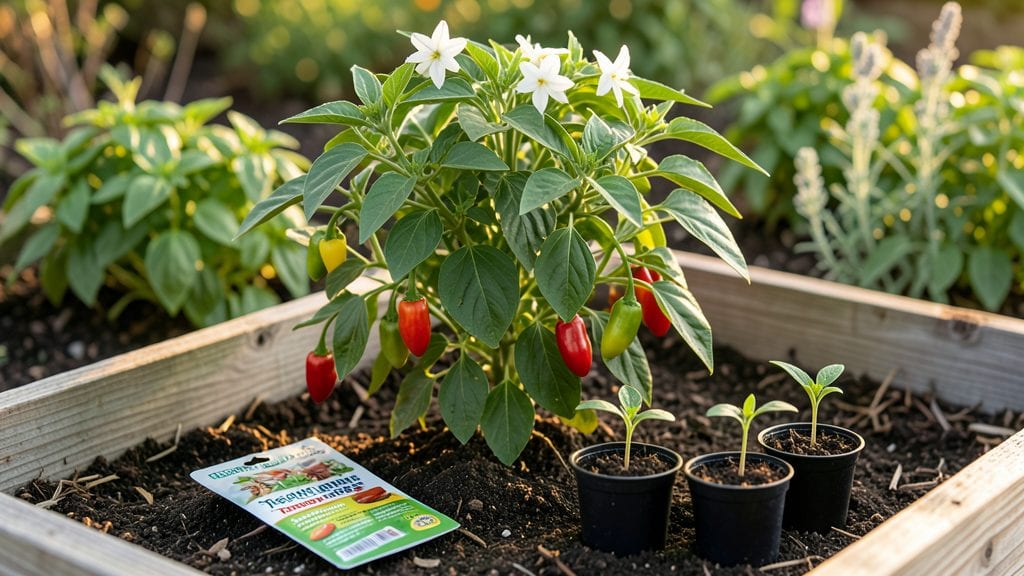
Growing teardrop peppers from seeds delivers a fiery payoff that rivals any store-bought chili. 🌱 I’ve grown these tiny but mighty peppers for three seasons now, and the secret to their bold heat lies in the details—starting with the right seed variety and a little patience.
These peppers pack a punch in a 1-inch package, but they demand consistent care to thrive.
The process starts with well-draining soil and a warm spot, whether that’s a sunny windowsill or a greenhouse. Teardrop peppers need 6-8 hours of sunlight daily, and their shallow roots prefer moist (not soggy) soil.
Most beginners struggle with germination—it can take 10-14 days for those first green shoots, so don’t give up too soon. Once they sprout, they grow fast, reaching harvest size in about 75 days from seed.
By midsummer, you’ll be snipping clusters of bright red or yellow peppers, each one packed with 2,500-5,000 Scoville heat units. The flavor is smoky and slightly sweet, perfect for drying into flakes or fresh salsas.
Even if pests or weather throw a curveball, these peppers bounce back—just watch for aphids and keep them well-watered during dry spells.
Whether you’re a first-time grower or a seasoned chili enthusiast, teardrop peppers reward attention with a harvest that’s shockingly productive. Start seeds indoors in early spring, and by late summer, you’ll have enough peppers to share—or challenge friends to a heat-eating contest. Let’s get those seeds planted!
📚 In This Guide
- What you need
- Instructions
- Tips and common mistakes
- Wrapping up and next steps
What you need
- ● Teardrop pepper seeds – Purchase from a reputable seed supplier (e.g., 10-20 seeds for a small harvest or 50+ seeds for a larger yield). Look for heirloom or hybrid varieties like 'Tear Drop' or 'Bhut Jolokia' for maximum heat!
- ● Containers or garden beds – Seed trays or pots (3-4 inches deep) with drainage holes (5-10 containers, depending on seed quantity).
- ● Garden soil or potting mix – Use a well-draining, sterile mix (e.g., 50% peat moss, 30% perlite, 20% compost). Avoid garden soil with pests or diseases.
- ● Grow lights or sunny location – Teardrop peppers thrive in 6-8 hours of direct sunlight daily. Use a full-spectrum LED grow light (e.g., 12-15W bulb) if starting indoors.
- ● Watering can or spray bottle – Keep soil consistently moist but not soggy. A mist spray bottle works well for seedlings.
- ● Fertilizer – A balanced, organic fertilizer (e.g., 10-10-10 or fish emulsion) to nourish plants as they grow. Start with ½ teaspoon per gallon of water every 2-3 weeks.
- ○ Support structures (optional but recommended) – Cages or stakes (5-6 feet tall) to support vining plants as they mature.
- ● Trellis or netting for vertical gardening (saves space and improves airflow!).
- ● Seedling heat mat – Keeps soil warm (70-85°F) for faster germination (especially useful in cooler climates).
- ● pH testing kit – Teardrop peppers prefer soil pH 6.0-7.0. Adjust with lime or sulfur if needed.
- ● Compost or worm castings – Boosts soil fertility and reduces the need for synthetic fertilizers.
- ● Pruning shears – For trimming leggy plants or deadheading spent flowers to encourage more peppers.
- ● Glove and safety goggles – Teardrop peppers can be extremely spicy! Protect your hands and eyes when handling ripe peppers.
Step-by-Step instructions for growing teardrop peppers from seeds
Here's how to grow fiery teardrop peppers from seed—no fancy gear needed, just patience and the right timing.
🌱 Step 1: Start Seeds Indoors 8-10 Weeks Before Last Frost
Fill your 4-inch seed-starting pots with sterile seed-starting mix—pack it lightly but firmly so it stays in place when watered. Teardrop pepper seeds need warmth to germinate, so place the pots on a seedling heat mat set to 75-85°F. Moisten the soil until damp but not soggy, then press 1-2 seeds per pot just below the surface—about ¼ inch deep. Cover lightly with more mix.
I like to label each pot immediately since teardrop peppers mature unevenly. Mist the surface with water until evenly damp, then cover with a clear plastic dome to trap warmth and moisture. Keep the soil consistently moist (not wet) until germination, which typically takes 7-14 days. If condensation forms on the dome, lift it briefly to air out the seedlings.
☀️ Step 2: Provide Bright Light and Prevent Legginess
Once sprouts emerge, remove the dome and move pots to a south-facing window or under grow lights for 14-16 hours daily. Teardrop peppers grow leggy fast if light is weak—you’ll spot this as thin, stretched stems with leaves spaced far apart. Keep lights 2-4 inches above seedlings and raise them as plants grow to maintain that gap.
Rotate pots quarter-turn daily so plants grow straight instead of leaning. When seedlings have 2-3 true leaves (not the initial seed leaves), fertilize lightly with half-strength liquid fertilizer to encourage sturdy growth. Avoid overwatering now—let the top inch of soil dry between waterings to prevent damping-off.
🪴 Step 3: Harden Off and Transplant After Frost
About 2 weeks before last frost, start hardening off seedlings by placing them outside in partial shade for 1-2 hours the first day. Gradually increase outdoor time by 1 hour daily until they’re out all day. Choose a sunny, sheltered spot in your garden with well-draining soil—teardrop peppers hate soggy roots.
Transplant after all frost risk has passed, spacing plants 18 inches apart in rows 24 inches apart. Dig holes slightly deeper than the root ball to encourage strong root growth. Water deeply at planting to settle soil around roots, then mulch with 1-2 inches of organic mulch to retain moisture and suppress weeds. Teardrop peppers thrive in full sun (6+ hours daily) and warm soil (70°F+).
✂️ Step 4: Prune and Support for Maximum Heat
Once plants reach 12-18 inches tall, pinch off the main stem’s tip to encourage bushier growth. Remove any suckers (side shoots) that form in the leaf axils unless you’re growing for extra peppers—teardrop peppers produce heat best when focused on fewer, larger fruits. Stake taller plants with bamboo stakes or use cages to prevent stems from snapping under fruit weight.
Fertilize every 2-3 weeks with a balanced fertilizer (10-10-10) once flowers appear. Water at the base deeply but infrequently—let soil dry 1-2 inches down between waterings to concentrate flavor. Harvest peppers when they’re 1-2 inches long and bright red for peak heat and sweetness.
Tips & tricks for perfect teardrop pepper growth
Growing fiery teardrop peppers from seed rewards patience with bold flavors—here's how to maximize your harvest while avoiding common pitfalls.
Heat Mat Precision: That 75-85°F range on your seedling heat mat is critical for germination. I've seen seeds fail to sprout when temps drop below 75°F—consider using a thermometer to monitor consistency. If your home runs cooler, place pots on top of the fridge or near a sunny window during the day to maintain warmth.
Lighting Strategy: The 14-16 hours of daily light in Step 2 is non-negotiable for preventing leggy seedlings. If your south-facing window isn't sufficient, invest in affordable LED grow lights—just keep them 2-4 inches above plants and adjust as they grow. I've had to replace stretched-out seedlings that didn't get enough light early on.
Transplanting Timing: Don't rush the 2-week hardening off period before last frost! I learned this the hard way when a late frost killed my seedlings after only 1 week outside. Start with those 1-2 hours in partial shade and gradually increase exposure—your plants will thank you with stronger roots once transplanted.
Soil Temperature Check: After transplanting, verify your garden soil reaches at least 70°F before planting. Teardrop peppers won't thrive in cooler soil. I use a soil thermometer to confirm—if it's below 70°F, wait another week. The extra time prevents stunted growth and poor fruit development.
Pro Tips for Teardrop Peppers Seeds
- Growing fiery teardrop peppers from seed rewards patience with bold flavors—here's how to maximize your harvest while avoiding common pitfalls.
- Heat Mat Precision: That 75-85°F range on your seedling heat mat is critical for germination.
- Lighting Strategy: The 14-16 hours of daily light in Step 2 is non-negotiable for preventing leggy seedlings.
Frequently asked questions
Got questions about growing teardrop peppers from seeds? You’re not alone! Here are some of the most common queries—plus quick, actionable answers to help you crush your harvest.
How long does it take for teardrop pepper seeds to germinate?
Teardrop pepper seeds typically germinate in 10–20 days when kept in warm (70–85°F), moist soil. Use a seedling heat mat if your home runs cooler—patience is key! Pro tip: Soak seeds in warm water for 4–6 hours before planting to speed things up.
When is the best time to plant teardrop pepper seeds indoors vs. outdoors?
Start seeds indoors 8–10 weeks before your last frost (use grow lights for 12–14 hours/day). Transplant outdoors after soil warms to 60°F+ and night temps stay above 55°F—usually late spring or early summer. Teardrops thrive in heat, so don’t rush!
Are teardrop peppers hard to grow? What’s the biggest challenge?
The biggest hurdle is consistent warmth—these peppers hate cold snaps. Use black plastic mulch or row covers early in the season. Overwatering (which causes root rot) and poor airflow (fungus risk) are also common pitfalls. Fix it: Space plants 18–24" apart and prune for airflow.
Can I grow teardrop peppers in containers? What’s the ideal pot size?
Yes! Teardrop peppers adapt well to containers. Use pots at least 12–15 inches deep with drainage holes and a high-quality potting mix. Add a time-release fertilizer at planting, and repot if roots crowd the container by mid-season. Bonus: Containers let you move plants to sunny spots!
How do I know when teardrop peppers are ready to harvest?
Harvest when peppers are firm, glossy, and 1–2 inches long (green) or turn red/orange (sweeter, milder). Use pruning shears to avoid damaging the plant. Pick frequently to encourage more production! Warning: Wear gloves—these peppers pack a 50,000–100,000 SHU punch!
What can I do if my teardrop pepper plants stop producing?
Lack of flowers/fruit often means too much nitrogen (focus on phosphorus/potassium) or stress (heat, drought, or pests). Try: pruning leggy growth, hand-pollinating flowers with a paintbrush, or adding compost. Quick fix: Move pots to a sunnier spot if indoors.
Wrapping up and next steps
Growing teardrop pepper seeds is your ticket to a fiery, flavor-packed harvest—right in your backyard! 🌱 Whether you're a spice enthusiast or a curious gardener, these bold peppers promise excitement and versatility.
With the right soil, sunlight, and patience, you’ll soon be reaping rewards that bring heat and depth to every dish.
Ready to take the next step? Start by ordering your seeds today and get ready to cultivate your own spicy masterpiece! Share your progress with fellow gardeners, and don’t forget to experiment with recipes—your kitchen (and taste buds) will thank you. 🔥