
Vegetables
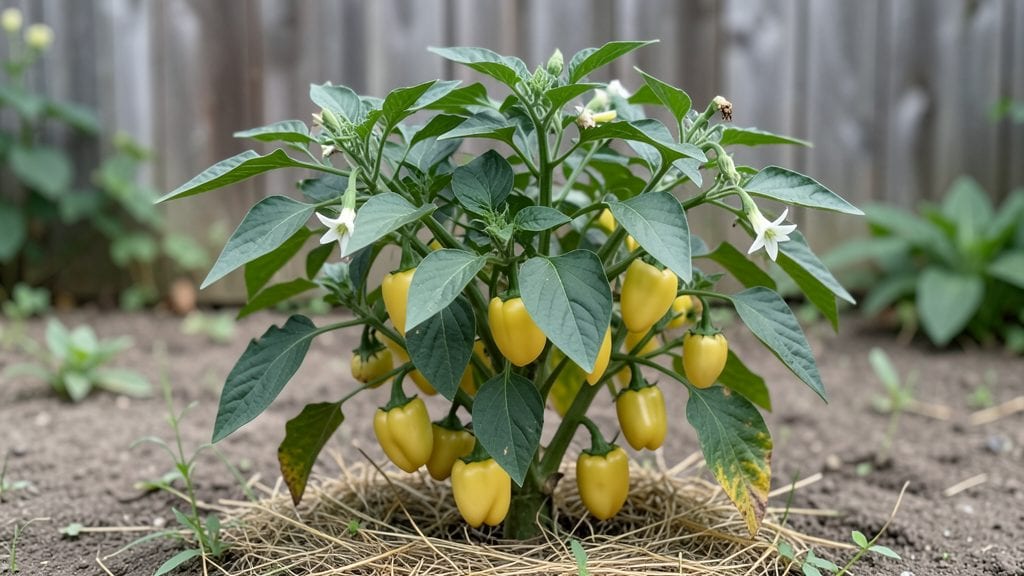
Growing yellow pepper seeds faster means skipping the waiting game and getting those first green shoots in 7-10 days instead of three weeks. 🌱 I’ve learned the hard way that standard germination advice for bell peppers won’t cut it—yellow varieties need warmth, moisture, and a little extra coaxing to break dormancy.
The difference between impatient gardeners and patient ones? A few simple tricks that turn flimsy seeds into sturdy seedlings before your last frost.
Start with seeds from reputable suppliers like Johnny’s Selected Seeds or Baker Creek, which specialize in heirloom yellow varieties like banana peppers or yellow wax peppers. These hold up better to heat and humidity once they sprout. The key to speed?
Soak seeds overnight in warm water, then plant them just ¼-inch deep in a mix of peat moss and perlite—this combo drains fast but keeps roots snug. Keep the soil at a steady 80°F using a heat mat if your home runs cooler.
Within a week, you’ll see tiny leaves unfurling—proof the seeds are working. Transplant them into 3-inch pots when they’re 2 inches tall, and harden them off for 5 days before setting them in the garden.
The payoff? A harvest of crisp, sweet peppers by midsummer, ready to pickle, stuff, or snack straight from the vine. No more waiting until store-bought transplants show up wilted and underperforming.
Works for both backyard gardens and container setups, though taller varieties like yellow bell peppers need 18+ inches of space. For smaller peppers like banana, crowd them into 12-inch pots—they’ll still thrive. The secret? Consistency in warmth and light. Let’s get those seeds sprouting like clockwork.
Root Causes of Seed Struggles
Understanding why your yellow pepper seeds might fail to germinate—or grow slowly—starts with science. Here’s a breakdown of the key factors that can sabotage your seedling dreams, along with actionable insights to fix them.
Why it happens: Yellow pepper seeds, like all seeds, have a finite shelf life. Over time, their viability drops due to enzymatic degradation and lipid oxidation in the seed coat. Fresh seeds (less than 1 year old) boast 90%+ germination rates, while seeds older than 2 years may dip below 50%. Even if stored properly, exposure to moisture, heat, or light accelerates aging.
Actionable fix:
- Test viability: Float a handful of seeds in water—sinkers are likely viable, floaters are duds.
- Buy fresh: Opt for seeds labeled "packed for current year" or harvested within the last 6–12 months.
- Store smart: Keep seeds in a cool (50–60°F), dark, airtight container with a desiccant packet to prevent mold.
Why it happens: Seeds need consistent moisture to activate enzymes that break down stored nutrients (like starches and fats) into energy for sprouting. Too little water = dormancy; too much = rot. Poor drainage in seed-starting mixes can lead to anaerobic conditions, where seeds suffocate from lack of oxygen or develop fungal infections (e.g., Pythium).
Actionable fix:
- Use the right medium: A light, airy mix (50% peat/coir + 50% perlite/vermiculite) prevents compaction.
- Bottom-water gently: Place trays in ½-inch of water for 10–15 minutes daily, then drain excess.
- Avoid soggy soil: If the mix feels like a wrung-out sponge, it’s too wet. Aim for 60% moisture (like a damp sponge).
Why it happens: Yellow pepper seeds thrive in warmth because their metabolic processes (like protein synthesis) slow below 60°F (15°C) and halt below 50°F (10°C). Conversely, temperatures above 90°F (32°C) can denature enzymes critical for germination. Most seeds germinate best between 70–85°F (21–29°C).
Actionable fix:
- Use a heat mat: Set trays on a seedling heat mat (70–75°F range) for consistent warmth.
- Insulate naturally: Place trays on a pile of newspapers or inside a clear plastic dome to trap heat.
- Avoid cold drafts: Keep seeds away from windows, AC vents, or refrigerators.
Why it happens: Yellow pepper seeds need minimal light (just enough for photosynthesis post-germination), but too much light too soon can dry out the seed coat, halting growth.
Planting too deep (below ½ inch) depletes the seed’s energy reserves before it breaks soil. Conversely, shallow planting (less than ¼ inch) exposes seeds to drying or temperature swings.
Actionable fix:
- Plant depth: Press seeds ¼–½ inch deep into moist soil, firming gently to ensure contact.
- Delay light exposure: Keep trays in low light (e.g., under fluorescent bulbs) until true leaves appear (about 7–14 days).
- Use a humidity dome: A clear plastic lid or plastic wrap retains moisture and blocks harsh light until sprouts emerge.
Why it happens: Overwatered or poorly sterilized soil creates a playground for pathogens like damping-off fungi (Rhizoctonia, Pythium) or bacterial soft rot.
These microbes attack young seedlings at the soil line, causing stems to collapse. Symptoms include blackened stems, moldy soil, or mushy roots.
Actionable fix:
- Sterilize tools/soil: Rinse containers with 1 part hydrogen peroxide to 4 parts water, or bake soil mix at 180°F (82°C) for 30 minutes.
- Prevent overcrowding: Space seeds 1–2 inches apart to improve airflow.
- Fungicide boost: Spritz soil with a 1 tsp baking soda + 1 quart water solution before planting.
Why it happens: Some yellow pepper varieties (e.g., ‘Lunchbox’ or ‘Lipstick’) are bred for bolting resistance or slow germination to delay harvests. Others, like ‘NuMex Sandia’, may have double seed coats requiring scarification (light sanding) to absorb water.
Always check the seed packet for specific notes on germination time (often 7–21 days for yellow peppers).
Actionable fix:
- Pre-soak stubborn seeds: Soak in lukewarm water for 12–24 hours to soften hard coats.
- Choose fast germinators: Varieties like ‘Carolina Wonder’ or ‘Early California Wonder’ sprout reliably in 7–10 days.
- Test small batches: Plant 5–10 seeds to gauge success before scaling up.
Why it happens: Residual pesticides, herbicides, or synthetic fertilizers in soil can inhibit seed growth by disrupting hormone signaling (e.g., auxin production). Even old compost may contain volatiles (like ammonia) that stifle germination.
Actionable fix:
- Flush soil: Water heavily with rainwater or distilled water 2–3 days before planting.
- Use organic amendments: Mix in worm castings or compost tea to neutralize toxins.
- Avoid fresh manure: Wait 3–6 months before using it in seed-starting mixes.
Fixing Common Pepper Seed Problems
Growing yellow pepper seeds can be incredibly rewarding, but even the most experienced gardeners sometimes face challenges like slow germination, mold, or weak seedlings. The good news? Most issues have simple, practical solutions.
Below, we’ve mapped out the most common problems and their fixes—plus prevention tips to keep your pepper plants thriving from seed to harvest.
If your yellow pepper seeds are sitting stubbornly in their soil without sprouting, don’t toss them just yet! Germination issues often stem from environmental factors or seed quality. Here’s how to troubleshoot:
🔥 Warmth Is Key
Pepper seeds need consistent warmth (70–90°F) to germinate. If your soil is too cool:
- Fix: Place seeds on a seedling heat mat (or even a sunny windowsill).
- Pro Tip: 🌡️ Use a thermometer to monitor soil temp—peppers hate cold drafts!
💧 Moisture Matters (But Not Too Much!)
Overwatering can drown seeds, while dry soil halts growth.
Aim for even moisture: - Fix: Mist seeds lightly with a spray bottle, then cover the tray with plastic wrap to retain humidity. - Prevention: 💡 Use a well-draining seed-starting mix (avoid compacted garden soil).
🕒 Patience Pays Off
Pepper seeds can take 10–21 days to sprout—longer than many veggies. If nothing happens in 3 weeks:
- Fix: Test a few seeds by soaking them overnight in warm water. If they swell, they’re viable; if not, try fresh seeds.
A white, gray, or black fuzzy growth on soil or seedlings is damping-off fungus, a silent killer of young plants. Don’t panic—this is fixable!
🧼 Clean Up & Improve Airflow Fungus thrives in damp, stagnant conditions.
Revive your seedlings with these steps: - Fix: - Remove affected seedlings immediately (don’t compost them—sterilize tools first!). - Sprinkle fungicide (like neem oil or hydrogen peroxide spray) on the soil. - Thin seedlings to reduce crowding—space them 2 inches apart for airflow. - Prevention: ✨ Sterilize trays with a 10% bleach solution (rinse well) before reuse.
🌿 Switch to a Fungus-Fighting Mix
If damping-off keeps recurring, your soil may be too dense or nutrient-heavy.
- Fix: Repot seedlings in a light, sterile mix (coco coir + perlite works great).
- Pro Tip: 💡 Add a pinch of cinnamon to the soil—it’s a natural antifungal!
Skinny, stretched-out seedlings with pale leaves are etiolated—a sign they’re reaching for light. Fix this before they flop over!
☀️ Light Up Their Lives
Weak stems happen when seedlings don’t get enough bright, direct light.
- Fix:
- Move trays to the sunniest window (south-facing is best).
- Use a grow light (12–16 hours/day) if natural light is weak.
- Prevention: 🌿 Start seeds under lights if your home lacks sunlight.
🍽️ Fertilize Gently (If At All)
Too-early or heavy feeding can burn seedlings. Wait until they have 2–3 true leaves, then:
- Fix: Use a diluted fish emulsion (½ strength) or seaweed extract for a gentle boost.
- Avoid: 🚫 Synthetic fertilizers—they can shock young roots.
🌱 Harden Off for Success
Before transplanting, acclimate seedlings to outdoor conditions over 7–10 days:
- Fix: Start with 1–2 hours outside, gradually increasing time.
- Pro Tip: 🎯 Water seedlings before hardening off—they’ll be less stressed.
Tiny holes in leaves, chewed seedlings, or sticky residue? Pests like aphids, spider mites, or fungus gnats can derail your pepper seeds. Act fast!
🐜 Identify & Attack the Invaders
- Aphids (tiny green/black bugs): Spray with soapy water (1 tsp mild soap + 1 quart water).
- Fungus gnats (tiny black flies): Let soil dry slightly between waterings; add sand or diatomaceous earth to the top.
- Cutworms (chewed stems): Collar seedlings with a toilet paper tube or aluminum foil barrier.
🌿 Prevention Starts Now
- Fix: Rotate crops yearly to avoid pest buildup.
- Pro Tip: 💡 Plant basil or marigolds nearby—they repel pests naturally!
Final Reminder: 🌱 Most seedling problems are preventable with the right care. Stay patient, adjust conditions as needed, and soon you’ll be harvesting juicy, vibrant yellow peppers! For extra success, keep a germination journal** to track what works best for your climate.
Frequently asked questions about yellow pepper seeds
How long do yellow pepper seeds typically take to germinate?
Most yellow pepper varieties sprout within 7–14 days when kept at 75–85°F with consistent moisture. Some faster varieties like 'Carolina Wonder' may appear in just 5–7 days, while heirlooms can take up to 21 days. Patience is key—don't give up before 3 weeks!
Can I save seeds from store-bought yellow peppers?
Generally, no—store-bought peppers are often hybrids that won't produce true-to-type seeds. For reliable results, purchase seeds from specialty suppliers like Johnny's Selected Seeds or Baker Creek. Their yellow varieties (like banana or wax peppers) are bred for consistent germination and flavor.
Why are my yellow pepper seedlings growing so slowly?
Slow growth usually means insufficient light or cool temperatures. Move seedlings to a sunny window or under grow lights (12–16 hours/day), and ensure soil stays at 70°F+. Etiolated (tall, leggy) seedlings need more light immediately—supplement with artificial sources if natural light is weak.
What's the best way to store leftover yellow pepper seeds?
Keep seeds in a cool (50–60°F), dark, airtight container with a silica gel packet to prevent moisture. Label with the variety and date—most remain viable for 1–2 years. For longer storage, refrigerate in sealed bags with a desiccant.
Are yellow pepper seeds hotter than red ones?
Not necessarily! Heat levels depend on the specific variety, not color. For example, 'Lunchbox' peppers (yellow) are mild (0–500 SHU), while 'Red Jalapeño' (red) can reach 2,500–8,000 SHU. Always check seed packets for Scoville ratings if heat is a concern.