
Propagation
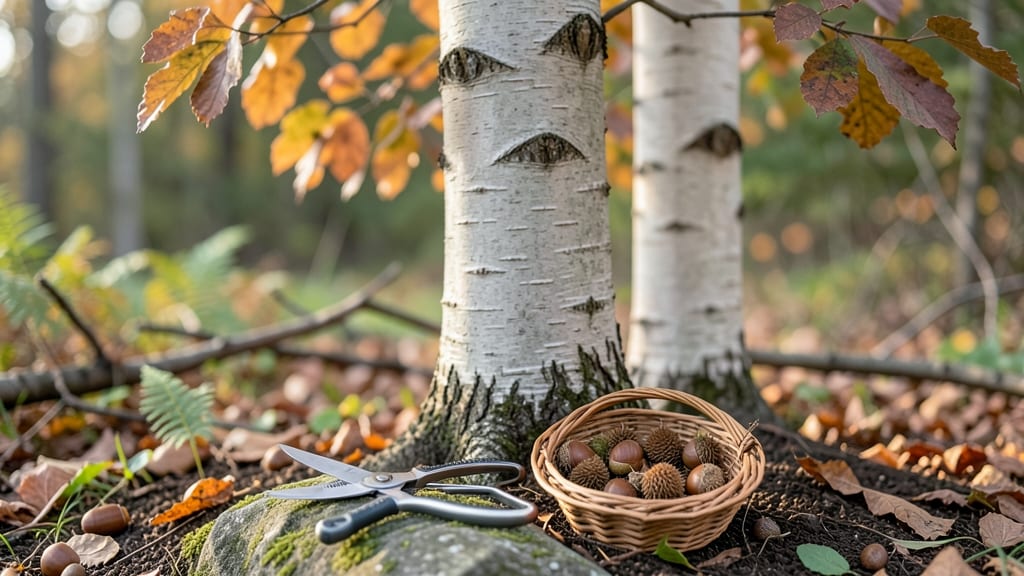
American beech seeds demand patience—but the layered moisture method finally cracked their stubborn germination. I’ve battled these seeds for years, and this technique ensures steady sprouts without the hit-or-miss frustration. The key lies in mimicking nature’s slow release of moisture, which tricks the seed into thinking spring has arrived.
You’ll need a clear container, damp paper towels, and a plastic bag to create a mini greenhouse effect. No fancy equipment—just a way to keep the seeds consistently moist without drowning them.
Most seeds sprout within 4-8 weeks, though some stubborn ones take twice that. The secret? Never let the towels dry out, but don’t soak them either.
Once the radicle (that tiny white root) appears, transplant into a moist, well-draining mix of peat and perlite. Keep the soil damp but never soggy, and place the pot in bright, indirect light. You’re not just growing a seed—you’re nurturing a future shade tree with roots that run deep.
This method works year-round, but spring planting gives seedlings the best head start. Watch for mold (a sign of overwatering) and tiny pests like fungus gnats. With consistent moisture and care, you’ll see those first true leaves within 6-12 months—proof that patience pays off in woodlands.
📚 In This Guide
- What you need
- Instructions
- Tips and common mistakes
- Wrapping up and next steps
What you need
- ● American beech seeds: 5–10 fresh, plump seeds (harvested in fall or purchased from a reputable supplier). Pro tip: 💡 Store-bought seeds should be stratified (cold-treated) for 3–4 months before planting.
- ● Stratification medium: 1 part peat moss or coco coir (sterilized)
- ● 1 part perlite or sand (for drainage)
- ● Container: A shallow tray (6"–8" deep) with drainage holes or a plastic bag with breathable mesh (for the bag method).
- ● Water: Room-temperature, filtered, or rainwater (avoid tap water with chlorine).
- ● Plastic wrap or lid: To maintain humidity.
- ● Refrigerator or cold frame: For stratification (35–40°F / 2–4°C).
- ○ Spray bottle: For gentle moisture control (optional but helpful).
- ● pH test kit: To check soil pH (ideal: 5.0–6.5 for beech seeds).
- ○ Heat mat (optional): For faster germination (70–75°F / 21–24°C after stratification).
- ● Label & marker: To track planting dates.
- ● Grow lights or sunny windowsill: For post-stratification light exposure.
How to grow American beech seeds using the layered moisture method
This reliable technique mimics nature's slow, steady moisture release for consistent germination.
Collect and Prepare the Seeds
Harvest beech seeds in late fall when the spiny husks open naturally. The seeds inside should be firm and brown—squishy or shriveled seeds won't sprout. Remove them from the husks and store them in a cool, dry place until you're ready to plant. I like to work with seeds within 3 months of collection for best results.
Before planting, soak the seeds in lukewarm water for 24 hours to soften the hard outer shell. This step is crucial because beech seeds have thick coats that slow natural water absorption. After soaking, gently rub the seeds between two layers of sandpaper to further scarify the shell—just enough to create tiny scratches without damaging the seed inside.
Create Moisture Layers in a Container
Fill a shallow container with 2-3 inches of moistened sphagnum moss, keeping it damp but not soggy. The moss should hold water without dripping when squeezed. Place the container in a plastic bag and seal it loosely to maintain humidity while allowing airflow. This mimics the forest floor environment where beech seeds naturally germinate.
Arrange the prepared seeds on top of the moss, spacing them about 1 inch apart. Lightly press them into the moss so they make contact but don't bury them completely. The goal is to keep them in constant, gentle moisture without submerging them. Check the moss daily and mist with water if it begins to dry out—you'll know it's properly moist when it feels like a well-wrung sponge.
Maintain Consistent Moisture and Warmth
Place the container in a location with 60-70°F temperatures—a basement or garage works well for this slow process. Beech seeds need time, often 4-6 weeks, to break dormancy and begin sprouting. During this period, check the moss every 2-3 days and mist lightly if the surface feels dry to the touch.
You'll notice tiny roots emerging first, followed by the shoot. This is your signal that germination has begun. Once roots reach about ½ inch long, carefully transfer each seedling to its own small pot filled with a mix of 50% peat moss and 50% perlite. Keep the pots in a shaded area for the first week to reduce transplant shock.
Transition to Individual Pots
After the seedlings establish in their individual pots, move them to a location with bright, indirect light. American beech seedlings grow slowly, so patience is key. Water gently whenever the top inch of soil feels dry, but avoid letting the soil become waterlogged. You'll see new leaves emerge within 4-6 weeks of transplanting, indicating healthy growth.
When the seedlings reach 6-8 inches tall and have developed several sets of true leaves, they're ready for their permanent outdoor location. Choose a spot with partial shade and well-draining soil. The layered moisture method ensures your beech seedlings start strong, giving them the best chance to thrive in their new home.
Tips & tricks for perfect American beech seed germination
Here's what I've learned from years of growing beech seedlings—these small details make all the difference between success and frustration.
Seed Selection Matters: In Step 1, when harvesting beech seeds, focus on those that are firm and brown with no visible cracks. I've found that seeds collected from trees with healthy foliage sprout more reliably. Store them in a cool, dry place, but don't refrigerate—they need to stay dormant but not frozen. After 3 months, germination rates drop noticeably, so plan your planting timing carefully.
Scarification Technique: The sandpaper rubbing in Step 1 is crucial for breaking the seed's dormancy. Use medium-grit sandpaper (around 120-150 grit) and apply even pressure—you're not trying to remove the shell, just create tiny scratches. I've tried using a file or knife, but sandpaper gives the most consistent results without damaging the seed inside. This step mimics how seeds would naturally be worn down by forest debris.
Moisture Management: In Step 2, maintaining that perfect moisture level is an art. The moss should feel like a well-wrung sponge—damp but not dripping. I use a spray bottle with a fine mist setting to check moisture levels daily. If the moss feels dry at the surface, mist lightly. Too much water creates anaerobic conditions that prevent sprouting, while too little causes the seeds to dry out before germination begins. The plastic bag helps maintain humidity without trapping excess moisture.
Temperature Consistency: The 60-70°F range in Step 3 is ideal, but consistency matters more than exact degrees. I've noticed that seeds germinate most reliably when temperatures stay within 5°F of each other day and night. If your space fluctuates more than that, consider using a small heating pad under the container during cooler evenings. Beech seeds are sensitive to temperature swings—even a single cold night can delay germination by weeks.
Pro Tips for American Beech Seeds
- Here's what I've learned from years of growing beech seedlings—these small details make all the difference between success and frustration.
- Seed Selection Matters: In Step 1, when harvesting beech seeds, focus on those that are firm and brown with no visible cracks.
- Scarification Technique: The sandpaper rubbing in Step 1 is crucial for breaking the seed's dormancy.
Frequently asked questions
Got questions about growing American beech seeds?
You’re not alone! Here are some of the most common queries—and their straightforward answers—to help you succeed with your layered moisture method.
How long does it take for American beech seeds to sprout?
Patience is key! Under ideal conditions (consistent moisture, warmth, and light), American beech seeds typically sprout in 4–12 weeks. Some may take longer—up to a few months—especially if they’re fresh or dormant. Pro tip: Don’t panic if nothing happens in 6 weeks—keep the setup stable!
Do American beech seeds need cold stratification before planting?
Yes! These seeds benefit from stratification to break dormancy. Mix them with damp sand or peat moss, then refrigerate for 2–3 months at 33–41°F (1–5°C). This mimics winter and tricks the seed into thinking it’s time to grow. Skip this step? Sprouting rates may drop significantly.
Can I grow American beech seeds indoors without sunlight?
but you’ll need a grow light! Beech seeds need 12–16 hours of light daily to avoid leggy seedlings. A simple LED grow bulb or sunny windowsill works. If natural light is weak (e.g., winter), supplement with artificial light. No grow light? Try a seedling heat mat to speed early growth.
What do I do if my beech seeds mold or rot?
Mold or rot usually means too much moisture or poor airflow. Here’s how to fix it:
- Stop watering immediately—let the medium dry slightly between mistings.
- Improve airflow by lifting the container or using a small fan on low.
- Check for overcrowding—seeds need space to breathe.
Are there faster-growing alternatives to American beech seeds?
If you’re eager for quicker results, consider these easier-to-grow native trees:
Seed Type
Avg. Sprouting Time
Notes
White Oak Acorns
6–12 weeks
Requires stratification but grows faster than beech.
Red Maple Seeds
2–4 weeks
Germinates quickly but needs consistent moisture.
Black Walnut Seeds
8–16 weeks
Toxic to some plants—plant in containers first!
Wrapping up and next steps
Growing American beech seeds using the layered moisture method is a rewarding way to nurture these resilient trees—just remember, patience is key! 🌱 With the right materials, a little consistency, and a watchful eye, you’ll soon see those first sprouts breaking through.
Whether you’re a seasoned gardener or a curious beginner, this method makes propagation accessible and exciting.
Ready to take the next step? Start with a small batch of seeds, experiment with your setup, and document your progress. Who knows? You might just grow the foundation for a future forest! 🌳