Pests
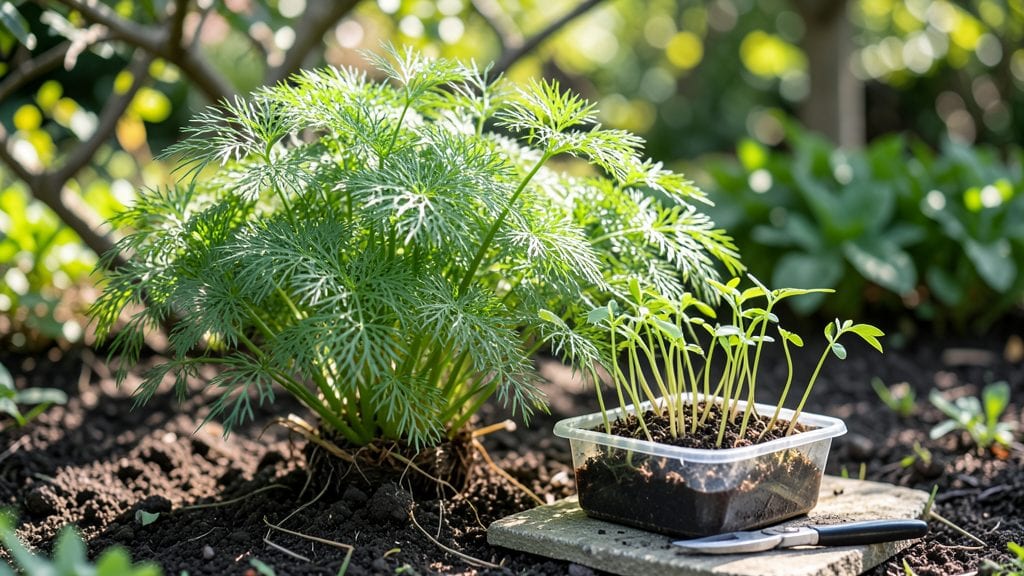
When asparagus seeding out takes over your garden, it’s not just weeds—it’s a battle for your plants’ future. ✨ I’ve spent years watching asparagus crowns get choked by volunteer seeds, and the key to saving your harvest is knowing exactly how to remove them without damaging those precious spears you’re waiting for.
The first step is timing: pull those seedlings when they’re just 2–3 inches tall, before they drop seeds of their own. Use a hand fork to loosen the soil around them, then tug gently—never yank, or you’ll disturb the asparagus roots beneath.
Mulch heavily afterward to smother any stragglers and keep the bed weed-free until your asparagus emerges.
You’ll notice a difference in just a few weeks—fewer weeds mean more energy for your asparagus crowns to grow strong spears next season. The payoff? Thicker, healthier plants that reward you with years of harvests instead of wasted effort. This method works for both new beds and established patches.
Fair warning: asparagus seeding out gets worse in years with heavy rain or poor mulching. But once you master this, you’ll have a weed-free zone where your asparagus can thrive without competition. Let’s get those volunteers out for good.
Root Causes of Unwanted Seed Spread
When asparagus plants seed out, it’s rarely a random event—it’s a response to specific growing conditions or cultural practices. Understanding these triggers can help you prevent future outbreaks and keep your garden focused on the spears you planted. Here’s why it happens, broken down by the most common culprits:
Asparagus is a perennial crop with a lifespan of 10–15 years, but as it ages, its energy shifts from producing spears to reproductive growth.
Once a plant reaches maturity (typically 3–5 years old), it may prioritize seed production over food storage in its crown. This is especially true if:
- Spears are harvested too aggressively: Cutting back more than 20–30% of the crown’s energy reserves in a single season forces the plant to compensate by redirecting resources to seeds.
- Plants aren’t given enough recovery time: After the first 2–3 harvest years, asparagus needs full growing seasons off (or at least reduced harvesting) to rebuild strength.
- Nutrient imbalances favor flowering: Excess nitrogen (N) early in the season can delay flowering, but low phosphorus (P) or potassium (K) later in the year may trigger seed production as a survival strategy.
💡 Pro Tip: If your asparagus bed is over 5 years old, consider rejuvenating it by letting it grow wild for a season—this can reset seed production and improve spear yield.
Neglecting basic asparagus care creates the perfect conditions for unwanted seeds to take root. Here’s how:
- Lack of mulching: Asparagus crowns need consistent moisture and weed suppression. Without mulch (straw, wood chips, or grass clippings), weeds compete for nutrients, stressing the plant and prompting it to reproduce via seeds.
- Inconsistent watering: Drought stress or waterlogging forces asparagus to prioritize seed production for the next generation’s survival. Aim for 1–1.5 inches of water per week, especially during fern growth (June–August).
- Delayed fern cleanup: Leaving dead ferns (the plant’s food factory) past early fall can harbor pests and diseases, further weakening the crown. Remove ferns when they turn brown but before they decompose.
🔥 Action Step: After harvest, apply a 2–3 inch layer of mulch around the bed to retain moisture and block weeds. Avoid organic mulches like fresh grass clippings, which can mat and suffocate the crown.
When asparagus plants are under attack, their survival instincts kick in—often by producing seeds. Common stressors include:
| Pest/Disease | How It Triggers Seeding | Prevention |
|---|---|---|
| Asparagus Beetle (especially green larvae) | Beetles skeletonize ferns, reducing photosynthesis by up to 50%. The plant perceives this as a life-or-death threat and shifts energy to seed production. | Handpick adults/eggs daily. Use neem oil or kaolin clay as a barrier. |
| Rust Fungus (Puccinia spp.) | Fungal spores clog stomata, preventing gas exchange. The plant’s stress response includes accelerated flowering. | Space plants 12–18 inches apart for airflow. Remove infected fronds immediately. |
| Root Rot (Phytophthora) | Waterlogged soil destroys feeder roots, starving the crown. The plant’s last-ditch effort is to produce seeds before dying. | Ensure well-draining soil (amend with compost/sand). Avoid overhead watering. |
🎯 Key Insight: Healthy asparagus plants rarely seed out if pests and diseases are managed proactively. Monitor your bed weekly during peak growing season (May–July).
Asparagus is sensitive to light, temperature, and day length. When these factors shift unexpectedly, the plant may interpret them as a signal to reproduce:
- Longer daylight hours: Asparagus is day-neutral, but extended summer sunlight (14+ hours) can trick mature plants into flowering. This is more common in northern climates where days lengthen dramatically.
- Temperature fluctuations: Heatwaves above 90°F (32°C) or late-spring frosts disrupt the plant’s energy allocation. A sudden cold snap can halt spear growth, prompting seed production as a backup plan.
- Poor soil temperature: Asparagus crowns thrive in 60–70°F (15–21°C) soil. If soil stays below 50°F (10°C) for weeks, the plant may skip spear production entirely and focus on seeds.
🌡️ Climate Hack: In hot climates, provide afternoon shade (using shade cloth) during peak summer to reduce stress. In cold regions, mulch heavily in fall to insulate crowns.
Stop Weeds from Spreading Now
If your asparagus bed is battling unwanted seedlings popping up everywhere, don’t panic—you can take control! The key is identifying the root cause and applying the right fix. Below, we’ve mapped out practical solutions tailored to the most common triggers, along with prevention tips to keep your asparagus patch thriving.
If your asparagus crowns are too dense, they compete with weeds for space, nutrients, and sunlight. Thinning is your first line of defense.
🔥 How to Fix It:
- 👨🍳 Step 1: Wait for the Right Time Thin your asparagus after harvest season (late summer to early fall) or in early spring before new shoots emerge. Avoid thinning during peak growth—it stresses the plants.
- 🔪 Step 2: Dig Carefully Use a garden fork or trowel to gently lift the crowns. Separate them by hand, ensuring each has healthy roots and at least 3–4 strong shoots.
- 🌿 Step 3: Replant or Discard Replant the healthiest crowns 12–18 inches apart in rows spaced 3–4 feet apart. Discard weak or diseased crowns immediately to prevent further spread.
💡 Prevention Tips:
- ✨ Space Them Properly: Start with the correct spacing (12–18 inches apart) to avoid future overcrowding.
- 🌡️ Monitor Growth: Regularly check for new shoots—remove any that appear too close to existing plants.
- 🎯 Mulch Strategically: Apply a 2–3 inch layer of organic mulch (straw or wood chips) to suppress weeds and retain moisture.
Weeds love asparagus beds because they’re soft, fertile soil. But manual removal can work—if you do it right and often.
🍳 How to Fix It:
- 🌱 Step 1: Pull When Soil Is Moist Wait for a rainy day or water the bed thoroughly before pulling. Wet soil makes weeds easier to remove root and all.
- 👩🌾 Step 2: Use the Right Tools A hula hoe or hand weeder works best for shallow weeds. For deep-rooted invaders (like dandelions), grab them by the base and twist gently.
- 🔄 Step 3: Stay Consistent Check your bed weekly—weeds grow fast! Focus on young seedlings before they seed themselves.
💡 Prevention Tips:
- 🌡️ Smother Weeds with Mulch: A thick layer (3+ inches) of straw or cardboard blocks sunlight, starving weeds.
- 🎯 Solarize Problem Areas: In hot climates, cover weed-infested soil with clear plastic for 4–6 weeks to bake weeds out.
- 🔥 Vinegar Spray (Spot-Treat Only): Mix 1 gallon of water with 1 cup vinegar and 1 tbsp dish soap. Spray directly on weeds—avoid asparagus foliage!
Asparagus does produce seeds, and those seedlings can become aggressive if left unchecked. Here’s how to stop them in their tracks.
🔥 How to Fix It:
- 🌱 Step 1: Identify the Culprits Asparagus seedlings look like tiny, grass-like shoots. Pull them when they’re 1–2 inches tall—before they establish roots.
- 🗑️ Step 2: Bag and Dispose Never compost pulled weeds or seedlings—they’ll regrow! Seal them in a trash bag and toss them.
- 🌿 Step 3: Prevent Future Seedlings If your asparagus is flowering (a sign it’s mature), consider pruning the ferns before seeds form. Cut them back in early fall to redirect energy to root growth.
💡 Prevention Tips:
- 🎯 Choose Non-Seeding Varieties: Some asparagus cultivars (like ‘Purple Passion’) produce fewer seeds.
- 🌡️ Cover Soil in Spring: Use black plastic or thick mulch to block sunlight and prevent seed germination.
- 🔄 Rotate Your Garden: If asparagus seedlings are a recurring issue, move your asparagus bed to a new location after 10–15 years.
If asparagus crowns are stressed by pests (like asparagus beetles) or diseases (like fusarium wilt), they’re more vulnerable to weed takeover. Boost their health to crowd out invaders.
🍳 How to Fix It:
- 💪 Step 1: Test Your Soil Use a soil test kit to check pH (aim for 6.5–7.5) and nutrient levels. Amend with compost or organic fertilizer if needed.
- 🚫 Step 2: Control Pests Naturally
- 🐞 Asparagus Beetles: Handpick adults and larvae, or spray with neem oil.
- 🐜 Cutworms: Use collars made from cardboard around young shoots.
- 🍄 Fungal Issues: Improve airflow by spacing plants properly and avoid overhead watering.
- 🌱 Step 3: Fertilize for Vigorous Growth Feed your asparagus with a balanced fertilizer (10-10-10) in early spring. Avoid high-nitrogen fertilizers once harvest starts—they encourage foliage over roots.
💡 Prevention Tips:
- ✨ Crop Rotation: Don’t plant asparagus in the same spot for more than 15 years—rotate with non-related crops.
- 🌡️ Water Deeply, Not Often: Deep watering (1–2 inches per week) encourages strong roots that outcompete weeds.
- 🎯 Plant Companion Crops: Interplant with garlic, onions, or marigolds to deter pests naturally.
With these targeted fixes, your asparagus bed will go from weed-ridden chaos to a lush, low-maintenance oasis. The key? Stay proactive—consistent effort now means fewer headaches later! 🌱✨
Frequently asked questions about managing asparagus seedlings
Why do asparagus plants produce so many unwanted seedlings?
Mature asparagus crowns (especially those over 3-5 years old) shift energy from spears to seed production when stressed. Common triggers include over-harvesting, poor soil conditions, or pest/disease damage. Even healthy plants may seed out if they sense competition from weeds or inconsistent moisture.
At what size should I remove asparagus seedlings?
Pull seedlings when they're just 1-2 inches tall—this prevents them from dropping their own seeds. Use a hand fork to loosen soil around roots, then tug gently. Never yank, as this can damage nearby asparagus crowns. Work on damp soil for easier removal.
Will mulching prevent future asparagus seedlings?
Yes! Apply a 2-3 inch layer of straw or wood chips after harvest to block sunlight and smother emerging seedlings. For aggressive seeders, use black plastic mulch in spring. Just avoid fresh grass clippings—they can mat and suffocate asparagus crowns instead.
Can I compost pulled asparagus seedlings?
No—composting them risks spreading viable seeds back into your garden. Always bag and dispose of pulled seedlings in yard waste. If you must compost, let the pile reach 140°F for 3 days to kill seeds, but this is rarely practical for small gardeners.
How do I stop my asparagus from flowering/seeding?
Prune ferns back in early fall before seeds form, or let mature beds go wild for a season to reset seed production. For persistent seeders, consider replacing with non-seeding varieties like 'Purple Passion' or 'Jersey Knight'. Avoid high-nitrogen fertilizers after harvest—they encourage foliage growth over root storage.