Pruning
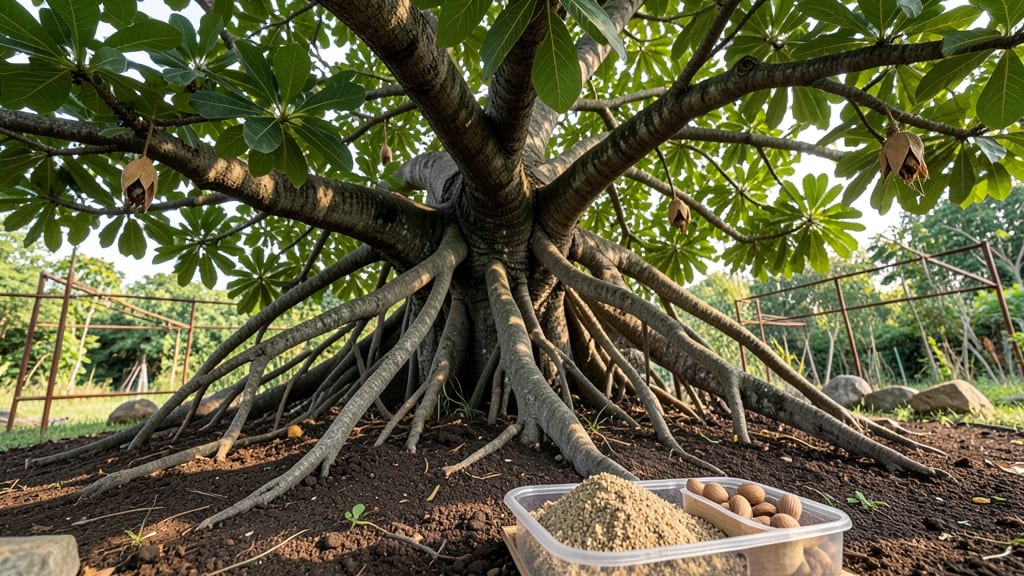
Growing a banyan tree from seeds unlocks a living privacy screen that feels like a tropical escape. ✨ I’ve watched these trees transform from tiny seeds into sprawling canopies that block wind while letting sunlight filter through—exactly what my backyard needed after years of bare fences.
The process isn’t quick, but the payoff is worth every step, from germination to those first aerial roots twisting like nature’s own trellis.
The biggest hurdle is patience—these seeds take 3-6 months to sprout, and they need warmth, humidity, and a soil mix that mimics their rainforest roots. Start with a clear plastic container, a heat mat, and a blend of peat moss and perlite to keep moisture steady without drowning the seeds.
Most gardeners rush this part and end up with mold instead of seedlings, so take your time here.
Once sprouted, your banyan will reward you with velvety new leaves within a year if given full sun and regular watering—though never soggy soil. The real magic happens when those prop roots hit the ground: they’ll thicken into sturdy trunks, creating that iconic, multi-stemmed look.
By year three, you’ll have a 10-foot-tall privacy screen that feels like a secret garden.
Fair warning: banyans grow fast and wide, so plan for 20+ feet of spread in a decade. If space is tight, consider training the roots along a fence or trellis—though purists argue that’s cheating against nature’s design. Either way, you’re growing something most people only see in postcards.
📚 In This Guide
- What you need
- Instructions
- Tips and common mistakes
- Wrapping up and next steps
What you need
- ● Banyan tree seeds: 3–5 fresh seeds (preferably from a mature, healthy tree; Ficus benghalensis or Ficus microcarpa varieties work well).
- ● Seed-starting mix: 2–3 cups of well-draining potting soil (sterilized and peat-based or coco coir blend).
- ● Small pots or seed trays: 3–4 biodegradable pots (3–4 inches in diameter) or a shallow tray with drainage holes.
- ● Drainage layer: Perlite, vermiculite, or small pebbles (½ inch thick) to prevent root rot.
- ● Watering can or spray bottle: With a fine mist nozzle for gentle hydration.
- ● Plastic wrap or humidity dome: To maintain moisture during germination.
- ● Grow lights or sunny windowsill: A south-facing window or LED grow lights (12–16 hours/day) for seedlings.
- ● Pruning shears: Small, sharp pair for trimming excess growth or harvesting seeds (if sourcing from a tree).
- ○ Gloves (optional): Latex or gardening gloves to protect hands from sap or soil.
- ○ pH testing kit (optional): To ensure soil pH is between 6.0–7.5 (ideal for banyan trees).
- ○ Fertilizer (optional): Balanced liquid fertilizer (5-5-5 NPK ratio) for seedlings after 4–6 weeks.
- ● Outdoor planting space (if applicable): A sunny, sheltered spot with well-draining soil (partial shade for young trees).
Step-by-step instructions for growing banyan tree seeds
Here's how I turn those tiny seeds into a lush, tropical privacy screen over time.
🌱 Step 1: Prepare Seeds for Faster Germination
Banyan seeds have a tough outer shell that slows germination. First, soak them in warm water for 24 hours to soften the coating. I use a small bowl and cover the seeds completely—just enough water to submerge them fully. This step is crucial because dry seeds can take months to sprout.
After soaking, drain the water and spread the seeds on a damp paper towel. Fold the towel so the seeds are lightly covered but not crushed. Place the towel in a sealed plastic bag and store it in a warm, dark place like your fridge's crisper drawer. Check daily for moisture—keep the towel just damp, not soggy.
🌿 Step 2: Plant Germinated Seeds in Well-Draining Soil
Once the seeds sprout (usually in 7-14 days), plant them in a 6-inch diameter pot filled with a mix of 50% potting soil and 50% perlite. The perlite prevents root rot, which is a common killer of young banyan trees. Fill the pot to within ½ inch of the rim and press the soil down lightly.
Make a small hole about ½ inch deep with your finger, place one seed inside, and cover it with soil. Gently water the pot until moisture reaches the bottom hole. Avoid overwatering—you want the soil to stay moist but never waterlogged. Place the pot in a spot with bright, indirect light.
☀️ Step 3: Provide Humidity and Gradual Sunlight
Banyan seedlings thrive in humidity, so I cover the pot with a clear plastic bag secured with a rubber band. This creates a mini greenhouse effect while still allowing light to penetrate. Keep the bag on for the first 2-3 weeks or until the first true leaves appear—you'll see them as small, rounded foliage distinct from the initial seed leaves.
After the seedlings develop their first true leaves, remove the plastic bag and move the pot to a location with morning sun and afternoon shade. Direct afternoon sun can scorch tender leaves. Gradually increase sunlight exposure over 2 weeks to harden the seedlings before transplanting outdoors.
🪴 Step 4: Transplant Seedlings to Larger Containers
When seedlings reach 6-8 inches tall (usually in 3-4 months), it's time to transplant them into larger 10-inch diameter pots. Choose pots with drainage holes to prevent waterlogging. Fill the new pot with the same soil mix (50% potting soil and 50% perlite) and create a hole large enough to accommodate the root ball.
Carefully remove the seedling from its small pot, keeping the root ball intact. Place it in the new pot, fill in around the roots with soil, and press gently to eliminate air pockets. Water thoroughly until moisture drains from the bottom hole. Place the pot in a sheltered outdoor spot with partial shade for 1 week to help the seedlings adjust.
✂️ Step 5: Train and Maintain for a Privacy Screen
Banyan trees are known for their airy canopy and sprawling roots, making them perfect for privacy screens. Once seedlings are established in their larger pots, begin training by gently guiding the main stem upward with a small stake. As the tree grows, you'll notice aerial roots forming—these are normal and should be encouraged by lightly misting them to promote growth.
Water the tree deeply once a week, allowing the top 2 inches of soil to dry out between waterings. Fertilize with a balanced, slow-release fertilizer every 3 months during the growing season. Prune any leggy growth to encourage bushier foliage, and trim back any roots that become too aggressive in your container.
Tips & tricks for perfect banyan tree seed growth
Growing banyan trees from seeds takes patience, but these small adjustments make all the difference between struggling seedlings and thriving tropical giants.
The Soaking Secret: Don't rush the 24-hour warm water soak—this is where germination success begins. I use a bowl of water heated to about 80°F (just warm to the touch) and make sure the seeds are completely submerged. If you're impatient, you can extend this to 48 hours, but never skip it. The tough outer shell needs this time to soften enough for roots to emerge.
Germination Timing: Those 7-14 days for sprouting can feel like forever, but consistency is key. Check your damp paper towel daily—it should feel like a wrung-out sponge, not a dripping washcloth. If you notice mold or black spots, discard those seeds immediately and start fresh with new ones. The goal is moisture without creating a bacterial party.
Light Strategy: Bright indirect light is your friend, but direct sunlight at this stage is your enemy. I place my seedling pots near an east-facing window where they get morning sun but gentle afternoon light. If you notice leaves turning yellow or crispy edges, move them farther back immediately. Remember, these little guys can't tell you they're getting sunburned!
Transplant Timing: The 3-4 month mark for transplanting to 10-inch pots might seem like forever, but it's crucial. Wait until you see healthy new growth and the seedling reaches at least 6 inches tall. I always check the roots by gently removing the plant from its pot—if you see roots circling the bottom, it's definitely time to upgrade. This prevents root binding, which can stunt your tree's growth permanently.
Pro Tips for Banyan Tree Seeds
- Growing banyan trees from seeds takes patience, but these small adjustments make all the difference between struggling seedlings and thriving tropical giants.
- The Soaking Secret: Don't rush the 24-hour warm water soak—this is where germination success begins.
- Germination Timing: Those 7-14 days for sprouting can feel like forever, but consistency is key.
Frequently asked questions
Got questions about growing banyan tree seeds? Here are some of the most common ones—plus practical answers to help you succeed!
How long does it take for banyan tree seeds to germinate?
Banyan tree seeds typically germinate within 4 to 8 weeks if kept in warm, moist conditions (around 70–80°F). Soak seeds in water for 24–48 hours before planting to speed up the process. Patience is key—some may take longer, especially if stored improperly.
Can I plant banyan tree seeds directly in the ground?
While possible, it’s best to start seeds indoors in pots with well-draining soil. Banyan seedlings are delicate and need protection from harsh weather. Once they’re 6–12 inches tall, transplant them outdoors—choose a spot with full sun and rich, slightly acidic soil for best results.
Why aren’t my banyan tree seeds sprouting?
If seeds aren’t germinating, check these common issues:
- Cold soil: Banyan seeds need warmth—use a heat mat or place pots near a sunny window.
- Dry conditions: Keep soil consistently moist (not soggy) with a humidity dome or plastic wrap.
- Old seeds: Banyan seeds lose viability over time—use fresh ones for best success.
How fast do banyan trees grow from seed?
Banyan trees grow moderately fast—expect 12–24 inches per year under ideal conditions. With their aerial roots, they can spread widely, so give them plenty of space (at least 20–30 feet apart). Prune young trees to encourage a fuller canopy and control growth direction.
Are there alternatives to growing banyan trees from seed?
Yes! If seeds are hard to find, consider:
- Young nursery saplings: Faster growth, but pricier.
- Grafting: For rare varieties, though more advanced.
- Other fast-growing shade trees: Like monkeypod or mango for similar tropical vibes.
Wrapping up and next steps
Growing a banyan tree from seed is a rewarding journey that brings a touch of the tropics to your landscape—whether you're seeking a privacy screen or a stunning airy canopy. 🌿 With patience and the right care, these resilient seeds can transform into a majestic tree, offering shade and beauty for decades.
Now that you’re armed with the materials and answers to common questions, it’s time to take the plunge!
Ready to start? Plant your seeds today and watch your tropical oasis grow—one leaf at a time! 🌱 Need a refresher? Check out our step-by-step guide to ensure success.