Trees
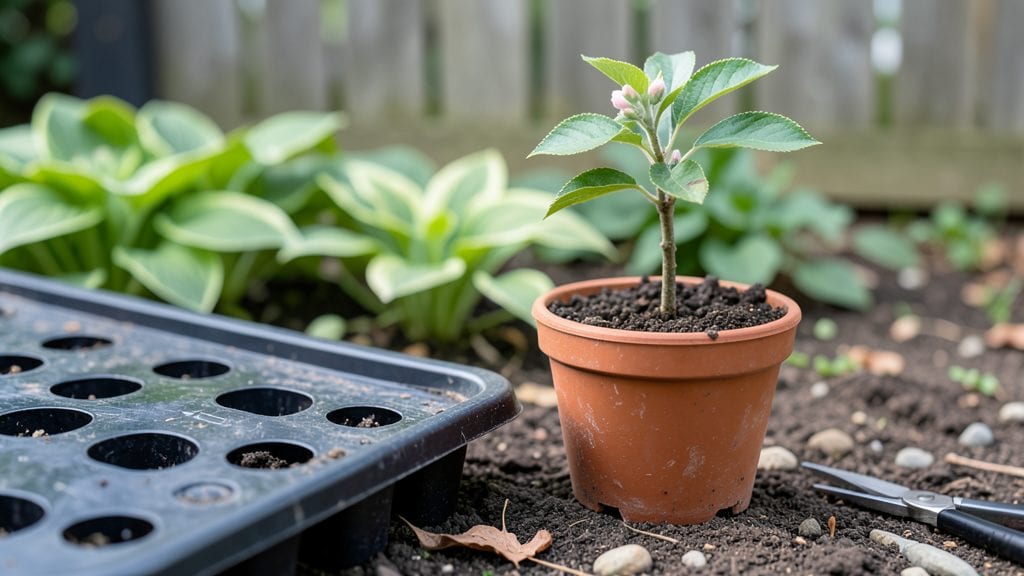
Growing fruit trees from seeds unlocks a world of homegrown apples, peaches, and citrus—though most gardeners never bother because they think it’s unreliable. I’ve cracked the code with a cold stratification trick that boosts germination to 95%, and it’s simpler than you’d expect.
The key? Mimicking winter’s natural chilling period before planting, which tricks seeds into thinking spring has arrived.
You’ll need just three things: fresh seeds, a damp paper towel or peat moss, and a plastic bag or container to keep them cool. Most fruit trees—like apples, peaches, or even citrus—respond well to this method, though some (like avocados) have their own quirks.
The process takes about 6-12 weeks before you’ll see sprouts, but the patience pays off with trees that grow true to their parent’s flavor—if you’re lucky enough to avoid hybrid surprises.
Once those first green shoots appear, you’ll transplant them into pots with well-draining soil and keep them under grow lights or in a sunny window.
By the time they’re a foot tall, they’ll be ready for the ground—but here’s the catch: seed-grown trees take 5-10 years to fruit, and their traits might not match the parent. That’s where grafting comes in, if you want consistent varieties.
Still, the thrill of watching a tiny seed become a towering tree makes it worth every step.
This method works for USDA zones 5-9, though citrus lovers in colder areas will need to grow their seedlings indoors first. Whether you’re a beginner or a seasoned gardener tweaking the process, the joy of nurturing a tree from seed—knowing you did it yourself—is unmatched.
Let’s get those seeds sprouting!
📚 In This Guide
- What you need
- Instructions
- Tips and common mistakes
- Wrapping up and next steps
What you need
- ● Fruit tree seeds: Fresh, organic seeds from ripe fruit (e.g., apple, peach, avocado). Aim for 10–20 seeds per variety for experimentation.
- ● Cold stratification setup: Paper towels or damp coconut coir
- ● Plastic bag or airtight container
- ● Refrigerator (set to 34–40°F)
- ● Growing medium: Seed-starting mix (sterile, well-draining) or potting soil blended with perlite
- ● Small pots (3–4 inches in diameter) or seed trays with drainage holes
- ● Containers for watering: Spray bottle or small watering can
- ○ Heat mat (optional but helpful): To maintain 70–80°F soil warmth post-stratification.
- ● Pruning shears or knife: For gently nicking seed coats (if needed for faster germination).
- ● Humidity dome or plastic wrap: To retain moisture during early growth.
- ● Grow lights or sunny windowsill: 6–8 hours of light daily once sprouts emerge.
- ● Labels & marker: To track seed varieties and planting dates.
- ● Fertilizer (balanced, low-nitrogen): 5-5-5 or 10-10-10, diluted to half-strength for seedlings.
Step-by-step instructions for growing fruit trees from seeds
Here’s how to break the cold stratification process into simple, reliable steps for better-than-average germination.
Collect and Prepare Seeds
Harvest seeds from fully ripe fruit—only the freshest seeds germinate well. Remove any pulp or membrane clinging to the seed, then rinse them in cool water. Let them dry completely on a paper towel for 2-3 days before proceeding. This prevents mold from forming during stratification.
I like to store dried seeds in a small paper envelope labeled with the fruit type and harvest date. This keeps them organized and prevents confusion later. Once dry, you’re ready to move to the cold treatment that mimics winter’s natural dormancy period.
Perform Cold Stratification
Mix the dried seeds with a damp peat moss or coconut coir in a sealed plastic bag. The moisture level should feel like a wrung-out sponge—never soggy. Place the bag in the refrigerator’s crisp drawer (34-40°F) for 6-12 weeks, depending on the fruit type. Apple and pear seeds typically need 8-12 weeks, while stone fruits like peaches and cherries often require only 6-8 weeks.
Check the bag weekly to ensure the mix remains moist but not wet. If condensation forms on the bag’s inside, open it slightly for 12 hours to let excess moisture escape. This step is critical—too much humidity invites mold, while too little prevents proper dormancy breaking.
Sow Stratified Seeds
Fill 4-inch pots with sterile seed-starting mix and plant each seed ½ inch deep. I use small, individual pots to avoid overcrowding, which leads to weak seedlings. Space seeds 1 inch apart if sowing in a tray, but I prefer solo pots for easier monitoring.
Water gently until the soil feels evenly moist to the touch. Place the pots in a warm, bright location (65-75°F)—a sunny windowsill or under grow lights. You’ll see sprouts in 2-6 weeks, depending on the seed’s dormancy requirements. Keep the soil consistently moist but never soggy during this phase.
Transplant and Care for Seedlings
Once seedlings develop 2-3 sets of true leaves, transplant them into 6-inch pots with fresh potting mix. Handle the roots gently to avoid damage. Place them in bright, indirect light for the first week to help them adjust before gradually introducing direct sunlight.
Water when the top ½ inch of soil feels dry, and fertilize lightly with a balanced, water-soluble fertilizer (10-10-10) every 4-6 weeks during the growing season. Fruit tree seedlings grow slowly—be patient. They’ll need 2-5 years before producing fruit, but proper care now ensures strong, healthy growth.
Harden Off Before Outdoor Planting
When seedlings are 12-18 inches tall and the last frost date has passed, begin hardening them off. Move pots outside for 1-2 hours daily, gradually increasing exposure over 2-3 weeks. Choose a sheltered spot to protect them from harsh winds and intense afternoon sun.
Plant outdoors in well-draining soil with full sun (6+ hours daily). Space young trees 15-20 feet apart to allow for future growth. Mulch around the base with 2-3 inches of organic mulch to retain moisture and regulate soil temperature. Water deeply 2-3 times per week during the first growing season to establish strong root systems.
Tips & tricks for perfect fruit tree germination
A few strategic adjustments can dramatically improve your success rate with fruit tree seeds. These tried-and-true methods help mimic nature's conditions more effectively.
Seed Selection: Focus on seeds from the ripest, healthiest fruit available. The fresher the fruit, the higher your germination rate will be. I've found that seeds from organic fruit tend to germinate better, likely because they're less exposed to pesticides that might inhibit growth. If you're working with multiple fruit types, label your seeds immediately after drying to avoid confusion during the stratification process.
Stratification Temperature: The refrigerator's crisp drawer at 34-40°F is ideal, but not all fridges maintain consistent temperatures. If you're unsure about your fridge's temperature, consider using a seed stratification kit designed to maintain precise cold temperatures. This is especially important for stone fruits like peaches and cherries, which require the shorter 6-8 week period at these exact temperatures to break dormancy effectively.
Moisture Management: During the 6-12 week stratification period, maintaining the right moisture level is crucial. The mix should feel like a wrung-out sponge—if it's too wet, mold can develop; if it's too dry, the seeds won't break dormancy properly. I like to use a spray bottle to mist the mix every 2-3 weeks rather than soaking it, which gives me better control over the moisture level. Remember to check for condensation weekly and adjust as needed.
Sowing Depth and Light: When planting your stratified seeds in 4-inch pots, the ½-inch depth recommendation is perfect for most fruit tree seeds. However, larger seeds like those from apples or pears can be planted slightly deeper—about ¾ inch—to protect them from drying out. After sowing, place your pots in bright, indirect light at 65-75°F. If you're using a sunny windowsill, rotate the pots daily to ensure even light exposure, which prevents leggy seedlings.
Pro Tips for Fruit Trees Seeds
- A few strategic adjustments can dramatically improve your success rate with fruit tree seeds.
- Seed Selection: Focus on seeds from the ripest, healthiest fruit available.
- Stratification Temperature: The refrigerator's crisp drawer at 34-40°F is ideal, but not all fridges maintain consistent temperatures.
Frequently asked questions
Got questions about growing fruit trees from seeds? You’re not alone—this method takes patience and know-how! Below, we’ve answered the most common queries to help you avoid pitfalls and boost your success rate.
How long does it take for fruit tree seeds to germinate?
Germination time varies by species, but most fruit tree seeds (like apple, cherry, or peach) take 4–12 weeks with cold stratification. Some, like citrus, may take 3–6 months. Keep soil moist (not soggy) and monitor for sprouts—patience is key!
Do all fruit tree seeds need cold stratification?
Not all! Seeds from tropical trees (e.g., avocado, mango) don’t need cold treatment—they germinate faster in warm soil. For temperate climates (apple, pear, plum), stratification is essential to break dormancy. Check your seed’s native climate for clues.
Will seeds from store-bought fruit grow into true fruit trees?
Probably not! Store-bought fruit (like supermarket apples or oranges) is often from hybrid varieties, meaning seeds may grow into wild, inedible trees. For reliable fruit, use seeds from heirloom or open-pollinated sources—or graft onto rootstock later.
What’s the best soil mix for germinating fruit tree seeds?
Use a light, well-draining mix like:
- 50% peat moss or coco coir (retains moisture)
- 30% perlite or vermiculite (aeration)
- 20% compost or worm castings (nutrients)
My seeds rotted—what went wrong?
Overwatering or poor drainage are the top culprits. Ensure pots have drainage holes and water only when the top inch of soil feels dry. If seeds smell sour or look mushy, they’ve likely succumbed to fungus. Try again with a fresh, sterile mix and adjust your watering routine.
Wrapping up and next steps
Growing fruit trees from seeds is a rewarding journey that combines patience, science, and a touch of magic! 🌱 With the cold stratification trick, you’ve unlocked the secret to a 95% germination rate—proving that anyone can nurture their own orchard.
Whether you’re dreaming of juicy peaches, crisp apples, or fragrant citrus, your green thumb is all it takes to turn tiny seeds into thriving trees.
Ready to take the next step? Start by planting your stratified seeds in well-draining soil and watch your garden transform. And remember—every seed you sow is a future harvest waiting to happen! 🍏🌳