
Lawn
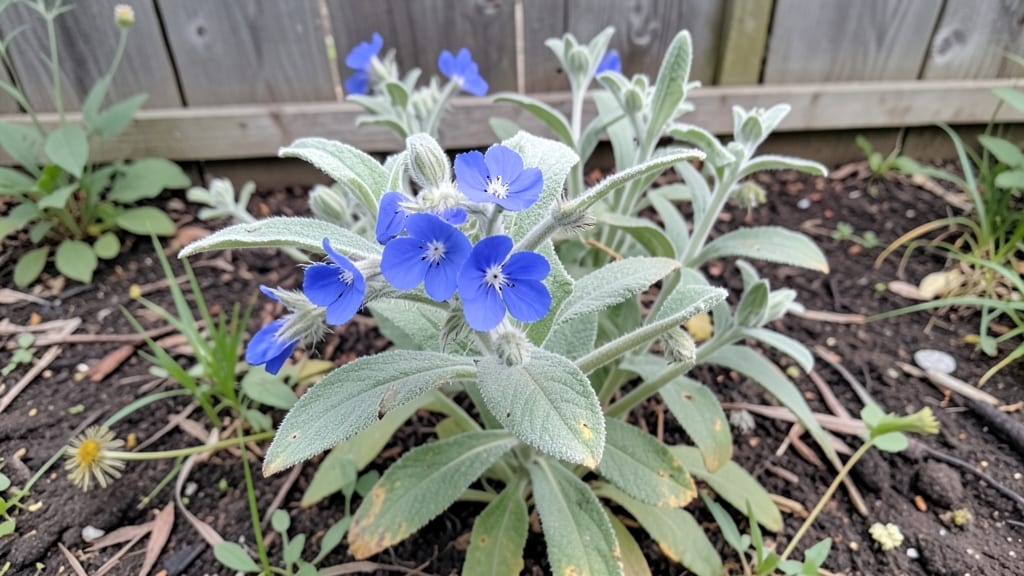
Harvesting borage seed pods turns this self-seeding annual into a zero-waste superstar—no more watching it bolt and die after flowering. 🌿 I’ve learned that the key is timing: those star-shaped pods turn from green to crisp brown when they’re ready, and once you master the harvest, you’ll have seeds for next year’s garden and a pantry staple.
The process is simpler than it looks—just snip the pods when they’re dry and brittle, then spread them in a warm, dry spot to finish curing. No fancy equipment needed, just a pair of scissors and a little patience.
A single plant can produce enough seeds to replant 50+ square feet of garden, so you’ll never buy borage again.
Once dried, you can store the seeds in paper envelopes for up to three years, or crush the pods fresh into oils for a nutrient-packed culinary boost.
The flowers are edible too, so nothing goes to waste—just like nature intended. Here’s exactly how to do it without losing a single seed.
Works for both gardeners and foragers—whether you’re growing borage for bees, salads, or self-sufficiency, this method keeps the cycle going. Let’s get those pods harvested before they scatter!
📚 In This Guide
- What you need
- Instructions
- Tips and common mistakes
- Wrapping up and next steps
What you need
- ● Borage plants: Start with organic, disease-free seeds or young seedlings (2–3 plants per harvest cycle). Pro tip: 💡 Choose heirloom varieties like ‘Blue Star’ for hardiness!
- ● Growing space: Full-sun location (6+ hours/day) in well-draining soil (pH 6.0–7.5).
- ○ Containers (optional): 5-gallon pots with drainage holes if gardening in small spaces.
- ● Compost/fertilizer: Balanced organic fertilizer (e.g., 10-10-10) or compost tea to boost growth.
- ● Watering supplies: Watering can or hose with a gentle spray nozzle (borage dislikes soggy roots!).
- ○ Drip irrigation kit (optional, for large gardens).
- ● Harvesting tools: Pruning shears (sharp, clean for clean cuts).
- ● Glove (lightweight, breathable—borage spines can prick!).
- ● Basket or mesh bag (5–10 gallon capacity for seed pods).
- ● Drying equipment: Paper towels or parchment paper (for air-drying pods).
- ○ Dehydrator (120–135°F setting, optional but speeds up drying).
- ● Trellis or stakes (6-foot tall) to support tall borage stems and improve airflow.
- ● Pest deterrents: Neem oil or row covers (for aphids or slugs).
- ● Food processor or mortar & pestle (for crushing dried seeds into oil or flour).
- ● Glass jars with airtight lids (quart-sized for storing seeds or infused oils).
- ● Label markers (to track harvest dates and varieties!).
Step-by-step instructions for harvesting borage seed pods
Here's how to turn your borage plants into a continuous seed source—no waste, just rewards.
🌱 Step 1: Identify and Select Mature Seed Pods
Look for pods that have turned from green to a papery brown color—this means they're fully mature and ready for harvest. I always pick in the morning after the dew dries, when the pods are crisp and easy to handle. Avoid pods with any signs of moisture or softness, as these may not store well.
Gently twist each pod at the base until it releases with a soft pop. If it resists, let it ripen another day or two. You'll know you've picked the right pods when they crumble slightly between your fingers. Collect them in a dry paper bag to keep them separate from any dampness.
✂️ Step 2: Dry the Seed Pods Thoroughly
Spread the harvested pods out on a clean, dry surface in a single layer. I use a wire rack or a piece of mesh screen to allow air to circulate freely on all sides. Place this setup in a warm, dry spot out of direct sunlight—like a sunny windowsill or a well-ventilated room.
Drying takes about 5-7 days, depending on your climate. The pods are ready when they feel completely dry and brittle. Test by gently squeezing one—if it crumbles easily with no moisture, they're fully dried. If they still feel slightly damp, give them another day or two.
🪴 Step 3: Extract and Store the Seeds
Once the pods are fully dry, place them in a clean, dry jar or paper bag and crush them gently with your fingers. The seeds will easily separate from the papery husk. I like to do this over a sheet of white paper so I can easily see when all the seeds have been extracted and nothing remains.
Store the seeds in an airtight container, like a small glass jar, in a cool, dark place. Label the jar with the date so you know how fresh they are. Properly stored, borage seeds can last up to 2 years without losing viability. If you notice any signs of mold or mustiness, discard the seeds immediately.
🌿 Step 4: Encourage Continuous Harvesting
To keep your borage plants producing seed pods year-round, simply trim back any spent flowers as soon as they fade. This encourages new blooms to form, which will eventually turn into more seed pods. I find that cutting back the plant by about one-third after the first flush of flowers promotes bushier growth and more abundant blooms.
In cooler climates, you might need to grow borage in containers and bring them indoors during winter. With consistent care, you'll have a steady supply of seed pods ready for harvest throughout the year. This method ensures you're not wasting a single part of your borage plant!
Tips & tricks for perfect borage seed pod harvesting
A few simple tricks will help you maximize your yield and ensure your borage seeds stay viable for years.
Timing Secret: Morning is the absolute best time to harvest those papery brown pods—right after the dew dries but before the heat of the day sets in. I've learned this the hard way after finding damp pods that wouldn't dry properly. The morning crispness makes them easier to twist off cleanly, and you'll avoid any accidental moisture absorption that could ruin your harvest.
Drying Strategy: While the 5-7 day drying window works perfectly, I've found that spreading pods on a mesh screen with good airflow underneath speeds up the process by about 24 hours. Just avoid direct sunlight—it can cause the delicate seeds inside to overheat. A well-ventilated pantry or sunny windowsill (with indirect light) works beautifully.
Storage Wisdom: That 2-year shelf life is amazing, but only if you store seeds properly! I always double-check my airtight containers by pressing down on the lid—it should create a slight vacuum seal. Add a small silica gel packet (the kind that comes with electronics) to absorb any lingering moisture. Trust me on this: preventing mold is worth the extra 30 seconds.
Continuous Harvesting: The one-third trim after the first flush of flowers is your secret weapon for year-round production. I mark my calendar 6 weeks after planting to do this first trim, then every 4-6 weeks thereafter. In cooler climates, move potted borage to a sunny indoor spot during winter—even a south-facing windowsill works wonders.
Pro Tips for Borage Seed Pods
- A few simple tricks will help you maximize your yield and ensure your borage seeds stay viable for years.
- Timing Secret: Morning is the absolute best time to harvest those papery brown pods—right after the dew dries but before the heat of the day sets in.
- Drying Strategy: While the 5-7 day drying window works perfectly, I've found that spreading pods on a mesh screen with good airflow underneath speeds up the process by about 24 hours.
Frequently asked questions
Got questions about harvesting and using borage seed pods? You’re not alone! Here are some of the most common queries—plus straightforward answers to help you make the most of your borage plants year-round.
When is the best time to harvest borage seed pods?
The ideal time to harvest borage seed pods is when they turn from green to a pale, papery brown—usually late summer to early fall. Wait until the pods are fully dry and crispy to the touch. Harvesting too early means unripe seeds, while waiting too long risks them popping open and scattering seeds everywhere. Pro tip: Use sharp scissors or pruners to snip pods cleanly to avoid damaging the plant.
How long does it take for borage seed pods to mature?
Borage seed pods typically mature in 60–90 days after flowering, depending on your climate. If you’re in a cooler region, pods may take longer (up to 120 days). Keep an eye on the flowers—once they wilt and the pods start forming, count back roughly 8–12 weeks to plan your harvest. Pro tip: Mark your calendar when you spot the first flowers to stay on track!
Can I save borage seeds from store-bought flowers?
Unfortunately, no—store-bought borage flowers are often treated with preservatives or harvested from plants that haven’t been allowed to produce seeds. For reliable seeds, grow your own borage plants from seed or source them from a trusted organic supplier. Pro tip: If you find a local farm selling borage seed pods, ask if they’re untreated for the best results!
What do I do if my borage pods split open before I can harvest them?
Don’t worry—this is totally normal! If pods split, simply collect the seeds by gently crushing the pods over a clean tray or paper bag. Spread the seeds on a dry surface to dry completely (1–2 days), then store them in a cool, dark place. Pro tip: Harvest pods in the morning when humidity is lower to minimize splitting.
Are there alternatives to borage seed pods for culinary or medicinal use?
Yes! If you can’t grow borage, try these alternatives:
- Starflower seeds (similar flavor, though milder)
- Borago officinalis leaves (young leaves are edible and have a cucumber-like taste)
- Chamomile or calendula flowers (for teas and garnishes)
- Fennel pollen (for a similar earthy, slightly sweet note in dishes)
Wrapping up and next steps
Borage seed pods are a gardener’s secret weapon—packed with zero-waste potential and year-round benefits! Whether you’re saving seeds, crafting natural dyes, or boosting your garden’s pollinator power, these little pods prove that sustainability and productivity go hand in hand. 🌱✨
Ready to dive deeper? Start small—plant a few borage seeds this season and experiment with their uses. Share your discoveries with fellow green thumbs, and watch how this humble plant transforms your space (and your waste stream!) into something extraordinary.