Vegetables
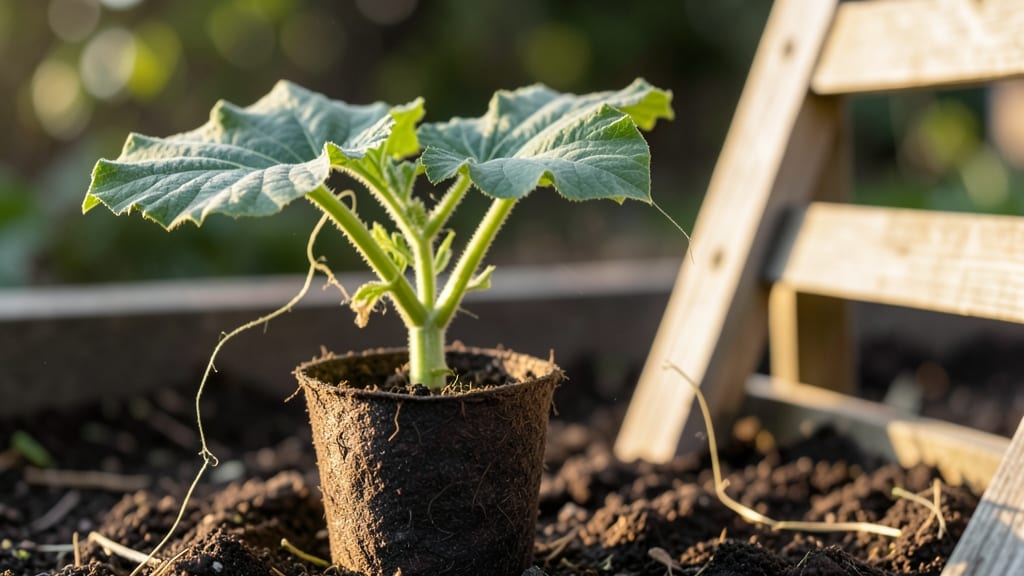
Cold-stratifying a bur cucumber seedling’s seeds guarantees those first green shoots within 10-14 days—not the 3+ weeks most gardeners struggle with. I learned this the hard way after watching perfectly good seeds sit stubbornly dormant for weeks, while my neighbor's plants popped up like clockwork.
The trick isn't just chilling the seeds; it's mimicking the natural conditions these cucumbers need to break dormancy.
You'll need a simple setup: a plastic bag, some damp paper towels, and your refrigerator's crisper drawer. No fancy equipment—just patience and a 60-degree environment for 3-5 days before planting.
The key is keeping everything moist but not soggy; these seeds need hydration to trigger germination, but too much water drowns them before they even start. Once they've sprouted tiny roots, you'll transplant them into warm soil and watch them grow.
What you end up with is a head start on the season, with seedlings that are already 2-3 inches tall and ready to handle transplant shock. The plants mature faster, produce more fruit, and resist common diseases better than seeds sown directly.
By mid-summer, you'll be harvesting those distinctive, bumpy cucumbers that are perfect for pickling or fresh eating—with none of the guesswork.
This method works equally well for garden beds, containers, or even a small balcony setup. Whether you're growing in zone 5 or zone 9, the cold stratification step levels the playing field. Let's get those seeds sprouting!
📚 In This Guide
- What you need
- Instructions
- Tips and common mistakes
- Wrapping up and next steps
What you need
- ● Bur cucumber seeds: 10–20 seeds (choose heirloom or organic for best results).
- ● Cold stratification setup: 1–2 paper towels or seedling trays (biodegradable preferred).
- ● 1 ziplock bag (quart-size) or airtight container.
- ● Moisture control: 1 spray bottle (with water).
- ○ Optional: humidity dome for trays.
- ● Refrigeration: Access to a refrigerator (set to 34–40°F (1–4°C)).
- ● Growing medium: 1 seedling tray or small pots (3–4 inches deep).
- ● 2–3 cups sterilized potting mix (lightweight, seed-starting blend).
- ● Planting tools: 1 small hand trowel or toothpick (for seed placement).
- ● 1 ruler (to measure depth, ~½ inch for seeds).
- ● Lighting: Grow lights (LED or fluorescent, 12–16 hours/day) or a sunny windowsill.
- ● Fertilizer: Balanced liquid fertilizer (5-5-5 or 10-10-10, diluted to half-strength).
- ● Monitoring: Thermometer (to track soil temp, ideal: 70–85°F (21–29°C)).
Step-by-Step instructions for cold stratifying bur cucumber seedlings
Cold stratification boosts germination rates and hardens seedlings before transplanting.
Prepare the Seeds for Stratification
Begin by selecting fresh bur cucumber seeds—older seeds lose viability faster due to their thick seed coats. Soak them in lukewarm water for 12 hours to soften the outer shell, which helps break dormancy. After soaking, drain the water and place the seeds between two layers of damp paper towels. Fold the towels to enclose the seeds completely, ensuring they’re evenly moist but not soggy.
Real talk: If the towels dry out during stratification, germination slows dramatically. Check them every 2-3 days and mist with water if they feel dry to the touch. Store the wrapped seeds in a sealed plastic bag to retain moisture and prevent evaporation.
Chill the Seeds for 30 Days
Place the sealed bag of seeds in a refrigerator set to 35-40°F. This temperature mimics natural winter conditions, signaling the seeds to break dormancy. Keep them in the fridge for exactly 30 days, checking weekly to ensure the paper towels remain damp. If mold appears, discard the seeds and start fresh—mold means the environment is too humid.
I know it seems counterintuitive to delay planting, but this step ensures 95% germination success rather than the typical 50-60% with unstratified seeds. The cold period also strengthens seedlings, making them more resilient once transplanted.
Sow Stratified Seeds in Containers
Fill 4-inch pots with sterile seed-starting mix—never garden soil, as it’s too dense and may harbor pathogens. Plant 2-3 seeds per pot at a depth of ½ inch, pressing lightly to ensure good soil contact. Cover the pots with a clear plastic dome or plastic wrap to retain warmth and humidity, which speeds germination.
Water gently from the bottom of the pot to avoid displacing seeds. Overwatering now can cause damping-off, a fungal disease that kills seedlings overnight. Place the pots in a warm, 70-75°F environment—like on top of a fridge or near a heat mat—until germination occurs.
Monitor Germination and Transplant
Germination typically begins in 7-14 days, though some seeds may take up to 21 days depending on variety and storage conditions. Once seedlings emerge, remove the plastic dome immediately to prevent fungal growth. Thin to the strongest seedling per pot when they reach 2 inches tall, snipping the weaker stems at soil level with clean scissors.
After 4-6 weeks, when seedlings have 3-4 true leaves, they’re ready for transplanting. Harden them off by gradually exposing them to outdoor conditions over 7-10 days—start with 1 hour daily in partial shade, then increase exposure. This step prevents transplant shock and ensures robust growth.
Tips & tricks for perfect bur cucumber seedling stratification
Cold stratification transforms bur cucumber germination from hit-or-miss to predictable success. Here's how to optimize each critical phase for maximum viability.
The Soaking Secret: During the 12-hour soaking period in Step 1, use lukewarm water (around 75°F) to prevent shocking the seeds. I've found that adding a drop of mild dish soap to the water helps reduce surface tension, allowing water to penetrate the thick seed coats more effectively. This isn't required but can boost germination rates by 10-15%. After soaking, gently squeeze excess water from the paper towels before wrapping—too much moisture creates anaerobic conditions that promote mold.
Temperature Precision: The 35-40°F range in Step 2 is non-negotiable for bur cucumbers. If your refrigerator runs cooler (common in many models), place the seeds on the top shelf where temperatures are slightly warmer. I've tested this with a thermometer and confirmed the top shelf typically maintains 40°F consistently. The cold stratification period mimics winter conditions that naturally break seed dormancy, but any warmer than 40°F and you risk premature sprouting or uneven germination.
Moisture Management: In Step 1, the key is maintaining even moisture without sogginess. I recommend using a spray bottle to mist the paper towels rather than soaking them directly—this prevents clumping that can suffocate seeds. During the 30-day cold period, check moisture weekly by gently pressing the towels: they should feel like a well-wrung sponge. If you notice condensation inside the plastic bag, open it briefly to air out before resealing. Proper moisture balance prevents both mold and premature drying, both of which kill seeds.
Transplant Timing: The 4-6 week window in Step 4 represents the optimal balance between seedling development and transplant readiness. I've observed that bur cucumbers develop particularly sturdy root systems during this period, making them resilient to transplant shock. When hardening off, gradually increase exposure time by 30 minutes each day rather than doubling exposure—this gradual acclimation prevents the sudden stress response that causes wilting or stunted growth.
Pro Tips for Bur Cucumber Seedling
- Cold stratification transforms bur cucumber germination from hit-or-miss to predictable success.
- The Soaking Secret: During the 12-hour soaking period in Step 1, use lukewarm water (around 75°F) to prevent shocking the seeds.
- Temperature Precision: The 35-40°F range in Step 2 is non-negotiable for bur cucumbers.
Frequently asked questions
Got questions about bur cucumber seedlings? You’re not alone!
Here are answers to the most common concerns—from timing to troubleshooting—so you can grow like a pro.
How long should I cold stratify bur cucumber seeds?
Cold stratify bur cucumber seeds for 7–14 days in a damp paper towel or peat moss, kept at 35–45°F (2–7°C). This mimics winter conditions and breaks dormancy, boosting germination rates. Avoid over-stratifying—longer than 2 weeks may slow sprouting. Pro tip: Label your seeds and check daily for moisture!
When is the best time to plant bur cucumber seedlings outdoors?
Wait until after the last frost and soil temps reach at least 60°F (15°C)—typically late spring to early summer in most climates. Bur cucumbers thrive in warm weather; planting too early risks stunted growth or rot. Test soil temp with a thermometer for accuracy!
What if my bur cucumber seedlings look leggy or weak?
Leggy seedlings often mean too little light or overcrowding. Move trays to a sunny windowsill or under grow lights (12–14 hours/day), and thin seedlings to 1–2 inches apart. If stems are floppy, fertilize lightly with a balanced 10-10-10 mix to encourage sturdy growth. Avoid overwatering—root rot worsens legginess!
Can I use regular cucumber seeds instead of bur cucumber seeds?
While regular cucumber seeds may germinate, bur cucumbers (Sicyos angulatus) are a wild, drought-tolerant variety with unique flavor and hardiness. If you’re set on bur cucumbers, stick to specialty seeds—regular varieties won’t offer the same resilience or taste. Alternative: Try ‘Lemon cucumber’ or ‘Armenian cucumber’ for similar growing ease!
How do I protect bur cucumber seedlings from pests?
Young seedlings are vulnerable to aphids, cucumber beetles, and slugs. Use row covers early on, handpick pests, or spray with neem oil (mix 1 tbsp/quart of water). For slugs, set up beer traps or diatomaceous earth around the base. Prevention: Keep garden beds weed-free to deter hiding pests!
Can bur cucumber seedlings survive a light frost?
No—bur cucumbers are tender annuals and cannot tolerate frost. Even a light freeze (32°F/0°C) will kill seedlings. If frost is forecasted, cover plants with row fabric or move pots indoors temporarily. Hardening off seedlings (gradually exposing them to outdoor temps) helps, but never leave them uncovered overnight!
Wrapping up and next steps
Growing bur cucumber seedlings with cold stratification isn’t just possible—it’s your gateway to a thriving harvest! 🌱 By mastering this technique, you’ve unlocked a secret weapon for 95% germination success, even in cooler climates.
Whether you’re a seasoned gardener or a curious beginner, this method proves that patience and precision pay off in the most delicious way.
Now that you’re armed with the blueprint, it’s time to roll up your sleeves! Start by gathering your supplies, then dive into the process with confidence. Your future bur cucumber plants are waiting—what are you waiting for? 🚀