
Trees
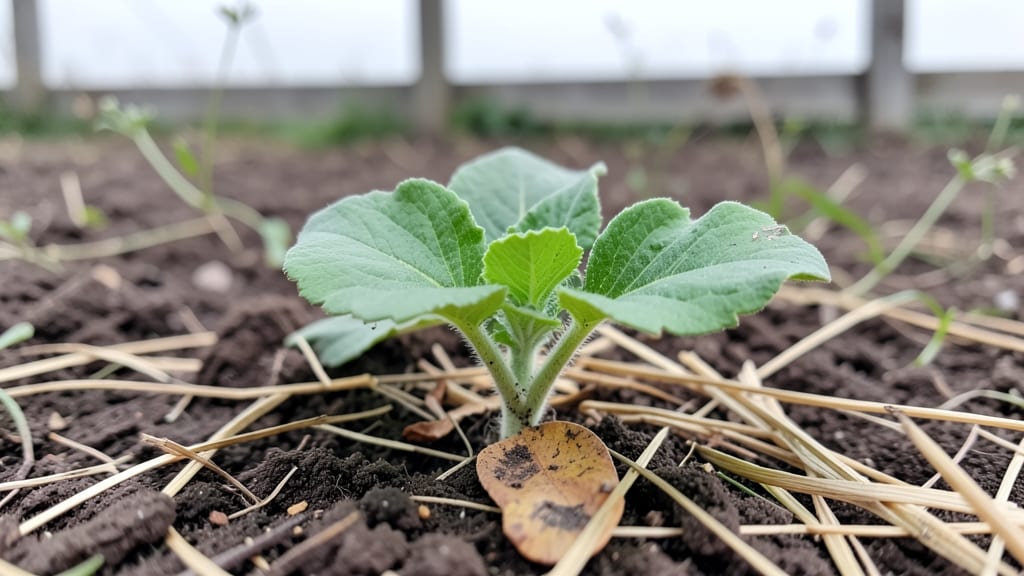
Mastering calendula seedling identification early ensures you’ll spot those telltale round, lobed leaves—like tiny maple leaves—in pairs along the stem, not the single, jagged edges of marigolds. These baby plants also grow slow but steady, with a slightly fuzzy texture that sets them apart from other common seedlings.
Confusion often comes from marigolds, which have similar yellow-orange hues but skinnier, more pointed leaves that grow in a rosette pattern. Calendula seedlings also develop a thicker, sturdier stem early on, while marigolds stay leggy until later.
I once pulled up what I thought were calendulas—only to realize they were marigolds after they bloomed! A quick leaf inspection at the seedling stage prevents that mistake.
Healthy calendula seedlings should have vibrant green leaves with no yellowing or browning at the edges. If you notice dark spots or stunted growth, it might signal damping-off or overwatering.
The key is proper spacing—they need about 12 inches apart at maturity, but even as seedlings, give them room to breathe. Thin them carefully to avoid damaging roots.
Once you’ve confirmed their identity, these seedlings will reward you with bold, cheerful blooms all season long. The earlier you spot them, the sooner you can give them the care they need—whether that’s moving them to a sunny spot or protecting them from pests. Let’s get those seedlings thriving!
What Triggers Misidentification
Identifying calendula seedlings at first glance can be tricky, especially if they’re confused with other plants like marigolds or young dandelions. Missteps often stem from a mix of environmental factors, biological traits, and human error.
Understanding these causes helps you spot seedlings correctly and avoid costly mistakes in your garden. Here’s why misidentification happens—and how to avoid it.
Calendula seedlings are notoriously small and delicate in their early stages, making them easy to overlook or mistake for weeds.
- Tiny Cotyledons: Calendula’s first leaves (cotyledons) are round and smooth, but they closely resemble those of other brassicas or even mustard greens. Without close inspection, they can blend into the soil, especially in dense planting beds.
- Slow Unfolding: True leaves (the second set) take 7–14 days to emerge and may start as narrow, lance-shaped leaves. If you’re not checking seedlings daily, you might miss this transition and assume they’re a different plant entirely.
- Color Confusion: Young calendula leaves are a muted greenish-yellow, not the vibrant orange or yellow associated with mature blooms. This subtle hue can make them appear dull or sickly, leading gardeners to discard them.
Pro Tip: 🔍 Use a magnifying glass or a seedling tray with clear dividers to monitor growth up close. Snap a photo of early stages for reference!
Calendula isn’t the only plant with deceptive early traits. Several look-alikes can derail your identification efforts.
| Plant | Key Similarity | How to Tell Apart |
|---|---|---|
| French Marigold (Tagetes) | Both have fern-like foliage and similar growth habits. | Marigolds have toothed, serrated edges on leaves, while calendula leaves are smooth with a slight waxy sheen. Also, marigold stems are more hairy. |
| Dandelion (Taraxacum) | Early rosette stage can mimic calendula’s broad leaves. | Dandelion leaves are deeply lobed and jagged, while calendula leaves are entire or slightly wavy. Check for milk-like sap in dandelions. |
| Mustard Greens (Brassica spp.) | Round cotyledons and rapid growth can fool gardeners. | Mustard seedlings have a stronger, peppery aroma when crushed. Calendula smells mildly herbal. |
Pro Tip: 🌡️ Press a leaf between your fingers—calendula releases a faint, citrusy scent when bruised, while marigolds smell spicy!
Stress from weather, soil, or light conditions can alter calendula seedlings’ appearance, making them harder to recognize.
- Overcrowding: If seedlings are too close together, they’ll stretch toward light (etiolation), producing long, leggy stems with pale leaves. This can make them resemble weak marigold seedlings.
- Temperature Fluctuations: Chilly nights (<50°F/10°C) slow growth and cause purpling in stems or leaves—a trait shared with stressed brassicas like kale.
- Poor Drainage: Waterlogged soil leads to yellowing leaves (chlorosis) or blackened stems, mimicking disease or pest damage. This can make gardeners assume the seedlings are dead or infected.
- Light Deficiency: Shady conditions produce smaller, darker leaves with less vibrant color, making them harder to distinguish from weeds like chickweed.
Pro Tip: ✨ Use a heat mat (70–75°F/21–24°C) for germination and thin seedlings to 12–18 inches apart to prevent competition.
Even the most experienced gardeners can misidentify seedlings if they’re not paying attention to key details.
- Skipping the “True Leaf” Check: Many gardeners rely on cotyledons alone, but these don’t define the plant. Calendula’s second set of leaves are the real giveaway—they’re lance-shaped with a slightly curved tip.
- Ignoring Growth Patterns: Calendula grows in a basal rosette (leaves radiating from the ground) before bolting. If you’re only checking the top of seedlings, you might miss this trait.
- Rushing the Process: Calendula takes 4–6 weeks to flower from seed. If you’re impatient and pull “weeds” too soon, you might yank out your future blooms!
- Assuming by Location: Planting calendula in a sunny border doesn’t guarantee it won’t cross with marigolds or other flowers. Always verify before thinning.
Pro Tip: 📅 Mark your calendar! Calendula seedlings hit the 4-leaf stage in ~2 weeks—this is the best time to confirm ID.
Quick fixes for common seedling struggles
If your calendula seedlings aren’t thriving, don’t panic—most issues have simple, actionable solutions. Below, we’ve mapped common problems to practical fixes, so you can get your little orange-and-yellow sprouts back on track. Plus, we’ll share prevention tips to keep future batches healthy!
When seedlings compete for space, they weaken, leading to pale leaves or leggy stems. Here’s how to fix it:
🔥 Step 1: Thin Them Out
- Use clean scissors or your fingers to gently remove weaker seedlings, leaving the strongest ones (look for vibrant color and sturdy stems).
- Pro Tip: 💡 Snip at soil level to avoid disturbing roots of nearby plants.
👨🍳 Step 2: Repot or Space Them
- If seedlings are too close in trays, transplant them into individual pots (2–3 inches apart) or a larger container with well-draining soil.
- Prevention: 🎯 Start with proper spacing (¼ inch apart) when sowing seeds to avoid overcrowding.
This fungal disease attacks young seedlings, causing stems to collapse. Act fast to save your crop!
🍳 Step 1: Remove Affected Seedlings
- Pull out any seedlings with blackened or mushy stems immediately to prevent spread.
- Warning: ⚠️ Do not compost infected plants—dispose of them in the trash.
🔪 Step 2: Boost Airflow & Sterilize Tools
- Thin seedlings further to improve airflow.
- Water at the base (not overhead) and use a fan on low to dry leaves faster.
- Prevention: 🌡️ Sterilize trays and tools with a 10% hydrogen peroxide solution (1 part peroxide to 9 parts water) before reuse.
Seedlings stretch toward light but become top-heavy and flop over. Fix it with these adjustments:
🔥 Step 1: Provide Better Light
- Move seedlings to a south-facing window or under grow lights (12–16 hours/day).
- Quick Fix: 💡 Flip trays daily so all sides get even light exposure.
⏰ Step 2: Adjust Watering
- Overwatering causes legginess. Let the top inch of soil dry out between waterings.
- Prevention: ✨ Use a moisture meter or stick your finger in the soil to check before watering.
Bugs like aphids or spider mites love tender calendula seedlings. Here’s how to evict them:
🐞 Step 1: Inspect & Identify
- Check undersides of leaves for tiny insects. Common culprits:
- Aphids: Sticky residue (honeydew) on leaves.
- Spider mites: Fine webbing on stems.
🚿 Step 2: Treat Gently
- Neem oil spray: Mix 1 tsp neem oil + 1 tsp mild soap + 1 quart water. Spray leaves thoroughly (repeat every 5–7 days).
- Water spray: Blast pests off with a strong stream of water.
- Prevention: 🌿 Introduce beneficial insects like ladybugs or release predatory mites if mites are present.
Calendula seedlings prefer warmth (60–75°F). If temps dip or spike, they’ll struggle.
🔥 Step 1: Adjust Your Growing Setup
- Too cold? Move seedlings to a warmer spot (e.g., near a heat mat or sunny window).
- Too hot? Provide shade cloth (30–50% coverage) to prevent scorching.
- Prevention: 🌡️ Use a seedling heat mat (70–75°F) if starting indoors in cool climates.
Seedlings need balanced nutrients. Fix deficiencies with these targeted solutions:
| Symptom | Likely Cause | Fix |
|---|---|---|
| Yellow lower leaves | Nitrogen deficiency | Add a balanced fertilizer (5-5-5) or compost tea. |
| Purple stems/leaves | Phosphorus deficiency | Use a phosphorus-rich fertilizer (e.g., bone meal) or fish emulsion. |
| Yellow edges on leaves | Potassium deficiency | Apply wood ash or a potassium-rich fertilizer (e.g., kelp meal). |
💡 Prevention Tip:
- Start with nutrient-rich soil: Mix compost or worm castings into seed-starting mix before planting.
- Avoid over-fertilizing: Young seedlings can burn with too many nutrients—start with half-strength fertilizer.
With these fixes, your calendula seedlings should bounce back in no time! 🌿 Remember, consistency is key—monitor light, water, and pests regularly to keep them thriving. Happy growing!
Frequently asked questions
How do I tell calendula seedlings apart from marigold seedlings?
Look at the leaf edges—calendula leaves are smooth with slightly wavy margins, while marigolds have toothed, serrated edges. Calendula stems are also less hairy than marigolds. Check for true leaves (second set) which are lance-shaped with a curved tip in calendula.
What’s the best time to transplant calendula seedlings?
Wait until they have 4-6 true leaves and are at least 2-3 inches tall. This usually takes 3-4 weeks after germination. Harden them off for 5-7 days before moving to the garden to prevent shock.
Why are my calendula seedlings turning yellow?
Yellowing leaves usually mean overwatering or nutrient deficiency. Check soil moisture—it should dry slightly between waterings. For nitrogen deficiency, add compost tea or a balanced fertilizer. If edges are brown, it may be potassium deficiency.
Can I grow calendula seedlings indoors without grow lights?
Yes, but place them in the sunniest window (south-facing). Rotate trays daily for even growth. If leaves look stretched or pale, supplement with a LED grow bulb for 12-14 hours/day. Avoid cold drafts near windows.
How close can I plant calendula seedlings together?
Start with 1-2 inches apart in trays, then thin to 12-18 inches apart in the garden. Overcrowding causes leggy growth and increases disease risk. Use clean scissors to avoid disturbing roots when thinning.