
Planting
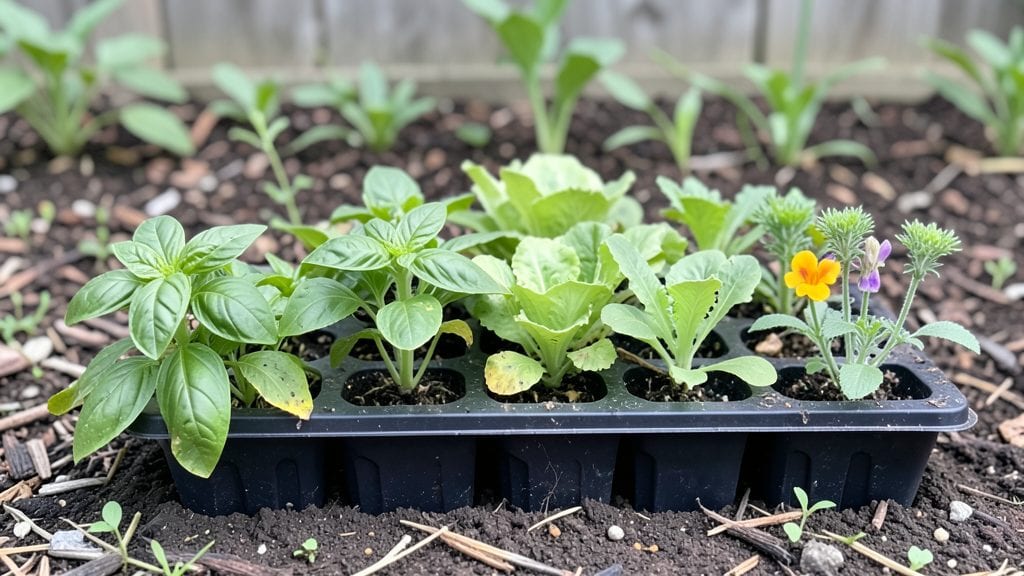
Mastering plant seedling identification by their first leaves will spare you the heartache of yanking up the wrong plants—especially after you’ve prepped the soil and staked the rows. 🌱 I’ve pulled up enough mislabeled seedlings to know how frustrating it is.
The key is focusing on leaf shape, stem texture, and growth patterns, which reveal a plant’s identity before it even looks like the mature version you’re expecting.
Most seedlings fall into three broad categories based on their first true leaves: simple leaves (single, undivided blades), compound leaves (multiple leaflets), or lobed leaves (like maple or oak). For example, tomato seedlings have oval, slightly serrated leaves, while pepper seedlings show up with broader, smoother edges.
A magnifying glass and a good light source become your best friends here—details like vein patterns or hairiness on stems can make all the difference between a thriving harvest and a disappointing transplant.
Once you recognize these visual cues, you’ll spot common mistakes before they become costly. I’ve accidentally pulled up basil thinking it was dill, or vice versa, because their early leaves look eerily similar. But with practice, you’ll start noticing the subtle differences that make identification second nature.
This skill alone cuts down on wasted space, wrongly labeled plants, and the heartbreak of giving up on a seedling you thought was something else entirely.
Even experienced gardeners double-check seedlings against a trusted guide or app, especially when dealing with heirloom varieties or tricky lookalikes.
The more you practice, the faster you’ll spot the early signs of disease or nutrient deficiencies too—like yellowing leaves or stunted growth—which can be just as important as nailing the species. Let’s get you confident enough to tell your seedlings apart at a glance.
📚 In This Guide
- What you need
- Instructions
- Tips and common mistakes
- Wrapping up and next steps
What you need
- ● Magnifying glass (3x–10x magnification) – For close-up inspection of tiny leaves and details.
- ● Ruler or measuring tape (metric/imperial) – To measure leaf size and spacing (accuracy within 0.5 cm).
- ● Field notebook or smartphone – For sketching leaf shapes, noting colors, and logging growth stages.
- ● Plant identification book or app (e.g., GrowVeg, PlantNet, or The New Sunset Western Garden Book) – Digital or physical references for cross-checking.
- ○ Camera (optional but helpful) – A smartphone with a macro lens or a compact camera for high-res photos of seedlings.
- ● Gloves (nitrile or cotton) – Protects hands from soil, sap, or prickly stems (e.g., thistles or raspberries).
- ● Sunlight or bright LED grow light – Ensures accurate color assessment (natural light is ideal; avoid harsh shadows).
- ● Flat surface (table, tray, or ground) – For arranging seedlings side by-side for comparison.
- ● Small trowel or tweezers – Gently dig up seedlings (if needed) without damaging roots.
- ● Water spray bottle – Lightly mist soil to reveal hidden details (e.g., root structure or underside of leaves).
- ● 🌡️ Timing matters: Identify seedlings in the morning when leaves are turgid (full of water) for clearer shapes.
- ● ✨ Label samples: Use toothpicks or tags to mark seedlings you’re studying to avoid mix-ups.
- ● 📊 Compare stages: Have a reference chart of common seedling growth stages (e.g., cotyledon, first true leaves, rosette) handy.
Step-by-Step guide to identifying seedlings by leaf shape
Mastering seedling identification starts with understanding leaf patterns—here's how to tell them apart.
🌱 Step 1: Examine the Cotyledons First
The first leaves (cotyledons) appear before true leaves and often hold identification clues. Broad, rounded cotyledons usually indicate dicots like tomatoes or peppers, while narrow, grass-like cotyledons signal monocots like corn or wheat. Hold the seedling at eye level in bright light—this reveals subtle differences in texture and shape.
Dicot cotyledons often feel slightly fuzzy or smooth, while monocot cotyledons may have parallel veins. If you're unsure, compare the seedling to known reference images—cotyledon shape rarely lies. Remember, these initial leaves don't photosynthesize like true leaves, so focus on their structural clues rather than color.
🌿 Step 2: Count and Observe True Leaf Development
True leaves emerge after cotyledons and reveal the plant's identity. Count the number of leaf pairs—monocots typically produce single leaves at each node, while dicots develop opposite or alternate pairs. Observe the leaf arrangement: spiraled leaves suggest herbs like basil, while opposite leaves often indicate mint family plants.
Look for vein patterns next—net-like veins appear in dicots (tomatoes, peppers), while parallel veins dominate monocots (onions, grasses). Hold a magnifying glass to the underside of leaves; some seedlings show distinctive hair patterns or glandular spots that confirm their species. This stage is where most misidentifications happen, so take your time.
☀️ Step 3: Analyze Growth Habits and Stem Structure
Seedling stems provide crucial clues. Square stems with opposite leaves usually mean mint family plants, while hairy stems often indicate tomatoes or peppers. Examine the leaf edges—smooth edges suggest lettuce, while serrated edges point to parsley or cilantro.
Observe how the plant grows: vining seedlings (like cucumbers) show tendrils early, while bushy types (like basil) develop compact growth. Check for any early flowers—this immediately reveals mature plants like nasturtiums or snapdragons. The key here is to correlate all observations: no single feature confirms identification alone.
⏰ Step 4: Compare with Known Growth Stages
Cross-reference your observations with seedling growth charts. Most plants follow predictable stages: cotyledons → true leaves → stem thickening → flowering. Note how quickly the seedling grows—fast growers like radishes develop true leaves in 7-10 days, while slow growers like tomatoes take 3-4 weeks.
If you're still unsure, wait 5-7 days and observe new growth—some seedlings only reveal their true nature at the third or fourth leaf stage. Keep a small notebook with sketches of key features; over time, you'll recognize patterns that distinguish similar-looking seedlings like chives vs. garlic chives.
✂️ Step 5: Verify with Root and Soil Clues
Gently remove the seedling from its container to examine the root structure. Taproots (like carrots) show a single thick root, while fibrous roots (like grasses) spread evenly. Check the soil surface for any emerging runners or bulbs—onion seedlings develop small purple bulbs at this stage.
Smell the leaves if possible—mint family seedlings often emit a faint aromatic scent even at the seedling stage. The combination of leaf shape, stem structure, and root type usually provides enough information to make a confident identification. When in doubt, consult a local nursery expert—they've seen thousands of seedlings and can often spot what you're missing.
Tips & tricks for mastering seedling identification
Here's how to elevate your seedling identification skills beyond the basics—these insights will help you spot subtle clues that make all the difference.
Lighting is Everything: Natural daylight is your best friend for seedling identification. Place seedlings near a bright window or use a magnifying lamp to reveal vein patterns and subtle textures that aren't visible under artificial light. I've made the mistake of judging seedlings under dim lighting—it's like trying to read a book in the dark. The key differences often appear in how light reflects off leaf surfaces. For tricky identifications, try both morning and afternoon light—the angle can reveal different details.
Leaf Arrangement Patterns: Pay close attention to how leaves attach to the stem in Step 2. While most people focus on leaf shape, the arrangement (alternate, opposite, or whorled) is often the definitive clue. Mint family plants always have opposite leaves, while most herbs like basil show alternate or spiraled patterns. I keep a small reference chart near my seedling tray with common arrangements—it's saved me from countless misidentifications. The spacing between nodes (internodes) can also indicate maturity level, with longer internodes suggesting faster-growing plants.
Root Examination Technique: When you examine roots in Step 5, don't just look—touch them. Taproots should feel firm and thick, while fibrous roots will spread out like a network. I've found that gently brushing soil away with your fingers reveals more details than digging with tools. For delicate seedlings, I use a small spoon to carefully expose roots without damaging them. Remember that some plants like onions develop visible bulbs at this stage—this is your smoking gun for identification.
Growth Rate Tracking: The timing mentioned in Step 4 is crucial but often misunderstood. Fast growers like radishes (7-10 days) develop true leaves quickly, while tomatoes (3-4 weeks) take their time. I recommend marking each seedling's planting date on a small tag—this helps track expected growth stages. Some seedlings only reveal their true nature at the third or fourth leaf stage, so patience is key. For particularly tricky identifications, I'll wait the full 5-7 days mentioned before making a final call, especially with similar-looking seedlings like chives versus garlic chives.
Pro Tips for Plant Seedling Identification
- Here's how to elevate your seedling identification skills beyond the basics—these insights will help you spot subtle clues that make all the difference.
- Lighting is Everything: Natural daylight is your best friend for seedling identification.
- Leaf Arrangement Patterns: Pay close attention to how leaves attach to the stem in Step 2.
Frequently asked questions
How do I tell if a seedling is healthy or diseased?
A healthy seedling has vibrant, firm leaves with no yellowing (chlorosis) or brown spots. Check for strong stems, balanced growth, and no wilting. Diseased seedlings may show mold, holes, or sticky residue. If you spot issues, isolate the plant and research common pests (like aphids) or fungal infections for targeted solutions.
When is the best time to identify seedlings for transplanting?
Identify seedlings 2–4 weeks after germination, when they’ve developed their first true leaves (not the initial seed leaves). This stage ensures roots are sturdy enough for transplanting. Avoid waiting too long—overgrown seedlings may struggle to adapt. Pro tip: Use a small trowel to gently lift seedlings for closer inspection!
Can I identify seedlings just by leaf shape alone?
Leaf shape is a great starting point, but combine it with other traits like stem texture, growth pattern, and flower buds (if present). For example, tomato seedlings have serrated leaves, while pepper seedlings are smoother. Cross-reference with a visual guide or seed packet for accuracy.
What if my seedlings look identical—how do I distinguish them?
Compare growth speed, leaf arrangement, and color. For instance, basil grows quickly with broad leaves, while parsley is slower with lacy foliage. Label seedlings at planting or use a seedling identification chart to track differences. Snap photos daily for reference!
My seedlings are leggy—how can I fix this?
Leggy seedlings (tall, weak stems) often result from lack of light. Move them to a sunny window or under grow lights (12–16 hours/day). Bury stems deeper when transplanting to encourage root growth. Avoid overwatering, which can weaken stems further.
Wrapping up and next steps
Mastering plant seedling identification is your first step toward nurturing thriving greenery! By recognizing leaf shapes, growth stages, and key features, you’ll confidently distinguish seedlings and give them the care they deserve. 🌱
Ready to put your new skills to work? Start by planting a few identified seedlings in your garden or windowsill—watch them grow and enjoy the rewarding journey of gardening!