Trees
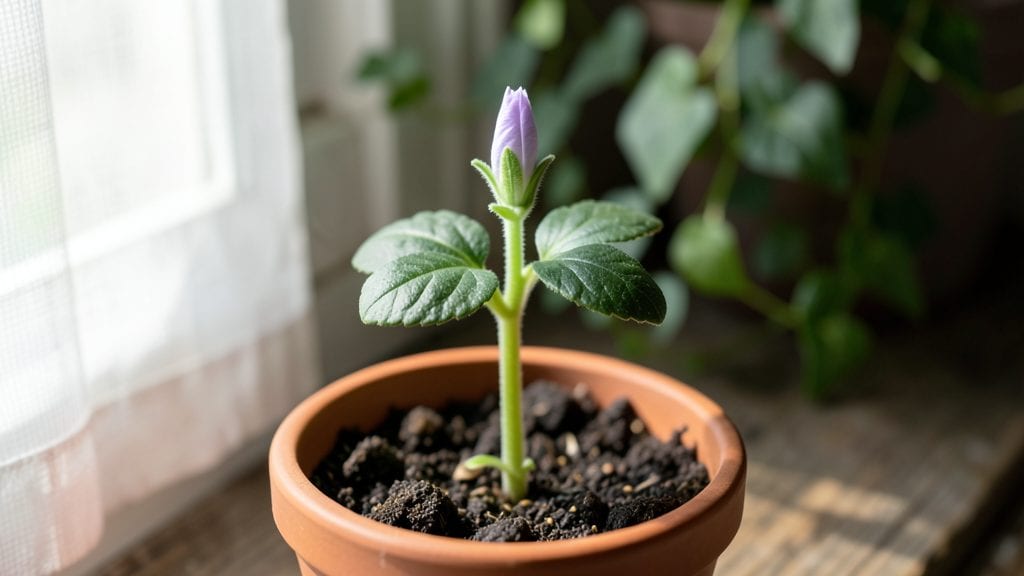
Mastering petunia seedling identification early means sparing yourself the heartache of yanking out the wrong plants later—trust me, those first leaves hold all the clues. ✨ I’ve spent years sorting through trays of seedlings, and the key is those first leaves—they’re your roadmap to what’s coming next.
A single glance at the leaf edges, color, and spacing tells you whether you’ve got a grandiflora, multiflora, or trailing variety before the flowers even appear.
The real game-changer? Healthy seedlings have dark green, slightly fuzzy leaves with a sturdy stem—nothing leggy or yellowing. Multiflora types often show rounded leaves with serrated edges, while grandifloras start with broader, smoother leaves.
Trailing varieties might have slightly narrower leaves, giving you a hint of their future sprawl. I’ve learned to trust these early clues over guesswork, and it’s cut my transplant mistakes by half.
Once you spot the right shapes, you’ll know exactly which seedlings to keep for your garden beds or containers. Proper spacing now means fewer crowded plants later, and those early-care tips—like keeping them in bright light and watering at the soil level—make all the difference.
The payoff? A summer of blooms that match your vision, not a mix of surprises.
This works for both store-bought seedlings and your own starts, whether you’re growing in flats or individual pots. The same rules apply—just adjust your light and watering as the plants grow. Let’s get those seedlings sorted right from the start!
What Triggers Confusion in Seedlings
Identifying petunia seedlings can feel like solving a botanical puzzle—especially when tiny leaves and subtle color shifts throw you off. Misidentification often stems from a mix of natural growth patterns, environmental stress, and even human error.
Understanding the root causes helps you spot the differences before your seedlings outgrow their early-stage clues.
Petunia seedlings start with cotyledons—those first two simple leaves that emerge after germination. These aren’t true leaves yet, and their shape (often round or oval) bears little resemblance to the mature foliage.
As seedlings grow, the first true leaves appear, but they can look drastically different from adult petunia varieties due to:
- Juvenile morphology: Young plants prioritize root and stem growth over leaf complexity. Petunias bred for ruffled edges or lobed leaves may start as smooth, simple shapes before developing their signature traits.
- Slow chlorophyll production: Early leaves often appear darker or paler than mature ones because the plant hasn’t yet optimized photosynthesis. A deep purple or bronze hue in seedlings can fade to bright green as they mature.
- Genetic timing: Some hybrids (like Surfinia or Wave petunias) take 4–6 weeks to show their full leaf structure. If you’re comparing seedlings to catalog images of mature plants, you might miss the transformation.
Actionable tip: Wait until seedlings produce their third set of true leaves (usually 2–3 weeks after the first true leaves appear) before attempting identification. Use a magnifying glass to compare leaf edges and vein patterns.
Heat, light fluctuations, and moisture extremes can distort leaf shape and color, making seedlings look like a different variety. Common stressors include:
| Stressor | Effect on Seedlings | How to Fix It |
|---|---|---|
| 🔥 Overheating (above 85°F/30°C) | Leaves may cup upward, turn yellow at edges, or develop crinkled margins (mistaken for ruffled varieties). | Provide shade cloth (30–50%) and bottom heat (70–75°F/21–24°C) for consistent growth. |
| 💧 Underwatering | Leaves appear dull gray-green or develop a waxy sheen, mimicking disease-resistant hybrids. | Keep soil evenly moist (not soggy) and use a humidity dome for the first 2 weeks. |
| ☀️ Inconsistent light (e.g., north-facing windowsills) | Seedlings grow tall and leggy with small, pale leaves, resembling Wave petunias when they’re actually Grandiflora. | Use grow lights (12–16 hours/day) 2–3 inches above seedlings. |
Pro tip: Take photos of seedlings under identical lighting every 3–4 days. Stress-induced changes often reverse within a week if conditions improve.
Petunia seeds—especially those from open-pollinated or heirloom varieties—can produce seedlings that don’t match the parent plant. Here’s why:
- Cross-pollination: If you grow multiple petunia colors in the same area, bees or wind can transfer pollen, creating unpredictable hybrids. For example, a purple petunia might produce a seedling with lavender-streaked leaves.
- Inconsistent seed sources: Budget seeds or those labeled "mixed colors" often contain multiple varieties in one packet. A seedling with lobed leaves might be a Multiflora petunia, while its sibling with smooth edges is a Grandiflora.
- False advertising: Some seed companies use photoshopped images of mature plants for packaging. A seedling’s first leaves may look nothing like the blooms promised.
Solution: If you’re serious about variety accuracy, opt for F1 hybrid seeds (marked "hybrid" or "F1") or start with cloned cuttings from known plants. For mixed seeds, label each seedling by position in the tray and track its progress.
Your brain plays tricks on you when identifying seedlings. Poor lighting or comparing them to blooming plants (not seedlings) leads to mistakes. Common pitfalls:
- Shadow distortion: Seedlings grown under south-facing windows may develop uneven coloration—one side looks green, the other purple—making them seem like a different variety.
- Bloom vs. leaf confusion: You might assume a seedling’s purple stem means it’s a dark purple-flowered petunia, when it’s actually a light pink variety with anthocyanin pigment in its stems.
- Size comparison: A large-leafed seedling might look like a tropical petunia, but it could just be a young Grandiflora that hasn’t filled out yet.
Fix it: Use a white balance card (or plain white paper) near seedlings when photographing them. Compare seedlings to other seedlings of the same age, not mature plants.
Quick fixes for seedling confusion
Identifying petunia seedlings can feel like solving a puzzle—especially when tiny leaves and subtle color differences make varieties hard to tell apart. But with the right approach, you can quickly resolve common issues and prevent future mix-ups.
Below, we’ve broken down the most frequent challenges and their solutions, so you can confidently grow the petunias you love.
If your seedlings all seem identical at first glance, don’t panic—it’s a common early-stage hurdle. The key is to focus on subtle differences in leaf shape, color, and growth patterns.
✨ How to Tell Them Apart
- 📏 Examine Leaf Shape: Use a magnifying glass to spot variations in serration, lobing, or overall leaf structure. For example:
- Grandiflora varieties often have slightly broader, smoother leaves.
- Multiflora types may show finer, more jagged edges.
- 🌈 Check Color Gradients: Hold seedlings up to natural light to compare subtle hues in stems, veins, or undersides. Some varieties have faint purple or bronze undertones.
- 📅 Track Growth Speed: Measure seedlings weekly. Faster-growing plants might belong to hybrid or larger-flowered types.
💡 Pro Tip: Snap a photo of each seedling with a ruler for scale. Over time, you’ll spot patterns that distinguish varieties.
If your seedlings aren’t living up to the parent plant’s promise, environmental factors or genetic quirks might be at play. Here’s how to troubleshoot:
🌡️ Fix Temperature or Light Issues
- Problem: Slow growth or odd coloring can stem from inconsistent light or temperature swings.
- Solution:
- 🔥 Keep temps steady between 65–75°F (18–24°C) during the day and no lower than 55°F (13°C) at night.
- ☀️ Provide 12–16 hours of bright, indirect light daily. Use a grow light if natural light is weak.
- 💧 Avoid cold drafts near windows or doors, which can stunt development.
🌱 Adjust Fertilizer for True Variety Traits
- Problem: Over- or under-fertilizing can mask a seedling’s true characteristics.
- Solution:
- Use a balanced, water-soluble fertilizer (like 10-10-10) at half-strength once seedlings have 2–3 true leaves.
- ⏰ Wait until after transplanting to apply phosphorus-heavy formulas (e.g., 5-10-10) to encourage blooming traits.
- ⚠️ Avoid high-nitrogen feeds early on—they promote leafy growth over floral traits.
🎯 Prevention Tip: Label seedlings with variety names and dates as soon as they sprout. This saves time later when traits emerge.
Unwanted critters or pathogens can distort leaves, stems, or colors, making identification nearly impossible. Act fast to restore your seedlings’ true form.
🐜 Treat Common Pests
| Pest | Signs | Fix |
|---|---|---|
| Aphids | Sticky residue, curled leaves | Spray with neem oil or insecticidal soap. Repeat every 3–4 days. |
| Spider Mites | Yellowing, speckled leaves | Increase humidity to 50%+ and spray with water + dish soap. |
| Fungus Gnats | Wilting, black larvae in soil | Let soil dry slightly between waterings; use yellow sticky traps. |
🍄 Prevent Fungal Infections
- Problem: Powdery mildew or damping-off can discolor seedlings and hide their true traits.
- Solution:
- 🌿 Space seedlings 2–3 inches apart for airflow.
- 💦 Water at soil level (avoid overhead spraying).
- 🌡️ Use a fungicide (like copper-based sprays) if you spot white powder or dark lesions.
✨ Prevention Tip: Start with sterilized soil and clean trays to minimize disease risks.
If your hybrid petunias are producing seedlings that look more like their wild ancestors, it’s likely due to genetic dominance. While you can’t change the genetics, you can manage expectations and select the best performers.
🌱 How to Select True Varieties
- 🔍 Cull inconsistent seedlings early—remove any that don’t match the parent plant’s leaf shape or color within 2–3 weeks.
- 🌱 Save seeds only from mature, healthy blooms if you plan to replant. Cross-pollination is common in petunias!
- 🛒 Buy fresh seeds annually for guaranteed variety traits, especially for hybrids.
💡 Pro Tip: If you’re growing heirloom or open-pollinated petunias, document which flowers were hand-pollinated to track true traits.
With these targeted fixes, your petunia seedlings will reveal their true colors—and you’ll gain the confidence to identify them like a pro. Happy growing! 🌸
Frequently asked questions
How soon after germination can I identify petunia seedlings?
Wait until seedlings develop their third set of true leaves (usually 2-3 weeks after germination) for accurate identification. The first two leaves (cotyledons) look similar across varieties, but true leaves reveal key differences in shape, serration, and color. Use a magnifying glass to spot subtle variations in leaf edges.
Why do my petunia seedlings look different from the seed packet picture?
Seed packets often show mature plants with blooms, not seedlings. Early leaves may appear smooth even if the adult plant has ruffled edges. Stress from heat, light fluctuations, or cross-pollination can also alter leaf shape. Compare seedlings to other plants of the same age—not to blooming images. For hybrids, expect some variation since genetics aren't guaranteed.
What's the best way to tell grandiflora vs. multiflora seedlings apart?
Grandiflora seedlings typically have broader, smoother leaves with fewer serrations, while multiflora types show narrower leaves with jagged edges. Check leaf spacing too—grandifloras often have slightly more space between leaves. Measure a few seedlings: grandifloras average 1.5-2 inches tall with 1-inch leaves at this stage, while multifloras stay slightly smaller.
Can I transplant seedlings before I'm sure of their variety?
Yes, but wait until seedlings have 4-5 true leaves and are 3-4 inches tall—they're sturdy enough to handle transplanting. Label them by position in the tray before moving to prevent mix-ups. Harden off seedlings for 5-7 days by gradually exposing them to outdoor conditions. The key is to handle them gently and avoid disturbing roots.
What should I do if I accidentally planted mixed varieties together?
Don't panic! Petunias are generally compatible neighbors. If you want to separate them later, dig up seedlings carefully using a small trowel, keeping as much root as possible. For trailing varieties mixed with bush types, consider creating separate containers or garden sections. The worst that happens is you'll get a beautiful mixed-color display—just monitor growth patterns to identify future blooms.