Trees
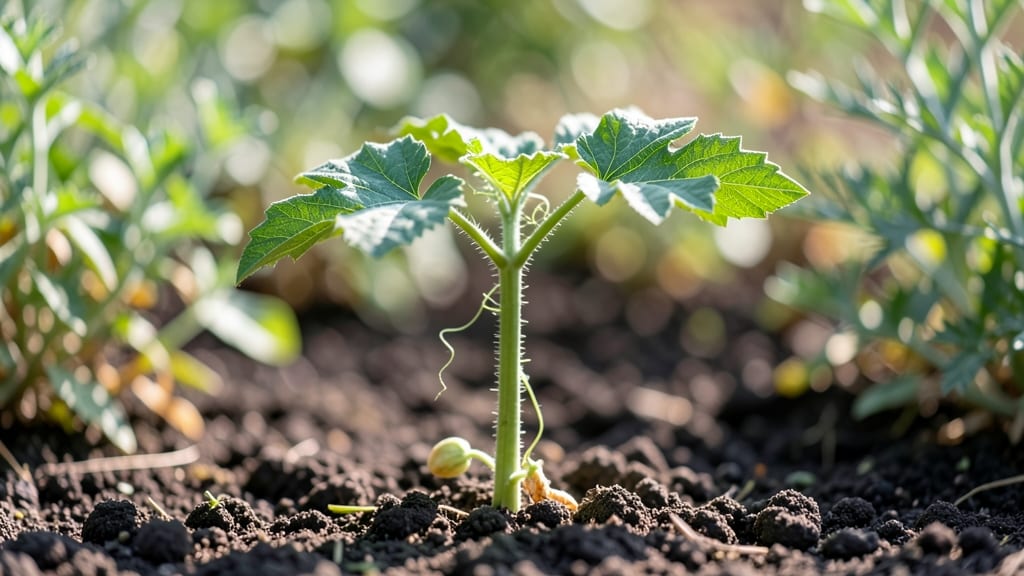
Mastering melon seedling identification early prevents you from accidentally transplanting weeds or squash—those first leaves hold all the clues you need. ✨ I’ve pulled up enough misidentified seedlings to know how easy it is to waste time and space. to tell cantaloupe from cucumber or watermelon from morning glory.
The key is leaf shape and vine structure. True melon leaves start lobed or jagged-edged (not smooth like weeds), and the vines grow in a sprawling, not climbing, pattern. Cantaloupe seedlings have hairy stems, while watermelon leaves are broader and more rounded—think of a tiny paddle.
Compare these to your seed packet, and you’ll spot the difference in seconds.
Once you recognize these patterns, you’ll transplant with confidence, knowing each seedling will grow into the melon you planted. No more guessing games—just healthy, thriving vines ready for summer harvests. Here’s how to spot them at every stage.
This works for all melon varieties, from honeydew to muskmelon, and even helps distinguish them from squash or pumpkin seedlings. The sooner you master these clues, the faster your garden will fill with the melons you actually want.
Understanding Seedling Struggles
Identifying melon seedlings early is crucial, but misidentification—or worse, stunted growth—often stems from avoidable issues. Whether you're a seasoned gardener or a curious beginner, knowing why seedlings fail to thrive (or why they look nothing like their mature counterparts) can save your harvest.
Below, we break down the science behind common seedling problems, from genetic quirks to environmental mishaps.
🌱 Why it happens: Many melon seeds sold commercially are hybrids, bred for specific traits like disease resistance or sweetness. However, if you’re growing from saved seeds or non-hybrid varieties, seedlings may not match the expected leaf shape or vine structure.
- Cross-pollination surprises: Even if you plant "pure" seeds, nearby melon plants (or cucumbers, squash, or pumpkins—all part of the Cucurbitaceae family) can cross-pollinate. This creates unpredictable seedlings with mixed traits, like jagged leaves or weak vines.
- Seed viability issues: Older seeds (over 1–2 years) may sprout but produce weak or deformed seedlings due to degraded genetic material. Melon seeds lose viability faster in warm, humid climates.
- True vs. false seeds: Some "melon" seeds sold in bulk mixes are actually weed seeds (e.g., pigweed or lambsquarters) that mimic melon shapes. These will sprout into entirely different plants with broad, lobed leaves.
💡 Actionable fix: Buy seeds from reputable suppliers labeled as open-pollinated or heirloom if you want predictable traits. For hybrids, check the packet for a F1 designation (first-generation hybrid). If in doubt, test a few seedlings before committing to thinning.
🌡️ Why it happens: Melon seeds need consistent moisture, warmth, and darkness to germinate properly. Deviations from these conditions can lead to slow growth, leggy seedlings, or even death—making identification nearly impossible.
| Factor | Ideal Conditions | What Goes Wrong |
|---|---|---|
| Temperature | 70–90°F (21–32°C) | Cold soil (<60°F/15°C) slows germination, leading to weak, pale seedlings that resemble damping-off (a fungal disease). |
| Moisture | Evenly damp (not soggy) | Overwatering causes oxygen deprivation, leading to black, mushy stems. Underwatering results in crinkled, stunted leaves. |
| Light | Darkness until sprouts emerge (2–3 inches) | Exposing seeds to light too early triggers etiolation—seedlings stretch toward light with thin, weak stems and small leaves. |
✨ Actionable fix:
- Use a seedling heat mat (70–80°F) if your soil is cool.
- Cover seeds with 1–2 inches of soil and keep them in a dark, humid environment (like a closed propagator or plastic bag) until sprouts appear.
- Once seedlings have 2 true leaves, provide 12–14 hours of bright light daily (grow lights or a sunny windowsill).
🐛 Why it happens: Seedlings are extremely vulnerable to pests and pathogens in their first 2–3 weeks. If you’re relying on leaf shape or vine structure to ID your melons, these threats can alter or destroy the plant before you recognize it.
- Fungal infections (damping-off): Caused by Pythium or Rhizoctonia, this disease rots the stem at soil level, making seedlings collapse like toothpicks. Infected leaves may turn yellow or brown before falling off.
- Insect damage:
- Cutworms chew stems at night, severing seedlings.
- Aphids cluster on new leaves, causing curls, stunting, and sticky honeydew (a sign of sooty mold).
- Flea beetles create tiny holes in cotyledons (the first "leaves"), mimicking poor seed quality.
- Herbicide drift or soil toxicity: Residual chemicals (even from lawn treatments) can bleach or distort young leaves, making them look like a different plant species.
🔥 Actionable fix:
- Use sterilized soil or a coconut coir mix to prevent fungal spores.
- Apply neem oil or insecticidal soap as a preventive spray on seedlings.
- Set up collars made of cardboard or aluminum foil around seedlings to block cutworms.
- Test soil for pH (6.0–6.8) and salinity—melons hate alkaline or salty soil.
📊 Why it happens: Melon seedlings need a balanced diet from day one. Poor nutrition leads to misshapen leaves, slow growth, or yellowing—symptoms that can be mistaken for disease or poor seed quality.
| Deficiency | Visual Clues in Seedlings | Cause |
|---|---|---|
| Nitrogen (N) | Pale green or yellow leaves (older leaves first) | Overuse of phosphorus-heavy fertilizers or poor soil organic matter. |
| Phosphorus (P) | Purple or dark green stems/leaves; stunted roots | Cold soil or high pH (>7.0) locks out phosphorus. |
| Potassium (K) | Yellowing edges of leaves (like scorch); weak stems | Leaching in sandy soils or overwatering washes it away. |
| Magnesium (Mg) | Interveinal yellowing (between veins) on older leaves | Common in acidic soils; melons need 1.5–2.0 ppm Mg. |
💪 Actionable fix:
- Start with a
Quick fixes for seedling struggles
---
When your melon seedlings look more confused than cute, don’t panic—there’s a solution for every problem! Below, we’ve mapped common issues to practical fixes, plus prevention tips to keep your seedlings thriving. Think of this as your melon seedling first-aid kit, packed with actionable steps and pro tricks.
---
Cause: Poor soil nutrition, overcrowding, or weak seedlings. Fix: - 🔥 Test and Amend Soil: Use a soil test kit to check pH (ideal: 6.0–6.8) and nutrient levels. Amend with compost or a balanced fertilizer (10-10-10) if needed. - 👨🍳 Thin Seedlings: Space them 12–18 inches apart to reduce competition for sunlight and nutrients. - ☀️ Optimize Light: Move seedlings to a sunnier spot (6–8 hours of direct light daily) or use a grow light if indoors.
Prevention Tips: ✔ Start with rich soil—mix in aged compost before planting. ✔ Use high-quality seeds from reputable suppliers to ensure strong starts. ✔ Monitor moisture—keep soil consistently damp (not soggy) to avoid stress.
---
Cause: Overwatering, underwatering, or disease (like damping-off). Fix: - 💧 Check Watering Habits: Water at the base (not leaves) and ensure drainage. Let the top inch of soil dry between waterings. - 🌡️ Improve Airflow: Space seedlings 6–12 inches apart and use a fan on low to prevent fungal infections. - 🔪 Remove Affected Plants: If damping-off (black, mushy stems) appears, pull infected seedlings immediately and disinfect tools with rubbing alcohol.
Prevention Tips: ✔ Use sterile potting mix to avoid fungal spores. ✔ Water in the morning so leaves dry quickly. ✔ Avoid overhead watering—use drip irrigation or a watering can with a spout.
---
Cause: Aphids, spider mites, or cucumber beetles munching on tender leaves. Fix: - 🍳 Spray with Neem Oil: Mix 1 tsp neem oil + 1 tsp mild soap in 1 quart of water. Spray leaves thoroughly (repeat every 5–7 days). - 🕷️ Introduce Beneficial Insects: Ladybugs or lacewings eat aphids naturally—buy them online or attract them with dill or fennel plants nearby. - 🔪 Handpick Beetles: Drop cucumber beetles into soapy water if you spot them early.
Prevention Tips: ✔ Use row covers (fine mesh) to block pests while seedlings grow. ✔ Rotate crops yearly to disrupt pest life cycles. ✔ Plant trap crops like radishes to lure pests away from melons.
---
Cause: Cold snaps or heatwaves stressing young plants. Fix: - 🏠 Move Indoors/Temporarily: Use a cold frame, greenhouse, or even a cardboard box with a light inside for sudden chills. - 🧊 Provide Shade: Use shade cloth (30–50%) if temperatures exceed 90°F (32°C). - 🔥 Use Row Covers: Lightweight fabric protects from wind and frost while allowing sunlight.
Prevention Tips: ✔ Start seeds indoors 2–4 weeks before the last frost date. ✔ Hardening off gradually (acclimate to outdoor temps over 7–10 days). ✔ Choose heat-tolerant varieties like ‘Athena’ or ‘Honey Dew’ for hot climates.
Pro Tip: 💡 Keep a seedling journal! Note what works (and what doesn’t) for your specific growing conditions. Over time, you’ll spot patterns and refine your approach.
With these fixes, your melon seedlings will go from “what went wrong?” to “wow, look at them grow!” in no time. Happy gardening! 🌿
Frequently asked questions
1How can I tell melon seedlings apart from weeds or squash?
Look for lobed or jagged-edged leaves—melon seedlings have 3-5 pointed lobes (like tiny maple leaves), while squash leaves are broader and more rounded. Weeds usually have smooth, heart-shaped leaves or no lobes at all. Check the stem too: melon seedlings have hairy stems, especially cantaloupe varieties.
2What's the difference between cantaloupe and watermelon seedlings?
Cantaloupe seedlings have deeply lobed, jagged leaves and hairy stems, while watermelon seedlings have broader, paddle-shaped leaves that look almost like miniature watermelon slices. Watermelon vines also grow faster and thicker—you'll notice the difference within 10-14 days after true leaves appear.
3Can I identify melon seedlings before true leaves appear?
Yes! The cotyledons (first leaves) give clues: melon cotyledons are oval with slightly serrated edges, while weed cotyledons are usually smoother and more rounded. Pay attention to the stem thickness too—melon seedlings develop thicker stems faster than most weeds.
4Why do my melon seedlings look nothing like the parent plant?
This usually happens from cross-pollination (if nearby melons or cucurbits pollinated your flowers) or old seeds (over 2 years old). Check your seed packet—hybrids (marked F1) may produce unpredictable seedlings. For consistent results, use open-pollinated or heirloom seeds from trusted sources.
5How long should I wait before transplanting melon seedlings?
Wait until seedlings have 3-4 true leaves and are at least 4-6 inches tall—this usually takes 3-4 weeks in ideal conditions. Harden them off first by placing them outside for 1-2 hours daily over 5-7 days before transplanting to prevent shock.