
Featured
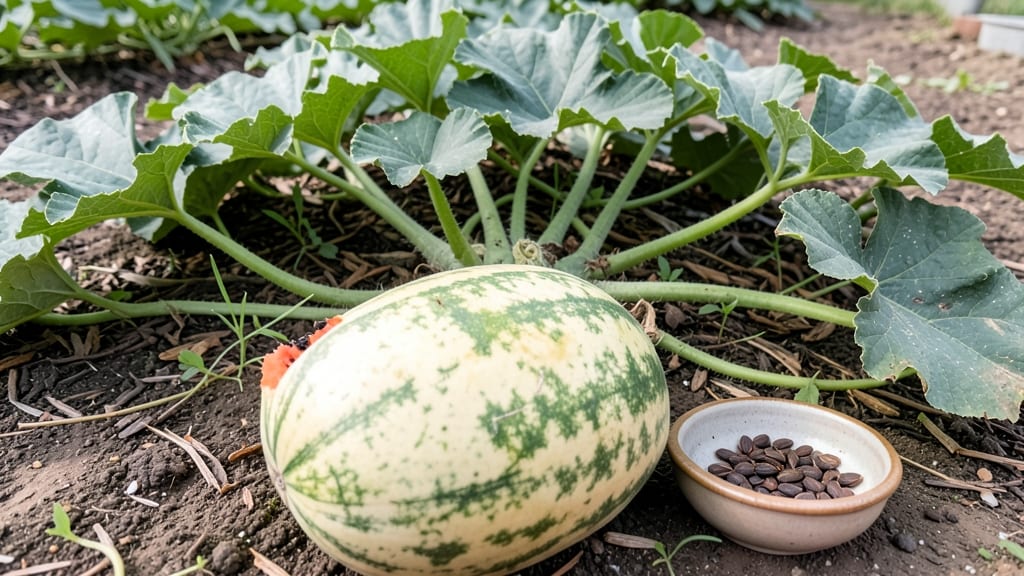
Watermelon seeds are safe for birds to eat in moderation, offering essential fats and proteins, but never feed them chemically treated or spoiled seeds. Always serve fresh, organic seeds as part of their varied diet.
Watermelon seeds are a natural treat for many bird species, including sparrows, finches, and robins, who forage for similar seeds in the wild. 🌱 The healthy fats in seeds provide energy, while the protein supports feather and muscle health—just like their regular birdseed diet.
However, always rinse seeds thoroughly and serve them in small amounts to prevent digestive upset, especially for tiny songbirds.
For backyard bird lovers, I recommend offering seeds alongside other nutritious options like chopped fruits or unsalted nuts. This mimics their natural foraging behavior and ensures they get a balanced meal. Just remember: moderation is key—too many seeds can lead to weight gain or nutritional imbalances.
💡 In This Article
- Nutritional Value of Watermelon Seeds for Birds
- Safe Ways to Feed Watermelon Seeds to Backyard Birds
Nutritional value of watermelon seeds for birds
Watermelon seeds pack a surprising nutritional punch for birds, offering a balanced mix of healthy fats (40-50% of their composition) and plant-based protein (around 15-20%).
These seeds contain essential amino acids like arginine and lysine, which support muscle development and feather maintenance—similar to what birds get from commercial birdseed blends. The fat content provides concentrated energy, crucial for species like chickadees and cardinals during migration or cold weather.
The mineral profile is equally impressive, with seeds containing magnesium (100-120mg per 100g), which aids muscle function, and phosphorus (300-400mg per 100g), vital for bone health. Zinc levels reach 2-3mg per 100g, supporting immune function—comparable to sunflower seeds but with less sodium.
The hard outer shell also provides calcium when cracked open, though birds typically eat them whole, relying on their strong beaks to process them.
Here's how it compares to commercial birdseed: watermelon seeds contain more unsaturated fats than sunflower seeds (50% vs 45%) but less protein (18% vs 25%). The key difference is their natural moisture content—fresh watermelon seeds have about 10% water, making them easier to digest than dried seeds.
This moisture also helps prevent dehydration, a common issue with overly dry commercial seed mixes.
For small birds like finches, the seed size (0.3-0.5cm in diameter) makes them an ideal snack—easy to peck and swallow without choking hazards. However, the hard shell can be challenging for hummingbirds or tiny sparrows, which is why I recommend crushing a few seeds for these species.
The natural oils in the seeds also make them more palatable than processed seeds, which often lack the same aromatic appeal.
What most people don't realize is that watermelon seeds contain cucurbitacin, a compound that can be toxic in large quantities. While wild birds have adapted to handle small amounts, this is why moderation is critical—feeding more than 5-10 seeds per bird per day could cause digestive upset.
The seeds' natural bitterness also acts as a deterrent, preventing birds from overeating in the wild.
The texture plays a role too: the firm outer shell provides gentle abrasion for birds' beaks, similar to how they wear down their beaks on tree bark. When you offer seeds fresh from the watermelon, the slight sweetness from residual fruit pulp makes them even more appealing.
This natural sweetness is absent in commercial seeds, which rely on artificial flavors to attract birds.
For backyard birders, this means watermelon seeds can be a valuable supplement to your regular seed mix—just remember to serve them as part of a varied diet that includes fresh fruits, insects, and grains.
The seeds' natural nutrients make them a healthier alternative to processed treats, especially when paired with other foraging opportunities like mealworms or chopped apples.