Featured
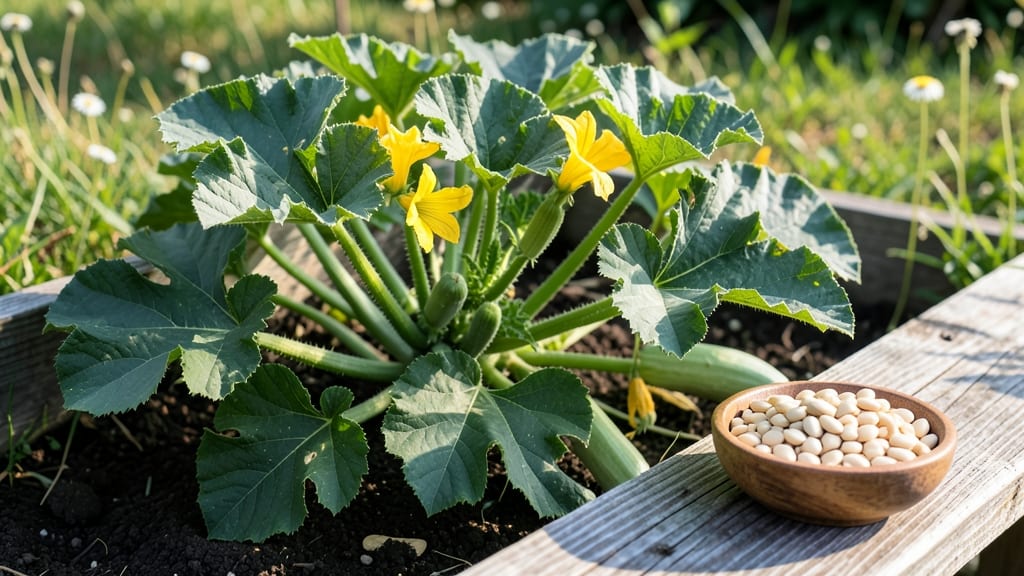
Yes, chickens can eat zucchini seeds safely in moderation, as they’re non-toxic and provide fiber, but avoid feeding them in large quantities due to potential digestive upset or choking hazards from hard shells. Always serve seeds fresh or lightly crushed for easier consumption.
Zucchini seeds are packed with fiber and healthy fats, which support your flock's digestion and overall health—but their hard shells can pose risks if not prepared properly. 🌱 Chickens need variety in their diet, and these seeds offer a nutrient boost, though they should never replace balanced feed.
The key is moderation: think of them as a treat rather than a staple, and always monitor your birds for any signs of discomfort after introducing new foods.
For best results, I recommend crushing the seeds slightly to make them easier to digest, especially for younger chicks. You can also mix them into their regular feed or serve them as part of a chopped zucchini snack.
This approach lets your chickens enjoy the benefits without the risks of whole, unprocessed seeds.
💡 In This Article
- Zucchini Seed Nutrition for Chickens: Benefits and Risks
- How to Feed Zucchini Seeds to Chickens Safely
Zucchini seed nutrition for chickens: benefits and risks
Zucchini seeds pack a surprising nutritional punch for chickens. Each seed contains approximately 15-20% healthy fats, primarily in the form of linoleic acid (an omega-6 fatty acid), which supports feather health and immune function.
The seeds also provide 2-3 grams of fiber per tablespoon, promoting gut motility and preventing digestive stasis—a common issue in poultry. What's particularly valuable is their 18-22% protein content, which is comparable to commercial layer feed but in a more digestible form for chickens.
The hard outer shell of zucchini seeds contains cellulose and lignin, which chickens can't digest efficiently on their own. This is why whole seeds pose a choking hazard, especially for younger chicks with smaller throats.
However, when lightly crushed, the seeds release their inner nutritious embryo, which is rich in vitamin E (tocopherols) and magnesium. Vitamin E acts as an antioxidant, protecting cells from oxidative stress, while magnesium supports muscle and nerve function—critical for active foraging birds.
Here's what happens when chickens consume these seeds: The fiber content stimulates gut bacteria fermentation in the ceca (chickens' primary digestion organ), producing short-chain fatty acids that serve as an energy source. However, excessive intake can lead to impaction, where undigested material accumulates in the digestive tract.
This risk increases with hard seeds, which can lodge in the gizzard or crop, causing blockages. The key is moderation—think of seeds as a 5-10% supplement to their regular diet, not a staple.
Chickens also benefit from the seeds' low glycemic index compared to processed grains, making them a safer carbohydrate source. The seeds contain trace minerals like zinc and copper, essential for enzyme function and red blood cell production.
However, these benefits come with caveats: The hard shells can wear down chickens' gizzard muscles over time if consumed regularly, potentially reducing their ability to grind feed efficiently. This is why rotation is crucial—offer seeds occasionally rather than daily.
For visual comparison, imagine a single zucchini contains about 50-70 seeds. Feeding 5-10 seeds per chicken per week provides nutritional benefits without overloading their system. The seeds' small size (approximately 0.2 inches long) makes them manageable for adult chickens, but always supervise younger birds when introducing new foods.
The texture changes dramatically when crushed—the hard, glossy shell becomes soft and crumbly, making it far easier for chickens to process.
What most people overlook is how the seeds' natural oils can go rancid if stored improperly. Fresh seeds have a slightly nutty aroma, but once dried or stored for more than 2 weeks, they develop an off-putting bitter taste that chickens may avoid.
This is why serving them fresh or lightly dried (at 120°F for 1-2 hours) preserves their nutritional value and palatability. 💫