Vegetables
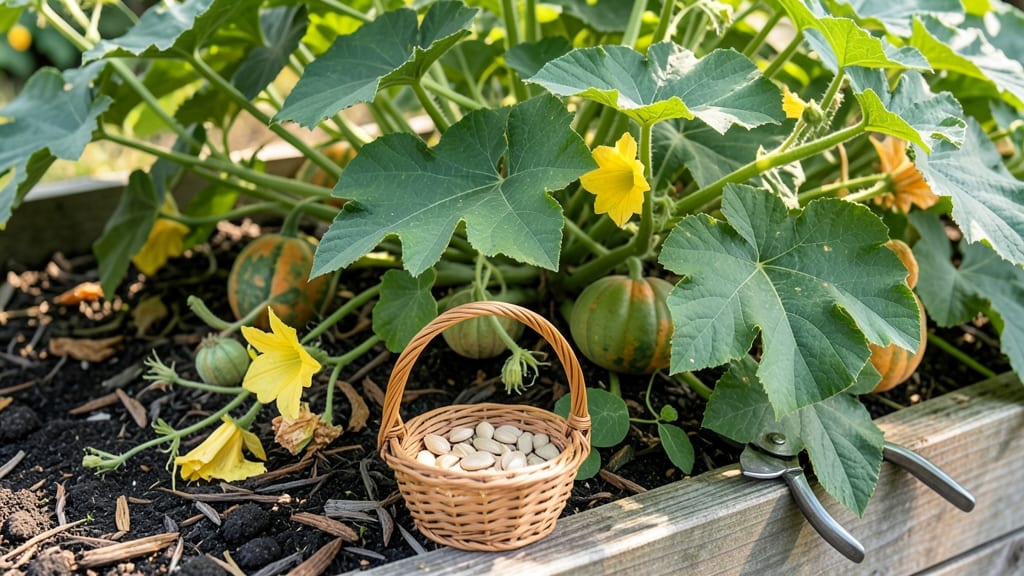
Pumpkin seeds are a nutrient-dense treat that chickens love, but their hard shells make them risky in whole form. 🌱 I recommend offering them as a supplement—about 1-2 tablespoons per chicken weekly—to avoid overloading their diet.
The seeds' high magnesium content supports bone health, while zinc boosts immune function, but too much can lead to lethargy or digestive upset. For extra safety, I crush the shells before serving, turning them into a safer, more digestible snack.
What sets pumpkin seeds apart from other treats is their balanced profile: they're rich in protein and healthy fats but low in calories, making them ideal for maintaining feather quality and egg production.
Unlike sunflower seeds, which are higher in fat, or flaxseeds (which provide omega-3s), pumpkin seeds offer a unique mineral boost. Just remember—variety is key! Mix them with other seeds or veggie scraps to create a well-rounded diet for your flock.
💡 In This Article
- Nutritional Benefits of Pumpkin Seeds for Chickens
- Safe Pumpkin Seed Preparation and Serving Guide
Nutritional benefits of pumpkin seeds for chickens
Pumpkin seeds pack a powerful nutritional punch for chickens, offering a unique blend of minerals and fats that support overall health.
Just 1 ounce (about 28 grams) of raw, unsalted seeds contains 8 grams of protein—similar to a small egg white—while providing 14% of a chicken's daily magnesium needs and 12% of zinc requirements.
These minerals play crucial roles: magnesium strengthens bones and muscle function, while zinc acts as a natural immune booster, helping chickens fend off respiratory infections common in flocks.
The healthy fats in pumpkin seeds (about 10 grams per ounce) are predominantly unsaturated, supporting feather health and egg yolk quality. Unlike sunflower seeds which contain 50% fat by weight, pumpkin seeds offer a more balanced fat profile—ideal for maintaining weight without causing obesity.
The seeds also contain vitamin K (important for blood clotting) and folate, which aids in cell repair, particularly valuable for growing chicks or hens laying eggs. 🌟
Here's how these nutrients translate to real benefits for your flock:
- Immune support: Zinc levels comparable to commercial supplements help chickens recover faster from illnesses
- Egg production: The selenium content (about 10% of daily needs) improves egg shell quality and hatchability
- Feather maintenance: Biotin in seeds prevents brittle feathers, while omega-6 fatty acids reduce feather picking behaviors
When comparing to other seeds, pumpkin seeds stand out for their mineral density. Sunflower seeds provide more calories but lack the same zinc-to-copper balance, while flaxseeds offer omega-3s but contain only trace minerals. The ideal approach is to rotate all three: offer pumpkin seeds 2-3 times weekly for mineral benefits, sunflower seeds occasionally for fat, and flaxseeds for omega-3s. This rotation prevents nutritional imbalances while keeping your chickens engaged with varied textures.
The protein in pumpkin seeds (about 18% dry weight) is particularly valuable for chickens, as their natural diet provides only 12-14% protein from insects and grains. This extra protein supports muscle development in growing pullets and maintains egg production in laying hens.
The seeds' natural enzymes also aid digestion, making them easier to process than many commercial feed additives. 💫
For maximum benefits, serve seeds with their hulls intact but cracked—this preserves all nutrients while reducing choking hazards. The fiber content (about 1.7 grams per ounce) promotes gut motility, preventing common issues like impacted crop.
What's remarkable is how these tiny seeds deliver such comprehensive support: they're essentially a chicken's multivitamin in natural form, without the artificial additives found in many supplements.