Propagation
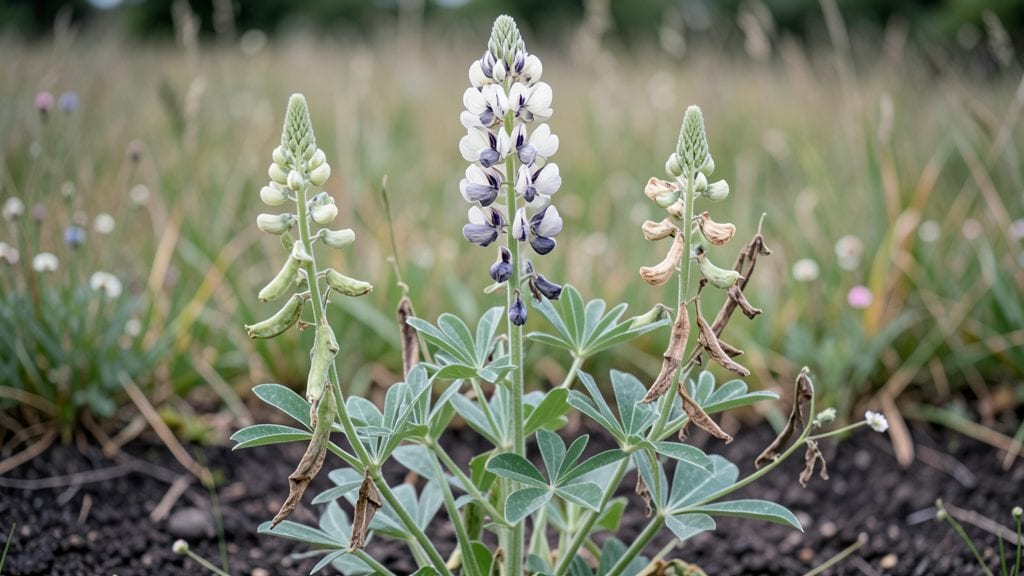
Yes, seeds can reproduce on their own through germination, where they develop into new plants under ideal conditions of moisture, warmth, and light without requiring fertilization from parent plants.
This remarkable process starts when a seed absorbs water, activating enzymes that break down stored nutrients and trigger cellular growth. 🌱 The radicle (root) emerges first, anchoring the seedling before the shoot pushes upward toward light.
Unlike flowering plants that rely on pollination, seeds carry all the genetic material needed to grow independently—making them nature's perfect self-replicators. Some even have built-in survival strategies like dormancy or scarification to ensure they sprout only when conditions are perfect.
What makes this even more fascinating is how seeds adapt to their environment. For example, some only germinate after passing through an animal's digestive tract, while others need fire or cold stratification to break dormancy.
This biological ingenuity explains why seeds have thrived across millions of years—long before plants evolved complex reproductive systems.
💡 In This Article
- Seed Germination Process Explained
- Factors Affecting Seed Reproduction Success
Seed germination process explained
The journey from seed to sprout begins with imbibition, where the seed absorbs 50-100% of its dry weight in water within hours. This triggers the activation of dormant enzymes like amylase, which break down starches into sugars for energy.
The seed's outer layers soften, allowing oxygen to reach the embryo—a critical step for cellular respiration. 🔥 What's fascinating is how this process creates osmotic pressure, forcing the seed coat to crack open from within, much like a balloon expanding.
Once hydrated, the embryo's radicle (primary root) emerges first, growing downward at a rate of 1-5 millimeters per day depending on species. This root anchors the seedling and begins absorbing water and nutrients from the soil.
The hormone gibberellin plays a key role here, signaling the seed to mobilize its food reserves while suppressing growth inhibitors. Meanwhile, the shoot (plumule) remains dormant until the root establishes stability—a survival strategy to prevent energy waste.
After the radicle emerges, the hypocotyl (seedling stem) elongates rapidly, pushing the cotyledons (seed leaves) toward light. This upward growth is driven by auxin hormones, which create a phototropic response—bending the shoot toward light sources.
Some seeds, like peas, have specialized structures that unfurl the cotyledons to capture sunlight immediately, while others develop true leaves later. The entire process from imbibition to first leaf emergence typically takes 3-14 days, depending on the plant species and environmental conditions.
Not all seeds follow this straightforward path. Many require stratification (cold treatment) or scarification (physical damage to the seed coat) to break dormancy.
For example, apple seeds need 60-90 days of cold stratification to mimic winter conditions, while lotus seeds can remain dormant for 1,300 years in anaerobic mud before germinating.
These adaptations ensure seeds only sprout when survival conditions are optimal—a brilliant evolutionary strategy that explains why some seeds can lie dormant for decades.
The final stage involves the seedling transitioning to photosynthesis, where the cotyledons or true leaves take over nutrient production. At this point, the young plant has completed its reproductive cycle independently, without any genetic contribution from parent plants.
This self-sufficiency is what makes seeds such remarkable reproductive units—capable of creating entirely new organisms from a single, protected package of genetic material and nutrients. 💫