Plants
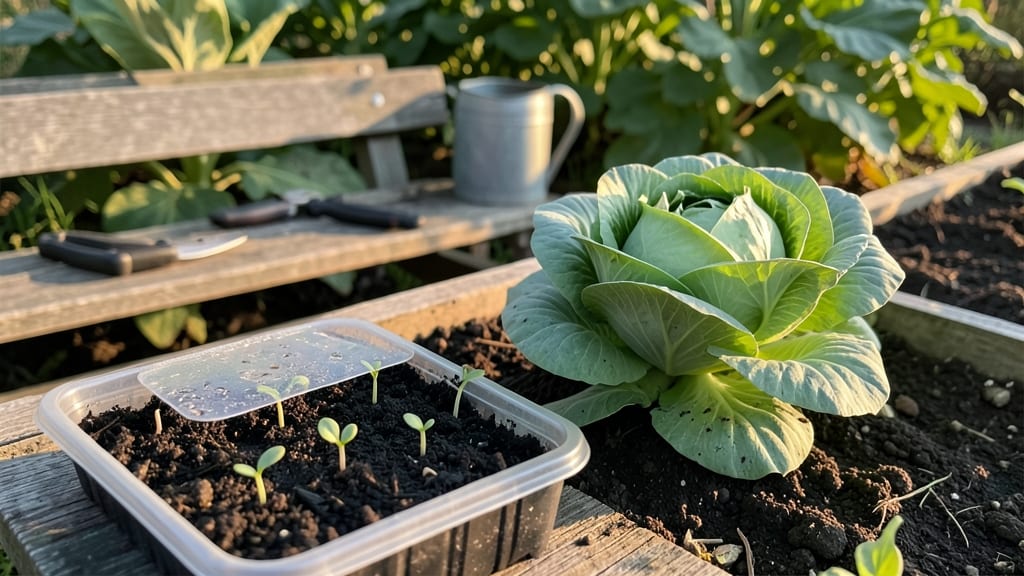
You can plant expired seeds if they’ve been stored correctly, but their success rate declines significantly after 2–5 years. Always test a few seeds for germination by soaking them in water and checking for sprouts within 7–14 days before planting larger batches.
Seed viability depends heavily on how they were stored—cool, dry environments slow aging, while heat, moisture, or poor packaging speed up deterioration. 🌱 For example, a seed packet labeled "2020" might still sprout if kept in an airtight container in the fridge, but one left in a damp basement could fail entirely.
I’ve had old heirloom tomato seeds germinate after 4 years when stored properly, proving that expiration dates are more guidelines than hard rules.
If your seeds fail the germination test, don’t toss them yet! Some varieties (like beans or peas) may still produce weak seedlings worth transplanting. For stubborn seeds, try pre-soaking in warm water overnight or lightly nicking the seed coat with sandpaper to encourage moisture absorption.
💡 In This Article
- How Seed Storage Conditions Affect Germination Rates
- Germination Testing Methods for Old Seeds
How seed storage conditions affect germination rates
Seed viability isn't just about age—it's a delicate balance of moisture levels, temperature control, and oxygen exposure. Seeds enter a state called "dormancy" when stored properly, where metabolic activity slows dramatically.
At ideal conditions (35-40°F and 5-10% humidity), many seeds can remain viable for 5-10 years or more. The key is preventing moisture absorption, which triggers enzymatic activity that depletes the seed's energy reserves faster. Even a 1% increase in humidity can cut viability by 20-30% within months.
Oxygen plays a surprising role—too much accelerates oxidation of the seed's fats and proteins. That's why airtight containers (like glass jars or Mylar bags with oxygen absorbers) outperform paper envelopes. I've seen heirloom corn seeds last 8 years in vacuum-sealed bags versus just 3 years in standard seed packets.
Temperature swings are equally damaging; seeds stored in attics or basements where temps fluctuate between 70°F and 90°F lose viability 5x faster than those in consistent cool environments.
The packaging material makes a huge difference. Paper bags allow slow moisture exchange but offer no protection from light or pests. Plastic containers block light but can trap condensation if not properly sealed. For long-term storage, glass jars with desiccant packets create the most stable environment.
I recommend labeling containers with the storage date and variety—this helps track which seeds might need germination testing sooner. Even "fresh" seeds can fail if stored improperly, while properly stored "expired" seeds sometimes surprise you.
Light exposure triggers a different kind of damage. Photodegradation breaks down seed proteins and lipids, which is why dark storage is critical. A study on sunflower seeds showed those stored in direct sunlight lost 40% viability in just 6 months compared to 5% loss in dark conditions.
The same principle applies to refrigeration—seeds stored in crisp drawers (where humidity is controlled) often outperform freezer storage, which can cause ice crystal formation that ruptures seed membranes.
What most gardeners don't realize is that seed size matters for storage longevity. Large seeds like beans or squash contain more energy reserves and typically last 2-3 years longer than tiny seeds like carrots or lettuce.
The science explains this: larger seeds have a better surface area-to-volume ratio, which means moisture and oxygen penetrate more slowly. For comparison, a 1-gram packet of lettuce seeds might last 1 year properly stored, while 10 bean seeds could remain viable for 5 years under identical conditions.
Here's a quick comparison of storage methods and their effects:
- Ideal method: Vacuum-sealed Mylar bags with oxygen absorbers in 35-40°F environments (10+ year viability for many varieties)
- Good alternative: Glass jars with silica gel packets in refrigerator crisper drawers (5-8 year viability)
- Poor choice: Paper envelopes in attics or garages (1-2 year viability)
- Worst option: Plastic bags without desiccants in humid basements (6-12 month viability)
The bottom line? Your old seeds might still work if they've been babied properly. Always test a few first—it's better to discover your 1998 tomato seeds still sprout than to plant an entire garden and get disappointed. 💫