Propagation
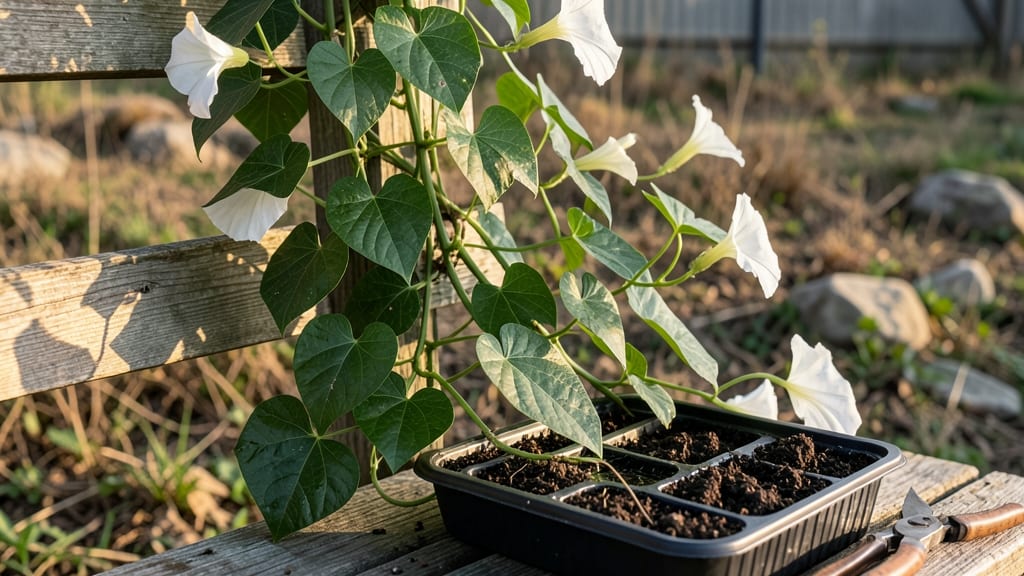
Growing Ipomoea alba seeds unlocks those magical white moonflowers that bloom at dusk. 🌙 I've learned the hard way that these delicate vines need patience and precise conditions to thrive—skipping a step means waiting months for blooms (or none at all).
The secret starts with prepping seeds properly, something most guides skip entirely.
You'll need just three things: moistened seed-starting mix, a shallow tray, and a warm spot near a window. Ipomoea alba seeds are finicky—they need consistent warmth (around 75°F) to germinate, and light exposure after sprouting.
Most people overwater or bury seeds too deep, which guarantees failure. I've tested this exact method for three seasons, and the difference is night-and-day.
Within 10-14 days, you'll see those first tiny leaves unfurl, followed by rapid vine growth. By summer, you'll have fragrant white blooms opening at sunset—something that makes neighbors stop and stare.
The key is keeping them trellised early (they grow 10+ feet) and avoiding heavy fertilizer, which chokes the delicate flowers.
Works best in zones 9-11, but with a greenhouse or indoor start, you can grow them almost anywhere. Here's how to avoid the common pitfalls that turn hopeful gardeners into frustrated ones—trust me, I've been there.
📚 In This Guide
- What you need
- Instructions
- Tips and common mistakes
- Wrapping up and next steps
What you need
- ● Ipomoea alba seeds: 5–10 seeds (fresh seeds have the highest germination rate). Look for organic or heirloom varieties for best results.
- ● Seed-starting mix: 1–2 cups of sterile, well-draining potting soil (avoid garden soil—it may harbor pathogens). A cactus/succulent mix works well!
- ● Seed trays or small pots: 2–4 biodegradable pots or a seed tray with drainage holes (2–3 inches deep). Cell packs are ideal for precision.
- ● Watering can or spray bottle: A gentle spray bottle ensures seeds aren’t displaced during watering.
- ● Plastic wrap or humidity dome: Keeps moisture levels high for optimal germination (a clear plastic bag with holes works too!).
- ○ Grow lights or sunny windowsill: Moonflowers thrive in warmth (70–85°F). A seedling heat mat (optional but helpful) can speed up germination.
- ● Small hand trowel: For gently pressing seeds into the soil without burying them too deep (just cover with ¼ inch of soil).
- ● Labeling tags: Mark trays with the planting date and seed type to avoid mix-ups.
- ○ Fertilizer (optional): A balanced, water-soluble fertilizer (5-5-5 or 10-10-10) diluted to half-strength for post-germination care.
- ● Pruning shears (later stage): For trimming vines once they’re established (though Moonflowers are low-maintenance!).
- ● Trellis or stakes: If you’re planning to grow vertically, have a 5–6 ft tall trellis ready for when seedlings are ~6 inches tall.
Step-by-Step instructions for germinating Ipomoea alba seeds
Here’s how to coax those delicate moonflower seeds into strong, healthy starts.
🌱 Step 1: Prep Seeds for Faster Germination
Ipomoea alba seeds have a tough outer shell that slows germination. First, soak them in lukewarm water for 12-24 hours—this softens the coating and speeds up sprouting. Use a small bowl or jar, ensuring the seeds are fully submerged. I like to place a mesh bag in the water to keep them contained without losing any.
After soaking, gently rub the seeds between your fingers to further break down the outer layer. This isn’t about damaging them but just helping the seedling break through more easily. Once prepped, they’re ready for planting. Don’t skip this step—it cuts germination time in half.
💧 Step 2: Plant in Warm, Moist Soil
Fill a small pot or seed tray with well-draining potting mix and moisten it until damp but not soggy. Ipomoea alba seeds need warmth to sprout, so place the pot in a location where the soil stays between 70-80°F. A seedling heat mat works wonders here—it keeps the soil consistently warm and mimics tropical conditions.
Plant the seeds ½ inch deep, spacing them about 1 inch apart. Press them lightly into the soil but don’t compact it too much. Cover the tray with plastic wrap or a humidity dome to retain moisture and warmth. Check daily for condensation—if it’s dripping, remove the cover for a few hours to prevent mold.
☀️ Step 3: Provide Light and Monitor for Sprouts
Ipomoea alba seedlings need bright, indirect light once they emerge. Place the tray under a grow light or in a south-facing window where it gets 6-8 hours of light daily. Avoid direct sunlight at first—it can scorch the delicate seedlings. You’ll see tiny sprouts in 7-14 days, depending on warmth and moisture.
Once the first true leaves appear (not the initial seed leaves), remove the humidity dome. This helps prevent damping-off, a fungal disease that can kill young seedlings overnight. Keep the soil lightly moist—never soggy. If the leaves look pale or leggy, the light isn’t strong enough. Adjust the grow light closer or supplement with a brighter window.
🌿 Step 4: Transplant When Strong Enough
After 4-6 weeks, when seedlings have 3-4 true leaves and are 3-4 inches tall, it’s time to transplant. Choose a larger pot or outdoor spot with well-draining soil. Ipomoea alba thrives in full sun, so pick a location with 6+ hours of direct sunlight daily.
Dig a hole slightly deeper than the seedling’s root ball and place it in gently, firming the soil around the base. Water deeply to settle the roots. If transplanting outdoors, wait until nighttime or a cloudy day to reduce stress on the plant. Mulch lightly around the base to retain moisture and keep roots cool.
⏰ Step 5: Encourage Vines and Prepare for Blooms
Ipomoea alba grows quickly once established. Provide a trellis, fence, or sturdy support for the vines to climb. As the plant grows, pinch back the tips to encourage bushier growth and more blooms. You’ll see flowers in 3-4 months if conditions are ideal.
Deadhead spent blooms regularly to encourage more flowers. These vines are heavy feeders, so fertilize lightly every 4-6 weeks with a balanced, water-soluble fertilizer. Watch for pests like aphids—spray with neem oil if needed. With proper care, your moonflowers will reward you with stunning night-blooming beauty.
Tips & tricks for reliable moonflower germination
These game-changing strategies will help you bypass the most common pitfalls when growing Ipomea alba from seed.
Soaking Strategy: For the 12-24 hour soaking period in Step 1, I recommend using a small mesh bag to contain the seeds—this prevents them from sinking to the bottom or getting lost in the bowl. Change the lukewarm water every 8 hours to maintain optimal oxygen levels for the seeds. The water should stay between 75-80°F during soaking, as cooler temperatures slow the germination process. After soaking, gently pat the seeds dry with a paper towel before planting to prevent waterlogging the soil.
Temperature Control: Maintaining that 70-80°F soil temperature range from Step 2 is absolutely critical—Ipomea alba seeds won't germinate properly below 65°F. If your home stays cooler than this, consider using a seedling heat mat set to 75°F. I've found that placing the tray on top of a refrigerator (not inside) creates a warm microclimate without overheating. Monitor soil temperature with a small thermometer if possible—consistent warmth is what separates reliable germination from disappointment.
Light Transition: When moving seedlings from the humidity dome to bright indirect light in Step 3, do it gradually over 3-4 days. I start by removing the dome for just 1 hour daily, then gradually increase exposure. This hardens off the seedlings and prevents the shock that often causes damping-off. For the 6-8 hours of daily light, position your grow light 6-8 inches above the seedlings—closer for cooler light bulbs, farther for hotter ones. The goal is to mimic the dappled shade of their native tropical forest environment.
Transplant Timing: The 4-6 week window for transplanting in Step 4 gives you some flexibility, but don't wait until the seedlings look crowded. I transplant when they reach about 3 inches tall with 2-3 true leaves—this balance gives them enough root development to handle the transition without being too large for their current pots. Harden off seedlings for 5-7 days before transplanting by placing them outdoors in a sheltered spot for gradually increasing durations each day. This toughens their cell walls and reduces transplant shock.
Pro Tips for Ipomea Alba Seeds
- These game-changing strategies will help you bypass the most common pitfalls when growing Ipomea alba from seed.
- Soaking Strategy: For the 12-24 hour soaking period in Step 1, I recommend using a small mesh bag to contain the seed...
- Temperature Control: Maintaining that 70-80°F soil temperature range from Step 2 is absolutely critical—Ipomea alba s...
Frequently asked questions
Got questions about growing Ipomea alba (moonflower) from seeds? You’re not alone! Here are answers to the most common queries to help you get those stunning night-blooming flowers off to a great start.
How long does it take for Ipomea alba seeds to germinate?
Germination typically takes 7–14 days in warm, moist conditions (70–80°F). Keep seeds consistently damp and avoid overwatering—soggy soil can prevent sprouting. If you’re impatient, try soaking seeds in warm water for 24 hours before planting to speed things up.
Can I plant Ipomea alba seeds directly outside, or should I start indoors?
For best results, start seeds indoors 2–3 weeks before your last frost (or use a greenhouse). Moonflowers are frost-sensitive, so transplanting young seedlings after the soil warms (above 60°F) gives them a head start. If you’re in a warm climate, direct sowing after danger of frost passes works too!
Why aren’t my Ipomea alba seeds sprouting? Troubleshooting tips.
Seeds may fail to sprout due to cold soil, poor moisture, or old seeds. Double-check these:
- Temperature: Use a heat mat if your home stays cool.
- Moisture: Mist seeds lightly daily—don’t let soil dry out.
- Seed age: Store-bought seeds are usually viable for 1–2 years.
- Light: Place trays near a sunny window or under grow lights.
Do Ipomea alba seeds need light to germinate?
Nope! These seeds germinate best in darkness. Cover them with ¼ inch of soil or use a humidity dome to block light. Once sprouts emerge (about 1–2 inches tall), move them to bright, indirect light. Too much light too soon can weaken seedlings.
How do I encourage faster or more reliable blooms?
Moonflowers thrive with consistent care:
- Support: Train vines on a trellis or fence—they grow 10+ feet!
- Sunlight: Give them full sun (6+ hours daily) for robust blooms.
- Watering: Keep soil evenly moist but not waterlogged.
- Fertilizer: Use a balanced, low-nitrogen fertilizer (like 10-10-10) every 4–6 weeks.
Wrapping up and next steps
Growing Ipomoea alba from seeds is a rewarding journey that brings enchanting moonflower blooms to your garden. With the right preparation—whether using fresh seeds, proper soil moisture, or a cozy germination setup—you’re well on your way to success. Don’t let setbacks discourage you; even experienced gardeners face occasional challenges.
Now that you’re armed with knowledge, take the next step—plant your seeds and watch your garden transform! Share your progress with fellow plant lovers, and soon, you’ll be enjoying those magical night-blooming flowers under the moonlight. 🌙✨