
Watering
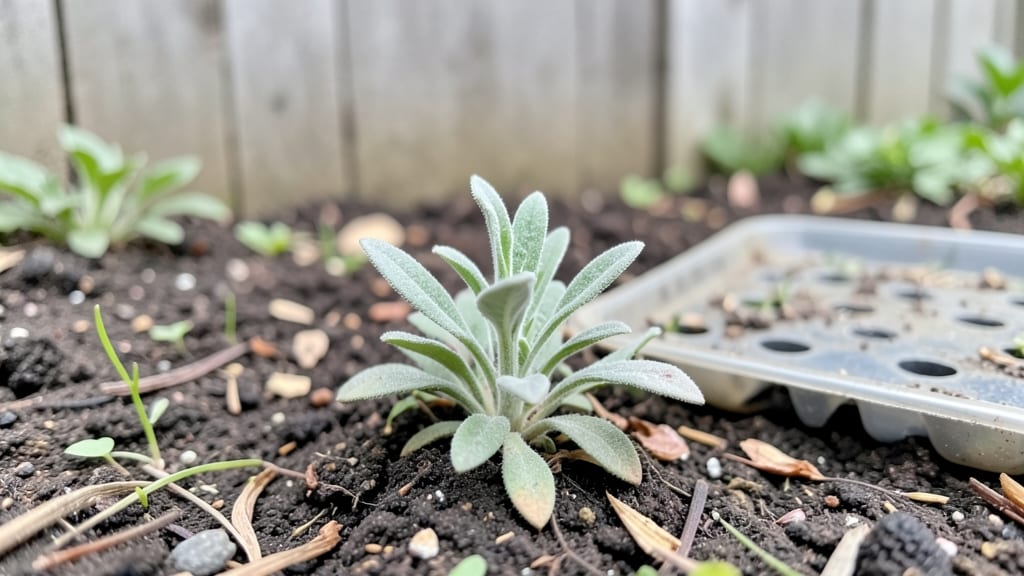
Cold-stratifying your Centaurea cyanus seeds unlocks those dreamy blue blooms you’ve been admiring in cottage gardens. 🌻 I’ve struggled with weak seedlings until I learned the trick—mimicking winter’s chill breaks their dormancy, so they pop up strong and true.
The process is simpler than it sounds: just chill your seeds for a few weeks before planting, and you’ll avoid the disappointment of sparse germination.
You’ll need a few basic supplies: a plastic bag, some damp paper towels, and a refrigerator shelf. The whole process takes about 6-8 weeks before you even plant them outside, but it guarantees seedlings that stand tall instead of flopping over.
No more leggy, weak stems—just sturdy little plants ready to burst into color.
Once they sprout, give them bright light and keep the soil barely moist. These seedlings don’t like soggy roots, so a gentle misting keeps them happy without drowning them.
Within 4-6 weeks after planting, you’ll see those first true leaves—deep green and determined, signaling the blue blooms are on their way.
Pro tip: Space them 12-18 inches apart to prevent overcrowding, and pair them with low-growing companions like thyme or marigolds. The contrast of their sky-blue flowers against greenery is pure magic—and worth every step of the cold stratification process.
📚 In This Guide
- What you need
- Instructions
- Tips and common mistakes
- Wrapping up and next steps
What you need
- ● Centaurea cyanus seeds: 1–2 packets (50–100 seeds per packet). Choose heirloom or organic seeds for best results.
- ● Seed-starting mix: 1–2 cups of sterile, well-draining potting soil (avoid garden soil—it’s too dense!).
- ● Seed trays or small pots: 2–4 shallow containers (2–3 inches deep) with drainage holes.
- ● Plastic wrap or humidity dome: To create a mini greenhouse effect and retain moisture.
- ● Spray bottle: For gentle watering (avoid over-saturating the soil).
- ● Cold stratification setup: Refrigerator (or a cool, dark space like a basement, ~35–45°F / 2–7°C).
- ● Ziploc bag or damp paper towel (to keep seeds moist during stratification).
- ● Grow lights or sunny windowsill: For 12–16 hours of light daily after germination.
- ○ Heat mat (optional): Speeds up germination if your space is chilly (not needed for cold stratification).
- ● Plant labels: To track seedling progress (especially if testing different stratification times!).
- ● Fertilizer (diluted): A balanced 10-10-10 or fish emulsion (use sparingly—seedlings are sensitive!).
Step-by-step instructions for cold stratifying Centaurea cyanus seedlings
Here's how to break dormancy and coax those iconic blue blooms from stubborn seeds.
🌱 Step 1: Prepare the Seeds for Stratification
First, gather your Centaurea cyanus seeds and place them in a paper towel or coir mat. I like to spread them in a single layer—crowding them slows moisture penetration and can lead to mold. Lightly mist the towel with lukewarm water until it feels damp but not soggy. The goal is even moisture without pooling.
Fold the towel to loosely cover the seeds, then place it in a sealed plastic bag. Squeeze out excess air before sealing to create a humid environment. Label the bag with the seed variety and date—this helps track your 6-8 week stratification timeline. I tuck the bag into the fridge's vegetable crisper drawer, where temperatures hover around 35-40°F.
💧 Step 2: Monitor Moisture and Check for Germination
Every 7-10 days, remove the bag and check for moisture. The towel should feel consistently damp—if it's dry, mist again; if it's dripping, unfold and let it air dry slightly before resealing. This prevents fungal growth while maintaining the cold, moist conditions seeds need to break dormancy.
After about 3-4 weeks, you may notice tiny white roots emerging from the seeds. That's your cue to transfer them to seed-starting mix in 2-inch pots. I use a sterile potting mix (never garden soil) to avoid pathogens. Plant each seed ¼ inch deep—deeper planting delays germination because the seedling must push through more soil.
☀️ Step 3: Transition to Warmth and Light
Once seedlings show first true leaves (not the initial cotyledons), move them to a warm, bright location. I place mine under a grow light on a 14-hour photoperiod to mimic spring conditions. Keep the soil evenly moist but not waterlogged—letting the top ½ inch dry between waterings prevents damping-off.
After 4-6 weeks of growth, when seedlings have 3-4 sets of leaves, they're ready for transplanting. Harden them off by gradually increasing outdoor exposure over 7-10 days. Watch for sturdy stems and deep green foliage—these are signs of strong, resilient seedlings ready for the garden.
✂️ Step 4: Plant and Maintain for Vibrant Blooms
Transplant seedlings outdoors after the last frost, spacing them 12-18 inches apart in well-draining soil. Centaurea cyanus thrives in full sun—6+ hours daily—so choose a sunny spot. Water deeply at planting to settle roots, then reduce frequency to encourage deep root growth.
Deadhead spent blooms regularly to prolong flowering. You'll see vibrant blue blooms in 8-10 weeks from transplanting. Mulch around plants with straw to retain moisture and suppress weeds—this keeps the soil cool and reduces watering needs during hot spells.
Tips & tricks for perfect cornflower seedling stratification
Cold stratification might sound intimidating, but these simple strategies will help you bypass common pitfalls and coax those iconic blue blooms from stubborn seeds.
Seed Placement Precision: When arranging your Centaurea cyanus seeds on the paper towel or coir mat, aim for a single layer with seeds spaced about ½ inch apart. This spacing prevents moisture pooling between seeds, which can lead to mold or uneven germination. I've learned the hard way—crowding seeds may seem efficient, but it creates microclimates where some seeds get too much moisture while others dry out.
Temperature Consistency: The 35-40°F range in your fridge's vegetable crisper drawer is ideal, but every fridge varies. Use a small thermometer to verify the temperature—if it's consistently above 40°F, move to a cooler part of the fridge or even a basement storage area. Fluctuations above 45°F can break dormancy prematurely, while temperatures below 30°F slow the process unnecessarily.
Moisture Monitoring System: For the 7-10 day moisture checks, I recommend using a spray bottle with a fine mist setting to avoid oversaturating the towel. Place the bag on a paper towel-lined tray—this catches any condensation that might form during the cold stratification process. The goal is to maintain that consistently damp (not wet) environment without creating a breeding ground for mold.
Seedling Transition Strategy: When you notice those first white roots after about 3-4 weeks, resist the urge to rush the planting. Let the roots grow to about ¼ inch long before transferring to pots. This gives the seedlings a head start on root development before they face the stress of transplanting. I've found that seedlings with established roots at this stage handle the transition to soil far better and show less transplant shock.
Pro Tips for Centaurea Cyanus Seedling
- Cold stratification might sound intimidating, but these simple strategies will help you bypass common pitfalls and coax those iconic blue blooms from stubborn seeds.
- Seed Placement Precision: When arranging your Centaurea cyanus seeds on the paper towel or coir mat, aim for a single layer with seeds spaced about ½ inch apart.
- Temperature Consistency: The 35-40°F range in your fridge's vegetable crisper drawer is ideal, but every fridge varies.
Frequently asked questions
Got questions about growing Centaurea cyanus seedlings? You’re not alone! Here are some of the most common queries—plus straightforward answers to help your blue cornflowers thrive.
What is cold stratification, and why do Centaurea cyanus seeds need it?
Cold stratification mimics winter conditions, breaking seed dormancy for Centaurea cyanus. These seeds often fail to germinate without it because they’re adapted to cool climates. Place them in the fridge (not freezer!) for 2–4 weeks before sowing to trigger germination. Pro tip: Mix seeds with damp sand or a paper towel for even moisture.
How long does it take for Centaurea cyanus seedlings to germinate?
With proper cold stratification, germination typically occurs in 7–21 days after sowing. Keep soil consistently moist (not soggy) and maintain temperatures between 60–70°F (15–21°C). Patience is key—some seeds may take longer, especially in cooler conditions. Troubleshoot: If nothing sprouts after 3 weeks, check moisture levels or try re-stratifying.
How often should I water Centaurea cyanus seedlings?
Water seedlings gently but consistently, keeping the soil lightly moist (like a damp sponge). Overwatering can cause damping-off, while underwatering stunts growth. Aim for 1–2 times weekly, adjusting for humidity—more in dry climates, less in humid ones. Use a spray bottle for delicate seedlings to avoid disturbing them.
Can I grow Centaurea cyanus from store-bought flower seeds?
Yes! Many store-bought cornflower seeds (Centaurea cyanus) are pre-treated for germination, but check the packet—some may still benefit from a brief cold snap (1–2 weeks) for better results. If unsure, test a few seeds first. For guaranteed success, opt for seeds labeled “cold-hardy” or “wildflower mix.”
Why aren’t my Centaurea cyanus seedlings growing tall or blooming?
Slow growth or no blooms often stem from nutrient deficiencies, overcrowding, or insufficient light. Thin seedlings to 6–12 inches apart, fertilize lightly with a balanced 10-10-10 mix, and ensure 6+ hours of sunlight daily. If plants are leggy, transplant them deeper into soil to stabilize stems. Quick fix: A pinch of compost can boost nutrients without burning tender roots.
When is the best time to transplant Centaurea cyanus seedlings outdoors?
Transplant after the last frost date when soil temps reach 50°F (10°C) and nighttime temps stay above 40°F (4°C). Harden off seedlings (acclimate to outdoor conditions) for 7–10 days before moving them. Choose a sunny spot with well-draining soil—cornflowers hate soggy roots! Bonus: Deadhead spent blooms to encourage more flowers.
Wrapping up and next steps
Growing Centaurea cyanus seedlings from cold-stratified seeds is a rewarding journey that brings vibrant blue blooms to your garden! With the right materials, patience, and care, you’ll unlock a stunning display of cornflower beauty. Remember, consistency is key—whether it’s moisture, light, or temperature, your seedlings will thank you!
Ready to turn those tiny seeds into a garden showstopper? Start by sowing your seeds this fall and follow your cold stratification plan. Soon, you’ll be enjoying those cheerful blue blooms and maybe even sharing seeds with fellow gardening enthusiasts! 🌱✨