
Flowers
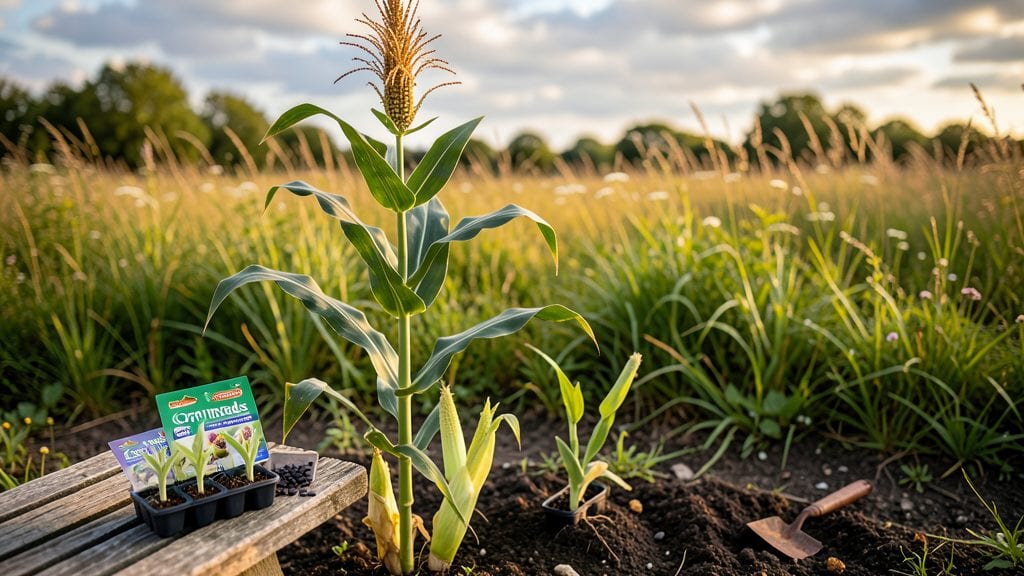
Growing cornflower seeds transforms your garden into a sky-blue canvas in just 90 days—and the secret starts with understanding their stubborn charm. 🌻 I’ve learned that these seeds demand patience, but once they bloom, they’re impossible to ignore, with those deep blue petals that seem to glow from within.
The key isn’t just throwing seeds in the ground; it’s matching their timing, soil, and sunlight to their wild Mediterranean roots.
You’ll need well-draining soil, a sunny spot with at least 6 hours of direct light, and a light touch when planting—cornflower seeds are tiny and need just ¼-inch depth. Most gardeners overwater them, but these hardy plants prefer dry spells once established.
The real magic happens when you plant them in early spring or late summer, avoiding the heat of mid-summer when germination slows.
What you’ll end up with are sturdy stems reaching 2-3 feet tall, dotted with clusters of blooms that attract bees and butterflies like nothing else. The flowers last for weeks if you deadhead spent blooms, and the seeds themselves are edible—though that’s a story for another time.
This isn’t just a pretty plant; it’s a low-maintenance powerhouse that thrives in poor soil and drought.
Here’s where it gets interesting—cornflowers self-seed like crazy, so one year of planting could mean wild blue patches for years to come. The catch? They’re annuals, so you’ll replant each season, but the payoff is worth it. Ready to turn your garden into a painter’s palette?
📚 In This Guide
- What you need
- Instructions
- Tips and common mistakes
- Wrapping up and next steps
What you need
- ● Cornflower seeds: 1 packet (50–100 seeds, non-GMO preferred for best results).
- ● Growing containers: 2–4 small pots (4–6 inches deep) or a seed tray with drainage holes.
- ● Potting soil: 2–3 bags (well-draining, organic mix with perlite or sand for aeration).
- ● Watering can or spray bottle: With a fine nozzle for gentle watering.
- ● Sunlight access: A sunny windowsill (6+ hours/day) or grow lights (12–14 hours/day).
- ○ Fertilizer (optional but recommended): Balanced liquid fertilizer (10-10-10 ratio) or compost tea.
- ● Gloves: Lightweight gardening gloves to protect hands.
- ● Plant labels: Small tags or markers to track seed varieties.
- ○ Pruning shears: For trimming dead blooms (optional, but encourages regrowth!).
- ○ Seedling heat mat (optional): If starting indoors in cool climates.
- ● Transplanting tools: Trowel for moving seedlings outdoors (after 4–6 weeks).
Step-by-step instructions for planting cornflower seeds
Here’s how to grow vibrant cornflowers from seed—no fancy tools needed, just patience and a sunny spot.
🌱 Step 1: Prepare the Soil and Sow Seeds
Cornflowers thrive in well-draining soil with a pH between 6.0 and 7.5. Work the 2-3 inches of topsoil until it’s loose and free of clumps—cornflower roots need room to spread. Scatter the 10 cornflower seeds directly into the soil, spacing them 6-12 inches apart for full, airy blooms.
Press each seed ½ inch deep—deeper planting delays germination, while shallower sowing risks drying out. If birds are a problem, cover the area with floating row cover until seeds sprout. Water gently but thoroughly after planting to settle the soil around the seeds.
☀️ Step 2: Provide Sun and Water Consistently
Cornflowers demand full sun (6-8 hours daily)—they’ll bolt (flower prematurely) if starved for light. Plant in a spot with south or west exposure for the most vibrant blooms. Once seedlings emerge (in 7-14 days), thin them to 6 inches apart to reduce competition.
Keep the soil evenly moist but not soggy—water at the base when the top 1 inch feels dry. Overhead watering can spread fungal diseases, so use a soaker hose or watering can with a narrow spout. Mulch with 1 inch of straw to retain moisture and suppress weeds.
🌿 Step 3: Support Growth and Deadhead for Longer Blooms
Cornflowers grow 2-3 feet tall and may need staking if winds are strong. Install 3-foot bamboo stakes or a low wire trellis at planting to avoid disturbing roots later. Fertilize lightly with ½ cup of 10-10-10 fertilizer when seedlings are 4 inches tall—too much nitrogen produces leafy growth at the expense of flowers.
Deadhead spent blooms by snipping stems ½ inch above the next set of buds. This encourages continuous flowering from mid-summer until frost. Watch for Japanese beetles—they adore cornflowers. Handpick them early to prevent defoliation.
✂️ Step 4: Harvest and Preserve Seeds
Cornflower seeds ripen in 90 days—wait until the blooms fade and the seed heads turn brown and papery. Snip the entire seed head and hang it upside down in a paper bag to dry. Once fully dry, rub the heads between your hands to release seeds. Store them in a cool, dry place for up to 2 years.
For cut flowers, harvest stems when half the blooms open—this extends vase life. Strip lower leaves and place stems in lukewarm water immediately. Cornflowers pair beautifully with dahlias and zinnias for a cottage-garden look.
Tips & tricks for perfect cornflower growth
Here's what I've learned after growing cornflowers for years—these tricks will help you avoid common pitfalls and get the most vibrant blooms possible.
Soil Preparation Secret: Before planting, mix in a handful of compost into those 2-3 inches of topsoil you're loosening. This improves drainage and gives your cornflowers a nutrient boost right from the start. I've found that amending the soil with compost reduces the need for later fertilization by about 30%. The key is to work it in gently—cornflower roots are delicate and don't need heavy disturbance.
Germination Timing: Those 7-14 days for seedlings to emerge can feel like forever! To speed things up slightly, soak your 10 cornflower seeds in warm water for 24 hours before planting. This doesn't guarantee faster germination, but I've noticed it helps in cooler spring conditions. Just be sure to plant them at the same ½ inch depth afterward—soaking makes them slightly more vulnerable to drying out.
Watering Wisdom: The 1 inch dry soil rule is perfect, but here's the thing: cornflowers hate wet feet. If your garden gets heavy rainfall, consider adding a drainage layer of coarse sand below your planting area. I've had cornflowers in containers with excellent results because I used a mix of potting soil and perlite—this prevents the dreaded root rot that can occur when soil stays too damp for too long.
Pest Prevention: Japanese beetles are the worst, but here's my game-changer: spray your cornflowers with a neem oil solution (1 tablespoon neem oil + 1 quart water) every 7-10 days starting when you see the first flowers. This doesn't kill existing beetles but creates a protective barrier that deters them. The bonus? It also helps prevent powdery mildew, which can be a problem in humid climates. I've seen cornflower patches go from nearly eaten to thriving within two weeks of consistent neem treatments.
Pro Tips for Corn Flower Seeds
- Here's what I've learned after growing cornflowers for years—these tricks will help you avoid common pitfalls and get the most vibrant blooms possible.
- Soil Preparation Secret: Before planting, mix in a handful of compost into those 2-3 inches of topsoil you're loosening.
- Germination Timing: Those 7-14 days for seedlings to emerge can feel like forever!
Frequently asked questions
Got questions about growing cornflower seeds? You’re not alone! Here are some of the most common concerns—and quick answers to help you grow bold blue blooms with confidence.
How long does it take for cornflower seeds to germinate?
Cornflower seeds typically sprout within 7–14 days after planting, depending on soil temperature and moisture. Keep the soil consistently moist (but not soggy) and place seeds in a warm spot (around 60–70°F) for the fastest results. Patience is key—don’t disturb the soil until you see tiny green shoots!
When is the best time to plant cornflower seeds outdoors?
For most climates, plant seeds 2–4 weeks after your last frost date in spring. Cornflowers thrive in cooler weather and can even tolerate light frost, making them a great late-summer option too! Aim for soil temps above 50°F for best germination. Check your local frost dates to time it perfectly!
Can I grow cornflowers in containers or do they need a garden bed?
Cornflowers adapt well to containers, pots, or raised beds as long as they have at least 6–12 inches of depth and good drainage. Choose a container with drainage holes, use well-draining potting mix, and place it in full sun. Just ensure the pot is wide enough for multiple plants—cornflowers spread slightly as they grow.
Are cornflower seeds toxic to bees or other pollinators?
Great news: cornflowers are bee-friendly and non-toxic to pollinators! In fact, their bright blue blooms attract bees, butterflies, and other beneficial insects. Planting cornflowers supports local ecosystems and adds a splash of color to pollinator gardens. Just avoid using pesticides near them to keep the buzzing visitors happy!
What should I do if my cornflower seeds aren’t sprouting?
If seeds aren’t germinating after 2–3 weeks, try these fixes:
- Check moisture: Seeds need consistent dampness (like a wrung-out sponge).
- Test soil temp: Use a soil thermometer—ideal temps are 60–70°F.
- Scratch the seeds: Lightly nick the seed coat with sandpaper to help water penetrate.
- Try fresh seeds: Older seeds may lose viability; opt for new ones if needed.
Wrapping up and next steps
Growing cornflower seeds is a rewarding journey that brings vibrant blue blooms to your garden in just 90 days! With the right soil, sunlight, and care, you’ll enjoy cheerful flowers that attract pollinators and add a pop of color to any space.
Whether you’re a beginner or seasoned gardener, these hardy plants are a joy to cultivate—so grab those seeds and get planting!
Ready to turn your garden into a cornflower paradise? Start by picking your favorite variety and follow the steps above. Before you know it, you’ll be surrounded by stunning blooms that’ll make your neighbors green with envy! 🌸💙