
Light Requirements
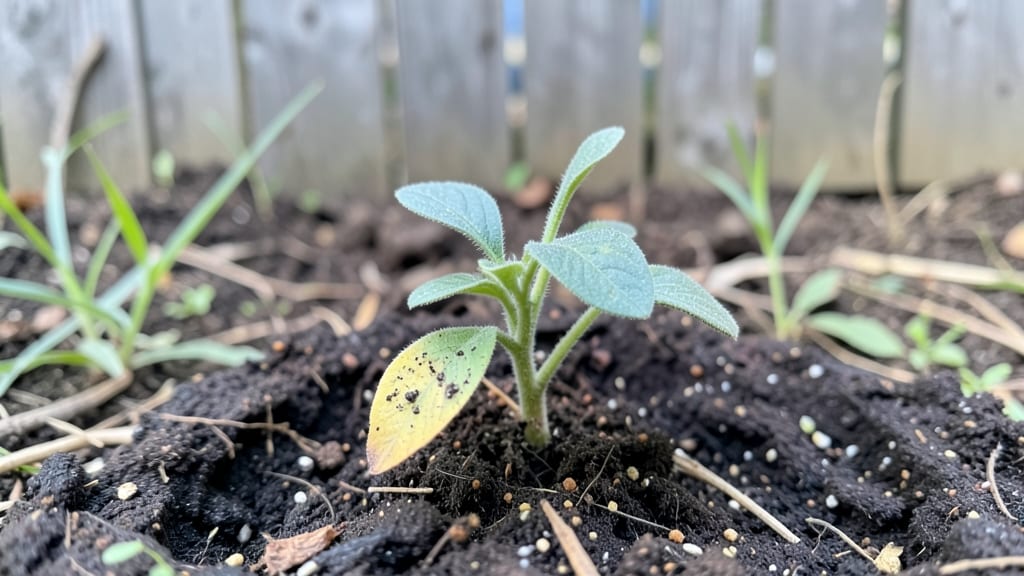
Growing Chinese lantern seedlings into next year's showstopper plants starts with sunlight mastery. ✨ The difference between lanky, weak stems and sturdy, bushy plants comes down to light exposure from day one—more than most gardeners realize.
My first batch stretched toward the window like starving teenagers, but this year’s seedlings are thick and vibrant thanks to a few key adjustments.
The secret isn’t hours of direct sun—it’s balance. Seedlings need 6-8 hours of bright, indirect light daily (a south-facing window or grow light works perfectly). Too much direct sun scorches delicate leaves, while too little causes that classic "leggy" look.
Use a simple fluorescent bulb if natural light falls short, and rotate seedlings weekly so they don’t grow crooked. Most gardeners overlook this step, but it’s the foundation for strong plants.
By the time you transplant, you’ll have seedlings with compact stems and deep green leaves, ready to handle outdoor conditions. The payoff comes next summer when those iconic paper lantern blooms light up your garden—dozens of them, not just a handful.
The key is consistency: watch for yellowing leaves (too much sun) or stretched stems (not enough), and adjust accordingly.
Works for both containers and garden beds, and adapts to partial shade if you’re in a hot climate. Here’s how to keep them thriving through the critical early stages—no guesswork, just results.
📚 In This Guide
- What you need
- Instructions
- Tips and common mistakes
- Wrapping up and next steps
What you need
- ● Chinese lantern seeds – High-quality, fresh seeds (10–20 seeds, depending on desired quantity).
- ● Seed-starting trays or small pots – Biodegradable or 4–6 inch pots (1 tray or 10–15 pots).
- ● Well-draining potting mix – Lightweight, sterile mix (e.g., 50% peat moss, 30% perlite, 20% vermiculite) (1–2 bags).
- ● Grow lights or sunny windowsill – Full-spectrum LED grow lights (12–16 hrs/day) or a south-facing window.
- ● Misting spray bottle – For gentle watering (avoid over-saturation).
- ○ Humidity dome or plastic wrap – To retain moisture (optional but helpful for germination).
- ● Fertilizer (balanced or low-nitrogen) – Diluted liquid fertilizer (e.g., 5-5-5 or 10-10-10) for seedlings.
- ● Trowel or small shovel – For transplanting seedlings.
- ○ Heat mat (optional) – Warms soil to 70–75°F (21–24°C) for faster germination.
- ● pH test kit – Ensure soil pH is 6.0–7.0 (ideal for Chinese lanterns).
- ● Label markers – To track planting dates and varieties.
- ● Pruning shears – For pinching back leggy seedlings.
Step-by-step care for Chinese lantern seedlings to Ensure next year’s stunning blooms
Here’s how to nurture your young Chinese lantern seedlings—this is where sunlight mastery begins.
☀️ Step 1: Position for Gradual Sunlight Exposure
Chinese lantern seedlings (Physalis alkekengi) thrive on bright, indirect light at first—never full sun until they’re established. I place mine on an east-facing windowsill where they get morning sun but afternoon shade. This prevents scorching while encouraging sturdy growth.
Watch for first true leaves (the second set after the initial seed leaves) as your signal to slowly introduce more sun. After 2-3 weeks, move them to a south-facing window for 4-6 hours of direct sunlight daily. You’ll see the difference in their deep green leaves and compact stems within a week.
If your seedlings stretch toward the light (a sign of etiolation), they’re not getting enough intensity. A grow light set 6-8 inches above them for 12-14 hours daily bridges the gap until outdoor conditions improve.
💧 Step 2: Water with Precision to Avoid Root Stress
Chinese lantern seedlings despise soggy soil—water only when the top inch feels dry. I use the finger test: stick your index finger into the soil; if it’s damp ½ inch down, wait another day. Overwatering leads to root rot, which kills seedlings silently.
Water at the base (not overhead) to keep foliage dry, reducing fungal risks. Use room-temperature water—cold water shocks tender roots. After watering, let excess drain completely; these plants hate sitting in moisture.
Here’s the thing—yellowing leaves often mean overwatering, but crispy edges signal underwatering. Adjust your schedule based on what you see. A self-watering pot with 1 gallon capacity keeps moisture consistent without guesswork.
🌱 Step 3: Fertilize Lightly for Strong Stem Development
Hold off on fertilizer until seedlings have 4-5 true leaves—about 6-8 weeks after sowing. At that point, I switch to a balanced, water-soluble fertilizer (like 10-10-10) diluted to half-strength. Too much too soon burns delicate roots.
Feed every 3-4 weeks during the growing season (spring to early fall). You’ll notice darker green leaves and thicker stems—these are signs your seedlings are building the strength they need for next year’s blooms.
Skip fertilizer in winter when growth slows. Chinese lanterns are perennials, and forcing them to grow then stresses the plant. Instead, focus on light and water during dormancy.
✂️ Step 4: Prune for Bushier Growth and Disease Prevention
Pinch back the top set of leaves when seedlings reach 6 inches tall to encourage branching. This simple step prevents leggy, top-heavy plants that flop over. Use clean, sharp scissors to make cuts just above a leaf node—never tear the stem.
Remove any yellow or damaged leaves immediately. These act as entry points for pests and diseases. I also deadhead spent flowers in late summer to redirect energy into next year’s growth rather than seed production.
If your seedlings get too crowded, thin them to 1 plant per 12-inch pot (or 18 inches apart in the ground). Overcrowding weakens stems and invites fungal issues. You’ll have stronger, more vibrant plants by next season.
🪴 Step 5: Prepare for Outdoor Transition
Once nighttime temperatures stay above 50°F, it’s time to harden off your seedlings. Start by placing them outside in partial shade for 1-2 hours the first day, then gradually increase exposure over 7-10 days. This toughens their skin and roots for outdoor life.
Watch for wilting or leaf drop—these are signs they’re not ready. If you see them perk up within an hour, they’re adapting well. By the end of hardening off, they should tolerate full sun without stress.
Plant in well-draining soil with morning sun and afternoon shade for the first year. Mulch around the base to retain moisture and regulate soil temperature. With proper care now, you’ll have vibrant orange lanterns next autumn—worth every step!
Tips & tricks for perfect Chinese lantern seedling care
Between us, these sunlight secrets will make your Chinese lantern seedlings thrive like a pro—no guesswork required.
Light Transition Timeline: The 2-3 week window before moving seedlings to a south-facing window is your golden opportunity to observe their growth patterns. I keep a small notebook to track when their first true leaves appear—this is your cue to increase sunlight gradually. The key is patience: sudden exposure to full sun can cause irreversible leaf scorch, especially in cloudy conditions. If you're unsure about natural light intensity, a simple LED grow light on a timer for 12-14 hours daily will give you consistent results without the risk of over-exposure.
Soil Moisture Science: That ½-inch dampness check isn't just about timing—it's about understanding your plant's root zone. I've found that seedlings in 1-gallon self-watering pots maintain perfect moisture levels because the reservoir prevents both overwatering and underwatering. The real test? After watering, lift the pot—if it feels significantly lighter, you've drained properly. For extra insurance, use a moisture meter to track soil conditions at different times of day.
Fertilizer Timing Precision: The 6-8 week mark isn't arbitrary—it's when your seedlings develop enough root mass to handle nutrients without shock. I always fertilize in the morning so any potential leaf burn from salt buildup has the entire day to dissipate. Pro tip: Mix your fertilizer solution in a separate container first, then dilute it further with water before adding to the plant. This gives you better control over concentration and prevents accidental over-application.
Pruning Strategy: When you pinch back those top leaves at 6 inches, you're not just encouraging branching—you're also promoting air circulation that prevents fungal diseases. I use sterilized scissors and make clean cuts just above leaf nodes to minimize stress on the plant. For crowded seedlings, the 12-inch spacing rule applies to both pots and garden beds—this gives roots room to establish without competing for nutrients.
Pro Tips for Chinese Lantern Seedling
- Between us, these sunlight secrets will make your Chinese lantern seedlings thrive like a pro—no guesswork required.
- Light Transition Timeline: The 2-3 week window before moving seedlings to a south-facing window is your golden opportunity to observe their growth patterns.
- Soil Moisture Science: That ½-inch dampness check isn't just about timing—it's about understanding your plant's root zone.
Frequently asked questions
Got questions about nurturing your Chinese lantern seedlings? You're not alone! Here are some of the most common queries—plus straightforward answers to help your plants thrive.
How much sunlight do Chinese lantern seedlings need?
Chinese lanterns (Physalis alkekengi) thrive in full sun to partial shade—at least 6 hours of direct sunlight daily. Young seedlings can start with 4–6 hours to avoid stress, then gradually increase exposure. Too little light? Expect leggy growth and fewer blooms. Too much? Leaves may scorch in intense afternoon sun.
When is the best time to transplant seedlings outdoors?
Wait until after the last frost and soil temps are consistently 55°F+ (13°C+). Late spring (May–June in most zones) is ideal. Harden off seedlings 7–10 days before transplanting by exposing them to outdoor conditions gradually. Plant in well-draining soil with morning sun + afternoon shade for the first few weeks.
Can I grow Chinese lanterns from store-bought lanterns instead of seeds?
Yes! Save seeds from last year’s lanterns—they’re easy to extract (cut open, scoop out the seeds, and dry them). Store-bought lanterns may not produce true-to-type plants, but they’re a fun, free alternative. For guaranteed results, opt for seed packets from nurseries. Pro tip: Label your seeds to avoid mix-ups!
Why are my seedlings turning yellow or wilting?
Yellow leaves often signal overwatering or poor drainage. Let soil dry slightly between waterings—Chinese lanterns hate soggy roots! Wilting could mean underwatering or heat stress. Check for pests (like aphids) or fungal issues (e.g., powdery mildew) on undersides of leaves. Adjust care and move seedlings to shadier spots if needed.
Do Chinese lanterns need winter care?
These perennials are cold-hardy (USDA zones 3–8), but young seedlings may need mulch or row covers in harsh winters. Established plants die back in winter but regrow in spring. In warmer climates (zones 9–10), they may stay green year-round. Prune dead foliage in early spring to encourage fresh growth.
Wrapping up and next steps
Growing a thriving Chinese lantern seedling boils down to mastering its sunlight needs—balancing bright, indirect light with gradual acclimation to prevent stress. Whether you’re nurturing it indoors or preparing for outdoor planting, consistency and observation are your best tools.
With the right light conditions, you’ll be rewarded with vibrant blooms next season that steal the show!
Ready to take the next step? Monitor your seedling’s progress weekly and adjust its light exposure as needed. Soon, you’ll have a flourishing plant that’s the envy of every gardener! 🌱✨