
Propagation
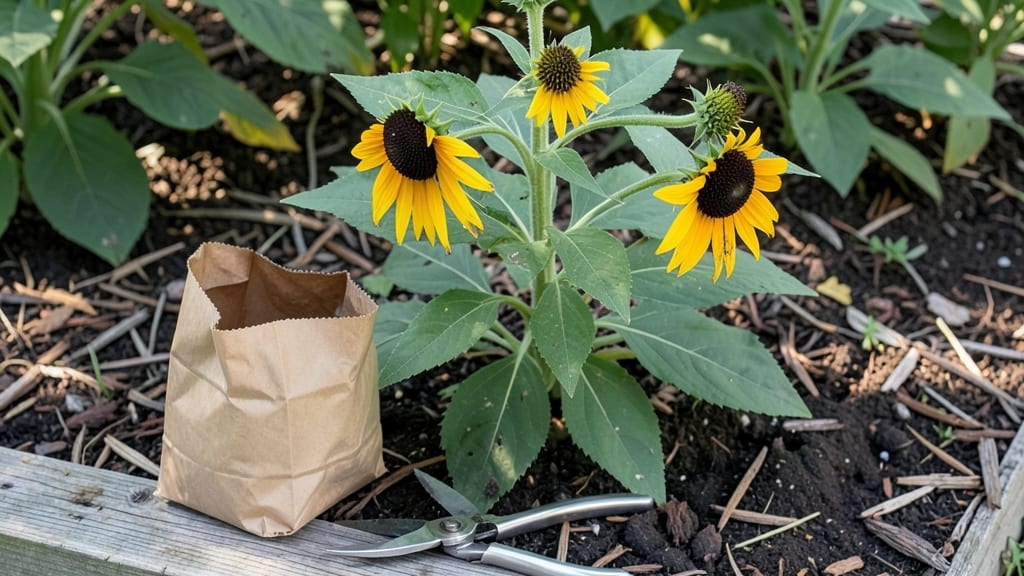
Collecting rudbeckia seeds at the right moment ensures next year's garden bursts with those cheerful golden blooms. 🌻 The key is patience—wait until the seed heads turn from green to a dry, papery brown, usually in late fall after the first frost.
I've learned that harvesting too early means immature seeds, while waiting too long risks them scattering in the wind.
You'll need a few simple tools: sharp scissors or pruners, a paper bag for drying, and a dry, well-ventilated spot. The process is straightforward: snip the seed heads just as they begin to crumble, then gently rub the dried florets between your fingers to release the seeds.
Store them in an envelope or jar in a cool, dark place until spring planting.
These seeds stay viable for up to three years if stored properly, giving you a reliable way to propagate your favorite varieties. The payoff? A garden filled with rudbeckia's signature daisy-like flowers that attract pollinators and thrive in full sun or partial shade.
For beginners, the biggest mistake is harvesting too soon—always check for that papery dryness before collecting. With this method, you'll have a steady supply of seeds for years, even if you can't find your favorite varieties in stores.
📚 In This Guide
- What you need
- Instructions
- Tips and common mistakes
- Wrapping up and next steps
What you need
- ● Rudbeckia plants – Mature, healthy Rudbeckia hirta or Rudbeckia fulgida (Black-Eyed Susan) with fully developed seed heads (brown, papery, and dry).
- ● Pruning shears or sharp scissors – For cleanly cutting seed heads (sterilize with rubbing alcohol if reusing).
- ● Paper bags or brown lunch bags – 1–2 per plant (1–2 gallons each) to collect seeds and prevent spillage.
- ● Newspaper or parchment paper – A flat surface for drying seeds (avoid plastic, which traps moisture).
- ● Small mesh bag or envelope – For long-term seed storage (e.g., blank">kraft paper envelopes or blank">breathable seed bags).
- ● Permanent marker – To label seeds with the variety name and date.
- ○ Rubbing alcohol (70% isopropyl) – Optional but helpful for sterilizing tools between cuts.
- ● Glove – A pair of gardening gloves to protect your hands from prickly seed heads.
- ● Seed drying tray – A shallow tray with holes for better airflow if drying indoors.
- ● Dehumidifier or silica gel packets – For low-humidity storage areas to prevent mold.
- ● Camera or phone – To snap photos of seed heads before harvesting for reference.
- ● Seed catalog or notebook – To track germination rates and notes on each variety.
Step-by-Step guide to collecting rudbeckia seeds
Here’s how to harvest healthy rudbeckia seeds that’ll grow into vibrant blooms next season.
🌱 Step 1: Identify Mature Seed Heads
Wait until the flower petals brown and dry out—this signals the seed heads are ready. The center cones should turn from green to a papery brown, and the seeds inside will feel firm when gently squeezed. I always check in late summer or early fall, depending on your climate.
Use clean, sharp scissors to snip the entire seed head, leaving about 1 inch of stem attached. This prevents seeds from scattering as you handle them. Avoid cutting when it’s wet—moisture makes the stems brittle and can cause the heads to crumble.
🌿 Step 2: Dry and Clean the Seed Heads
Hang the seed heads upside down in a dry, well-ventilated spot for 1-2 weeks. I tie them loosely with twine to a clothesline or hang them in a paper bag with holes for airflow. This lets the seeds fully mature and detach naturally from the cone.
Once the seeds are dry, gently rub the seed head between your hands or use a clean, dry brush to dislodge them. Place the seeds in a bowl and sift out any debris or empty husks. Store them in a paper envelope or breathable cloth bag—plastic traps moisture and can cause mold.
⏰ Step 3: Store Seeds Properly for Next Year
Label your seed envelope with the rudbeckia variety and the harvest date. Store it in a cool, dark place—like a pantry or refrigerator—where temperatures stay between 35-50°F. Rudbeckia seeds remain viable for 2-3 years if kept dry.
Check the seeds periodically for signs of dampness or pests. If you notice any mold or webbing, discard the batch immediately. Proper storage ensures you’ll have fresh, ready-to-plant seeds when spring arrives.
💧 Step 4: Test Germination (Optional but Recommended)
Before sowing, test a few seeds to confirm viability. Place 10 seeds on a damp paper towel in a sealed plastic bag and store them in a warm spot (70°F). Check daily—most rudbeckia seeds should sprout within 7-14 days.
If fewer than half sprout, your seeds may have lost vigor. In that case, consider buying fresh seeds for better results. But if they germinate well, you’re ready to plant them in well-draining soil come spring.
Tips & tricks for perfect rudbeckia seed collection
Harvesting rudbeckia seeds successfully comes down to timing and careful handling—here's what I've learned after collecting seeds for years.
Timing is Everything: The 1-2 week drying period in Step 2 is your best friend for seed viability. If you're in a humid climate, consider reducing this to 1 week to prevent mold. I've found that hanging seed heads in a well-ventilated garage or shed works perfectly when outdoor humidity spikes. The key is watching for that papery brown color in Step 1—don't rush it, even if the petals look dry.
Storage Wisdom: That 35-50°F range in Step 3 isn't just arbitrary—it's the perfect balance to keep seeds dormant without losing viability. I store my seed envelopes in the back of my refrigerator where temps stay consistently around 40°F. For extra protection, place a small silica gel packet in each envelope to absorb any moisture that might sneak in. This simple trick has kept my seeds viable for all 3 years.
Germination Test Insights: The 10-seed test in Step 4 reveals more than just viability—it shows how quickly your seeds will grow. If they sprout within 7 days, you're golden. If they take the full 14 days, your seeds are still good but may need a little extra warmth when planting. I've noticed that seeds stored in cooler spots (closer to 35°F) often take the full 14 days, while those kept around 45°F sprout faster.
Equipment Upgrade: Don't have twine? Use old pantyhose or clean nylon stockings to hang your seed heads—they're breathable and strong. For cleaning seeds, a fine mesh strainer works better than hands for removing debris, especially if you're dealing with multiple seed heads. I keep one dedicated strainer just for seed cleaning to avoid cross-contamination with kitchen food.
Pro Tips for Collect Rudbeckia Seeds
- Harvesting rudbeckia seeds successfully comes down to timing and careful handling—here's what I've learned after collecting seeds for years.
- Timing is Everything: The 1-2 week drying period in Step 2 is your best friend for seed viability.
- Storage Wisdom: That 35-50°F range in Step 3 isn't just arbitrary—it's the perfect balance to keep seeds dormant without losing viability.
Frequently asked questions
Got questions about collecting rudbeckia seeds? You’re not alone!
Here are the most common concerns—and straightforward answers—to help you succeed in saving and growing your own seeds.
When is the best time to harvest rudbeckia seeds?
Collect seeds when the papery, brownish cones (receptacles) form at the center of the flower heads, usually 4–6 weeks after blooming (late summer to early fall). Wait until the cones dry out and turn light brown—don’t harvest too early, or seeds won’t be fully mature!
How do I know if rudbeckia seeds are ready to collect?
Check for these signs:
- Dry, papery cones: The center should crumble easily when touched.
- Light brown color: Dark green or moist centers mean seeds aren’t ready.
- Seeds rattle: Shake the flower head—if seeds jingle inside, they’re ripe!
Can I collect rudbeckia seeds from store-bought flowers?
Probably not! Most commercial rudbeckias (especially hybrids like ‘Goldsturm’) are sterile and won’t produce viable seeds. For seed-saving, choose open-pollinated varieties or grow from seeds labeled “for propagation.” Check seed packets for this info!
What if my rudbeckia seeds won’t germinate?
Try these fixes:
- Stratification: Cold-moisten seeds in a sealed bag for 4–6 weeks in the fridge before planting.
- Fresh seeds: Store-bought seeds lose viability fast—plant within 1–2 years for best results.
- Patience: Rudbeckia seeds can take 2–4 weeks to sprout; keep soil consistently moist but not soggy.
How should I store rudbeckia seeds for next year?
For long-term storage:
- Dry completely: Spread seeds on paper towels for 1–2 weeks in a cool, dark place.
- Air-tight container: Use a paper envelope or glass jar with a silica gel packet to absorb moisture.
- Label clearly: Note the variety and harvest date—seeds last 2–3 years if stored properly at 35–40°F.
Wrapping up and next steps
Collecting rudbeckia seeds is a rewarding way to grow these cheerful blooms year after year!
By timing your harvest—when seed heads turn brown and papery—and using the right techniques, you’ll ensure strong germination for next season’s garden. Now that you’re equipped with the know-how, grab those seed pods and get ready to propagate your own rudbeckia patch!
Ready to dive deeper? Try experimenting with seed storage methods—like refrigeration or paper envelopes—to test what works best for your climate. Happy gardening! 🌱✨