
Watering
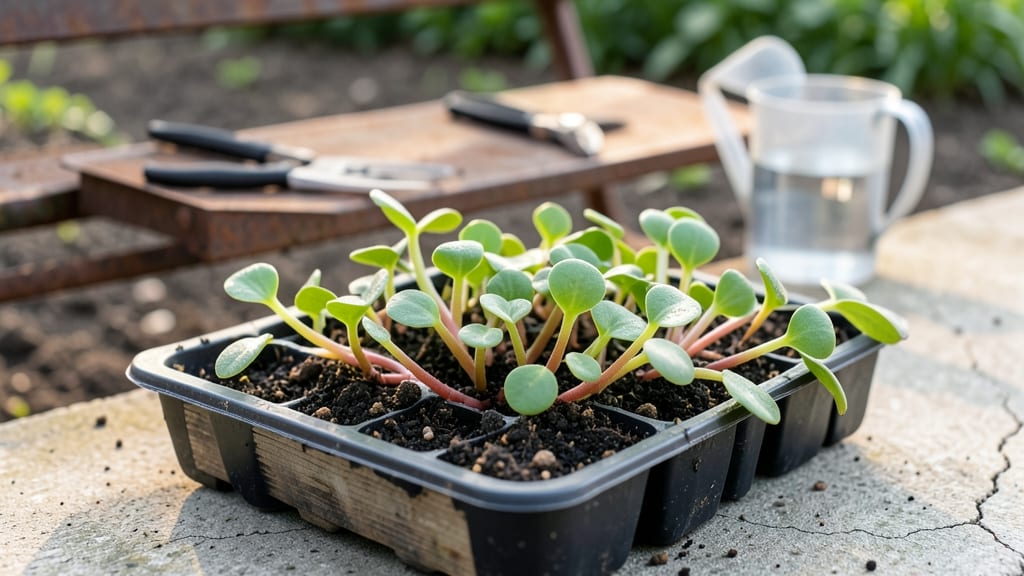
Common purslane seedlings pop up faster than you can say "succulent salad" — sometimes in just 3-5 days after planting. 🌱 I’ve watched these tiny, glossy sprouts push through soil like they’re racing the clock, and once you see that first flush of bright green, you’ll understand why gardeners swear by them.
The secret isn’t fancy equipment; it’s knowing how to coax them along without drowning their roots or letting them bake in the sun.
Start with a shallow tray or flat filled with light, well-draining soil—purslane hates soggy feet. Keep the mix barely moist (think damp sponge, not swamp), and place the tray in bright, indirect light until they’re about an inch tall.
That’s when you’ll notice their signature thick stems and rounded leaves, a dead giveaway they’re thriving. Too much water or shade, and they’ll stretch leggy and weak—exactly what you don’t want from a plant that’s supposed to grow fast.
Once your seedlings hit that 1-inch mark, it’s time to thin them to 2-3 inches apart in their final spot. Purslane’s shallow roots mean it doesn’t need deep soil, but it does love warmth—so wait until nighttime temps stay above 50°F before transplanting.
The payoff? Bushy, heat-loving plants that produce edible stems and leaves all summer long, with almost zero fuss. Here’s how to keep them on that fast track.
Pro tip: If you’re growing in containers, a 5-gallon pot gives them room to sprawl without competing for space. And if pests like aphids show up (they love purslane too), just blast them off with water—no chemicals needed.
The key is speed, and once you master these steps, you’ll have a self-sustaining harvest in no time.
📚 In This Guide
- What you need
- Instructions
- Tips and common mistakes
- Wrapping up and next steps
What you need
- ● Common purslane seeds: 1 packet (about 50–100 seeds, depending on your needs). Look for organic, non-GMO seeds for best results.
- ● Seed-starting trays or pots: 2–4 small containers (2–3 inches deep) with drainage holes. Biodegradable peat pots work great!
- ● High-quality seed-starting mix: 1–2 bags (sterile, well-draining potting soil with perlite or vermiculite). Avoid garden soil—it’s too dense!
- ● Watering can or spray bottle: A fine-mist sprayer helps keep seeds moist without disturbing them.
- ● Clear plastic dome or plastic wrap: To create a mini greenhouse effect and retain humidity.
- ● Grow lights or sunny windowsill: A full-spectrum LED grow light (or a south-facing window) for 6–8 hours of light daily.
- ● Seedling heat mat: Speeds up germination (70–75°F is ideal).
- ● Fertilizer (balanced, water-soluble): Diluted to half-strength once seedlings sprout (e.g., 5-5-5 or fish emulsion).
- ● Tweezers or small spoon: For gently placing tiny seeds.
- ● Humidity tray: A shallow tray with pebbles and water to boost moisture levels.
How to grow common purslane seedlings for fast, healthy growth
Purslane thrives when you know its quirks—here’s how to get seedlings off to a flying start.
🌱 Step 1: Prepare Soil for Speedy Germination
Purslane seeds germinate fastest in warm, well-draining soil. Mix 1 part potting mix with 1 part perlite to create a loose, airy medium that prevents damping-off. Spread the mixture in your seed tray or small pots—just ½ inch deep is enough. Moisten it with lukewarm water until damp but not soggy. Purslane hates soggy roots, so drainage is critical.
Here’s the thing—purslane seeds are tiny, so I sift the mix through a fine mesh to avoid burying them too deep. A light misting keeps the surface moist without disturbing the seeds. You’ll see germination in 3-7 days, but only if the soil stays consistently warm (70-80°F). A seedling heat mat helps if your home runs cooler.
💧 Step 2: Sow Seeds and Maintain Moisture Without Overdoing It
Scatter purslane seeds sparingly—they’re tiny but prolific. A pinch between your fingers covers about 50 seeds, and that’s plenty for a 4-inch pot. Press them gently into the soil surface; they don’t need light to germinate, so no need to bury them. Mist the tray lightly with water until the soil is evenly damp but not wet.
Cover the tray with a clear plastic dome or plastic wrap to trap warmth and humidity. Check daily but resist the urge to water again until the soil feels dry to the touch. Overwatering now will smother the seeds. You’ll know it’s time to water when the surface looks slightly dry—about 2-3 days after sowing, depending on humidity.
☀️ Step 3: Provide Warmth and Light for Fast Sprouting
Purslane seedlings need warmth to sprout quickly. Place the tray in a spot where the soil stays above 70°F, like on top of a refrigerator or near a sunny window. Once the first sprouts appear—thin, bright green needles—remove the plastic cover immediately. Too much humidity after germination invites mold, and purslane hates damp leaves.
Move seedlings to bright, indirect light for the first week. Direct sun can scorch tiny purslane leaves, so a south-facing window with sheer curtains works best. If growth slows or stems stretch (a sign of legginess), switch to grow lights kept 4-6 inches above the plants. You’ll see compact, sturdy growth within 7-10 days if light and warmth are right.
🌿 Step 4: Thin Seedlings for Stronger Plants
Once seedlings have 2-3 true leaves (the second set after the initial cotyledons), it’s time to thin. Use small scissors or your fingers to snip or gently pull the weakest seedlings, leaving the strongest 1-2 inches apart. Purslane is drought-tolerant, so thinning reduces competition for water and nutrients.
Real talk: Don’t skip this step. Crowded purslane seedlings grow leggy and weak, and you’ll end up with fewer, smaller plants. After thinning, water lightly at the base—avoid wetting the leaves to prevent disease. You’ll notice the remaining seedlings perk up within 24 hours, growing thicker and greener.
✂️ Step 5: Harden Off and Transplant for Outdoor Success
Two weeks before your last frost, start hardening off purslane seedlings. Place them outside in a shaded, sheltered spot for 1-2 hours the first day, gradually increasing time over 7-10 days. Purslane is heat-tolerant but sensitive to cold snaps, so wait until nighttime temps stay above 50°F before transplanting.
Transplant seedlings into the garden or containers with well-draining soil and space them 6-8 inches apart. Water deeply at the base to settle the roots, and avoid overhead watering. You’ll see new growth within 3-5 days—a sign the plants are thriving. Harvest leaves as needed, but let the plant mature for 4-6 weeks before full harvest to ensure robust growth.
Tips & tricks for perfect common purslane seedlings
Fast germination isn't luck—it's about precision with these proven tricks for purslane success.
Soil Temperature is Everything: Those 70-80°F soil temps in Step 1 aren't just suggestions—they're non-negotiable for speed. I've seen germination double when soil hits 75°F consistently. Use a seedling heat mat if your home runs cooler, and avoid placing trays on cold surfaces like concrete floors. Even a 5°F drop can delay sprouting by days.
Lighting Hack for Leggy Seedlings: In Step 3, when you notice stems stretching toward light, it's time to act fast. Move seedlings to grow lights 4-6 inches away immediately—they need this intense, consistent light to stay compact. I keep my lights on a timer for 14 hours/day during the first week, which prevents that weak, spindly growth that's so frustrating.
Thinning Timing Matters More Than You Think: The 24-hour recovery period after thinning in Step 4 is your secret weapon. This isn't just about aesthetics—it's when roots establish themselves properly in the soil. If you thin too early, you'll stress the plants unnecessarily. Wait until you see those 2-3 true leaves before making cuts, and always use clean scissors to avoid disease transfer.
Hardening Off Shortcut: For the 1-2 hour daily increments in Step 5, I start with just 30 minutes on the first day if temps are mild. Gradually increase by 30 minutes each subsequent day. This gradual approach prevents shock while still building resilience. And here's the pro move: I always harden off in the morning—plants handle afternoon temperature swings better when they've had time to acclimate.
Pro Tips for Common Purslane Seedling
- Fast germination isn't luck—it's about precision with these proven tricks for purslane success.
- Soil Temperature is Everything: Those 70-80°F soil temps in Step 1 aren't just suggestions—they're non-negotiable for speed.
- Lighting Hack for Leggy Seedlings: In Step 3, when you notice stems stretching toward light, it's time to act fast.
Frequently asked questions
Got questions about growing common purslane seedlings? You’re not alone! Here are answers to the most common queries to help you nurture healthy, fast-growing plants with ease.
How long does it take for common purslane seedlings to germinate?
Common purslane seeds are super fast—expect germination in just 3 to 7 days when planted in warm soil (70–85°F). Keep the soil consistently moist (not soggy) and place the tray in a sunny spot or under grow lights. Patience pays off, but don’t worry if sprouts peek up sooner!
Can I grow common purslane seedlings indoors before transplanting outdoors?
Start seeds indoors 4–6 weeks before the last frost using small pots or trays. Use a well-draining seed-starting mix and keep them in a warm, sunny window or under LED grow lights (12–16 hours/day). Harden off seedlings for 7–10 days before transplanting to avoid shock.
How often should I water common purslane seedlings?
Keep soil evenly moist but not waterlogged—water when the top inch feels dry (usually every 2–3 days). Overwatering can cause damping-off, so use a spray bottle or gentle watering can. Once seedlings develop true leaves, reduce frequency slightly to encourage root strength.
What if my common purslane seedlings look leggy or weak?
Leggy seedlings mean they’re stretching for light. Move them closer to a sunny window or grow lights (6–8 inches away) and rotate pots daily for even growth. If they’re already too tall, transplant them deeper into soil—purslane roots can handle it! Avoid overcrowding too.
Are there any alternatives to common purslane for fast-growing greens?
If you love purslane’s speed but want variety, try these quick-sprouting options:
- Baby spinach (5–10 days to germinate)
- Radish greens (4–6 days)
- Arugula (5–10 days)
- Microgreens (like broccoli or sunflower) (3–7 days)
Wrapping up and next steps
Growing common purslane seedlings is a rewarding journey—especially when you harness their fast-germination superpowers! 🌱 With the right soil, moisture, and a little patience, you’ll soon enjoy lush, nutrient-packed greens. Remember, consistency in watering and sunlight is key to keeping those young sprouts thriving.
Ready to take the next step? Start small—whether in a windowsill garden or a dedicated plot—and watch your purslane grow like a pro! 💚 Happy planting!