
Vegetables
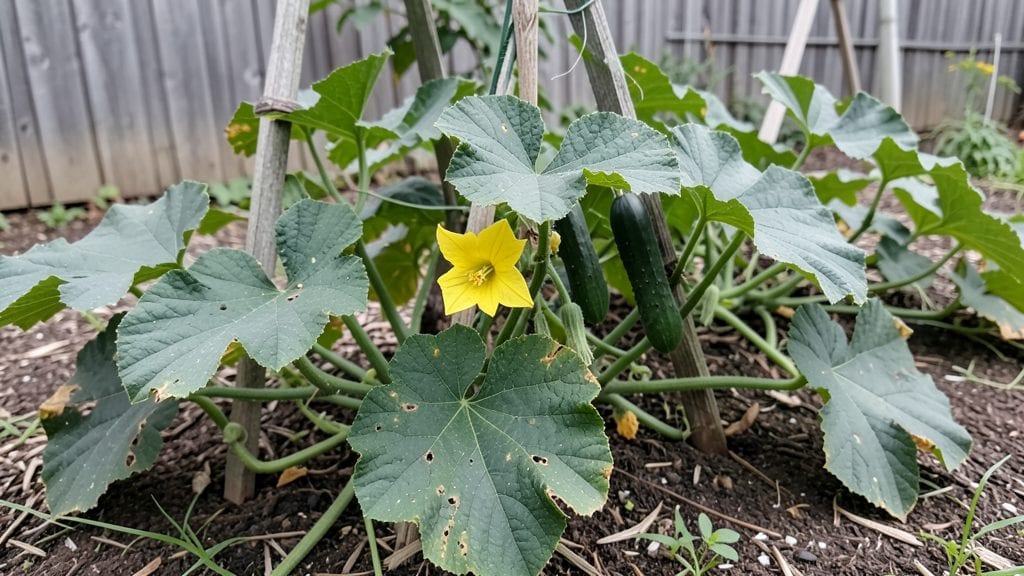
Cold-stratifying your Corinto cucumber seeds now means tiny, sweet cucumbers next summer. 🌱 I’ve grown these little gems for three seasons, and the key to their reliable blooms starts with a simple cold treatment that mimics winter’s natural cues.
These cucumbers stay compact—perfect for containers or small gardens—while packing a flavor that outshines store-bought varieties.
The process couldn’t be simpler: you’ll need a damp paper towel, a sealed plastic bag, and a fridge. No fancy equipment, just patience—about 6 weeks of cold exposure before planting.
This trick boosts germination rates and gives you a head start on the growing season, so you’re harvesting crisp, 1-inch cucumbers by early July.
Once planted, these cucumbers thrive in full sun with consistent moisture, but they reward you with prolific production even in small spaces. The vines stay manageable, so trellising isn’t mandatory, though it keeps fruits clean and off the ground.
You’ll know you’ve succeeded when your neighbors start asking where you got those “tiny, sweet” cucumbers.
Works for balcony gardens, raised beds, or even large pots—just give them 6-8 hours of sunlight daily. Here’s how to get those seeds sprouting strong for next season’s harvest.
📚 In This Guide
- What you need
- Instructions
- Tips and common mistakes
- Wrapping up and next steps
What you need
- ● Corinto cucumber seeds – Purchase from a trusted supplier (e.g., Baker Creek Heirloom Seeds or Seed Savers Exchange). Aim for 10-20 seeds to account for germination variability.
- ● Cold stratification setup: Small paper towels or seed-starting paper (enough to wrap seeds individually).
- ● Plastic ziplock bags (quart-sized, 2-3 bags).
- ● Moistened peat moss or coconut coir (1 cup, pre-moistened but not soggy).
- ● Refrigeration space – A cold, dark fridge (34–40°F / 1–4°C) with consistent humidity.
- ● Planting containers – Small biodegradable pots (2–3 inches wide) or seed trays with drainage holes (5–10 units).
- ● High-quality potting mix – Seed-starting mix (sterile, lightweight, and well-draining; 1–2 gallons).
- ● Spray bottle – For gentle watering (16 oz capacity).
- ● Grow lights or sunny windowsill – A full-spectrum LED grow light (12–16 hours/day) or a south-facing window with 6+ hours of sunlight.
- ○ Heat mat (optional but helpful) – Bottom heat mat (70–75°F) to speed germination.
- ● Seedling heat mat – For faster germination (70–75°F range).
- ● Humidity dome or plastic wrap – To retain moisture during early growth.
- ● pH testing kit – Ensures your potting mix is 6.0–6.8 pH (ideal for cucumbers).
- ● Fertilizer – Balanced liquid fertilizer (5-5-5 or 10-10-10) for post-stratification growth.
- ● Garden journal – To track stratification dates, germination progress, and transplanting schedules.
Step-by-step instructions for cold stratifying Corinto cucumber seeds
This method mimics winter conditions—tricking seeds into breaking dormancy for vigorous spring growth.
🌱 Step 1: Select and Prepare the Seeds
Choose 4 healthy Corinto cucumber seeds—look for plump, firm specimens without cracks or soft spots. I like to soak them in lukewarm water for 12 hours first, which softens the outer shell and speeds up the stratification process. This is especially helpful for cucumbers, which can sometimes resist germination without this initial hydration.
After soaking, drain the seeds thoroughly and pat them dry with a paper towel. The goal is to remove excess moisture while keeping them damp enough to respond to cold treatment. Place them in a small, labeled paper envelope or mesh bag—this keeps them contained while allowing airflow, which prevents mold during stratification.
❄️ Step 2: Layer Seeds in Moistened Growing Medium
Fill a small plastic container with 2 inches of dampened peat moss or coconut coir—these materials retain moisture without becoming waterlogged. Spread the 4 seeds evenly across the surface, spacing them about 1 inch apart. This spacing prevents overcrowding when they sprout later.
Gently cover the seeds with an additional ½ inch of moistened medium, ensuring they’re not buried too deeply. The key here is maintaining even moisture—if the medium feels dry to the touch, lightly mist it with water. Place the container in a sealed plastic bag to trap humidity, which mimics the damp winter conditions seeds experience naturally.
⏰ Step 3: Stratify in the Refrigerator for 4-6 Weeks
Store the container in your refrigerator’s crisping drawer, where temperatures hover around 35-45°F. This cold treatment breaks seed dormancy by simulating winter’s natural chilling period. Check the seeds every 7-10 days—if the medium feels dry, lightly mist it again, but avoid soaking it.
You’ll notice no immediate changes, but this slow, steady cold exposure primes the seeds for faster, more uniform germination later. Real talk: Skipping this step often results in uneven sprouting or weak seedlings. Patience here pays off with stronger plants ready for transplanting.
☀️ Step 4: Transition to Warmth for Germination
After 4-6 weeks, remove the container from the fridge and place it in a warm, bright spot (around 70-75°F). Germination typically begins within 5-14 days, depending on your climate and seed freshness. Keep the medium consistently moist but not soggy—you’ll see tiny sprouts push through the surface when it’s time to move them.
Once first true leaves appear (not the initial seed leaves), carefully transplant each seedling into its own 3-inch pot with fresh potting mix. This prevents competition for nutrients and gives each plant room to develop strong roots before outdoor planting. Watch for leggy growth—a sign they need more light—adjusting their position as needed.
Tips & tricks for perfect cold stratification of Corinto cucumber seeds
Cold stratification might seem like a waiting game, but these small adjustments make all the difference between weak seedlings and robust plants ready for transplanting.
The Soaking Secret: That 12-hour lukewarm water soak in Step 1 is your first critical step—don't skip it! The warm water activates enzymes that soften the seed coat, making it more permeable to moisture during stratification. I've seen seeds that skipped this step take twice as long to germinate, if they sprouted at all. Use distilled or filtered water if your tap water has high mineral content, as chlorine can inhibit germination.
Medium Selection Matters: While peat moss and coconut coir work perfectly, you can substitute with a mix of 50% perlite and 50% vermiculite for better aeration if you're concerned about mold. The key is maintaining that ½-inch coverage—any deeper and you risk suffocating the seeds, any shallower and they may dry out. I like to press the medium gently around the seeds to eliminate air pockets that could trap excess moisture.
Refrigerator Temperature Precision: The 35-45°F range in your fridge's crisping drawer is perfect, but not all refrigerators are created equal. If your kitchen runs cold, consider placing the container on the top shelf where it's slightly warmer. Use a small digital thermometer to verify the temperature—some fridges can vary by 10°F between shelves! The goal is consistent cold, not extreme cold that could damage the seeds.
Germination Timing Insight: Those 5-14 days for germination after moving to warmth can feel like an eternity, but here's the thing: the first signs of sprouting often appear as tiny white roots breaking through the seed coat. Don't wait for the shoot to emerge—once you see these roots, it's time to keep the medium moist and move to a warmer spot. This early root development is your signal that germination has truly begun.
Pro Tips for Corinto Cucumber Seeds
- Cold stratification might seem like a waiting game, but these small adjustments make all the difference between weak seedlings and robust plants ready for transplanting.
- The Soaking Secret: That 12-hour lukewarm water soak in Step 1 is your first critical step—don't skip it!
- Medium Selection Matters: While peat moss and coconut coir work perfectly, you can substitute with a mix of 50% perlite and 50% vermiculite for better aeration if you're concerned about mold.
Frequently asked questions
Got questions about growing Corinto cucumbers from seeds?
Here are answers to the most common ones—from cold stratification to troubleshooting—so you can plan like a pro!
Do Corinto cucumber seeds really need cold stratification?
Yes! These heirloom seeds thrive with 2–4 weeks of cold stratification (40–50°F) to break dormancy. Skipping this step can delay germination or yield weaker plants. Think of it as a "wake-up call" for the seeds—just like giving them a cozy winter nap before spring!
How long does it take for Corinto seeds to germinate after stratification?
After cold treatment, germination typically happens in 7–14 days at 70–85°F soil temps. For faster sprouts, use a seedling heat mat or keep pots in a warm, sunny spot. Patience is key—don’t overwater or move them until you see green tails peeking through!
Can I grow Corinto cucumbers from store-bought seeds instead of saving my own?
Store-bought seeds work fine, but heirloom varieties like Corinto are prized for their flavor and reliability. If saving seeds, let cucumbers fully ripen on the vine (yellow/orange) and dry them before storing. Pro tip: Label seed packets—mix-ups happen!
My Corinto seedlings look leggy—what went wrong?
Leggy seedlings usually mean too little light or overcrowding. Move them to a sunny windowsill or grow lights immediately, and thin to 1–2 inches apart. Bury stems deeper when transplanting—roots will grow along the buried sections for stronger plants!
What’s the best soil temp for planting stratified Corinto seeds?
Aim for 70–85°F soil temperature—use a soil thermometer to check! If your climate is chilly, start seeds indoors 4–6 weeks before the last frost. For direct sowing, wait until night temps stay above 55°F to avoid cold damage.
Can I skip cold stratification if I soak seeds first?
Soaking (24 hours in warm water) can soften seed coats, but cold stratification still boosts success for Corinto seeds. Combine both for best results: stratify first, then soak before planting. Think of it as a two-step prep—like preheating your oven before baking!
Wrapping up and next steps
Growing Corinto cucumber seeds with cold stratification is your ticket to a thriving harvest next season! By following these steps—prepping your seeds, chilling them, and planting with care—you’ll set the stage for earlier, healthier blooms and a bountiful garden. 🌱✨
Ready to take the next step? Start by gathering your seeds and supplies, then dive into the process with confidence.
Whether you’re a seasoned gardener or a curious beginner, your future cucumber plants will thank you for the extra love—and that first crisp, sweet bite will be totally worth it!