
Propagation
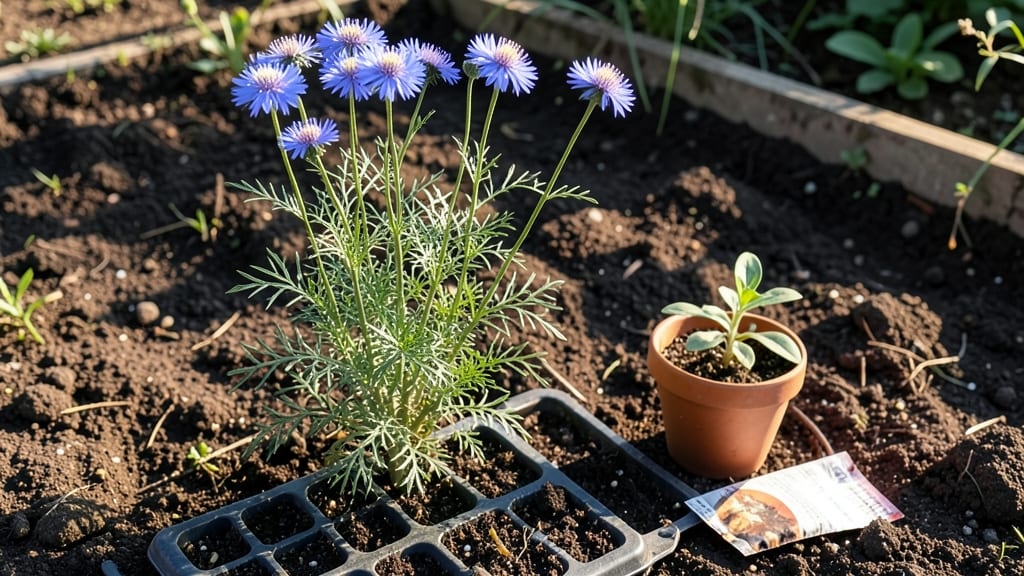
Growing cornflower from seed delivers sky-blue blooms that outshine store-bought bouquets—60 days from seed to showstopping flowers. I’ve watched these delicate stems transform my garden from ordinary to jaw-dropping, and the secret starts with the right timing and soil.
These seeds are tougher than they look, but they need just the right conditions to unlock their full potential.
The magic begins with well-drained soil—cornflowers hate soggy roots—and planting them ¼ inch deep in full sun. Scatter seeds directly where they’ll bloom (they dislike transplanting), and keep the soil lightly moist until sprouts appear in 7-14 days.
Too much water? Seeds rot. Too little? They’ll wait patiently, but don’t push your luck—consistency is key.
By day 45, you’ll see those first velvety blue petals pushing through, and by day 60, your garden will be alive with movement as bees and butterflies flock to them.
The flowers stay fresh when cut, making them a gardener’s secret for long-lasting bouquets. Once established, they self-seed like crazy—next year, you’ll have even more.
Perfect for cottage gardens, wildflower meadows, or even container edges. Whether you’re a first-timer or a seasoned grower, these seeds deliver foolproof results with minimal fuss. Let’s get those seeds in the ground—your garden’s about to get a whole lot more dramatic.
📚 In This Guide
- What you need
- Instructions
- Tips and common mistakes
- Wrapping up and next steps
What you need
- ● Cornflower seeds: 1 packet (typically contains 100-500 seeds, depending on the brand). Look for Centaurea cyanus varieties for classic blue blooms.
- ● Seed-starting soil or potting mix: 1 bag (5-10 quarts). Use a lightweight, well-draining mix designed for seeds or seedlings.
- ● Containers or seed trays: Option 1: 4-6 biodegradable seed pots (2-3 inches deep) or peat pellets.
- ● Option 2: A seed tray with individual cells (10-20 cells).
- ● Watering can or spray bottle: With a fine mist setting to avoid disturbing seeds.
- ○ Grow lights or sunny windowsill: A 12-16 inch fluorescent grow light (optional if starting in spring/summer with natural sunlight).
- ● Garden gloves: To keep hands clean while handling soil and seeds.
- ● Plant labels: Small tags or markers to label your cornflower seedlings.
- ● Fertilizer: Balanced liquid fertilizer (e.g., 10-10-10 or 20-20-20) for seedlings.
- ○ Slow-release granular fertilizer (optional for transplanting).
- ● Transplanting tools: Small trowel or spoon for moving seedlings.
- ● Garden twine or stakes (if growing cornflowers as cut flowers or tall varieties).
- ● Mulch: Straw or shredded leaves to retain moisture and suppress weeds in the garden bed.
- ● Outdoor space: A sunny garden bed (full sun, 6+ hours/day) or large containers (at least 6 inches deep).
Step-by-Step instructions for growing cornflowers from seed
Here's how I transform delicate cornflower seeds into vibrant garden blooms in just two months.
Prepare the Seed Starting Mix and Containers
Use the lightweight seed-starting mix to fill small biodegradable pots or a shallow tray to a depth of 1 inch below the rim. Press the mix gently with your fingers to remove air pockets while keeping it loose enough for tender roots to establish. I like to tap the container lightly on the table to settle the soil evenly—this prevents uneven germination later.
Moisten the mix until it feels like a wrung-out sponge: damp but not dripping. Overwatering now creates a soggy environment that invites damping-off disease. Sprinkle a pinch of slow-release fertilizer over the surface and work it into the top ½ inch of soil. This gives seedlings a nutrient boost without risking salt burn from concentrated fertilizers.
Sow Seeds at the Correct Depth and Spacing
Scatter cornflower seeds thinly across the surface—don't bury them. These tiny seeds need light to germinate, so press them gently into the top ¼ inch of soil rather than covering them completely. I use a toothpick to create small furrows if needed, then space seeds about 1 inch apart in rows 2 inches apart for easy thinning later.
Mist the surface lightly with water until the soil looks uniformly moist but not wet. Place the tray in a warm spot (65-75°F) where it receives indirect light—a south-facing windowsill works well. Cover the tray with a humidity dome or plastic wrap to retain moisture. Check daily for condensation; if the dome fogs up, remove it for 30 minutes to prevent fungal growth.
Provide Optimal Light and Temperature for Germination
Cornflower seeds typically germinate in 7-14 days, though cooler temperatures may extend this to 3 weeks. Keep the soil consistently moist—never let it dry out completely—but avoid soggy conditions. Once seedlings emerge, remove the humidity dome immediately to prevent damping-off, a fungal disease that causes seedlings to collapse.
Move the tray to a bright location with 6-8 hours of sunlight daily as soon as sprouts appear. If growing indoors, supplement with a grow light positioned 4 inches above the seedlings. You’ll notice healthy seedlings developing first true leaves (the second set after the initial cotyledons) within 2-3 weeks. At this stage, thin weaker seedlings to leave the strongest 3-4 inches apart in the pot.
Harden Off and Transplant Seedlings
Two weeks before your last frost date, begin hardening off seedlings by placing them outdoors in a sheltered, shaded spot for 1-2 hours the first day. Gradually increase exposure over 7-10 days, moving them to morning sun before transitioning to full sunlight. Watch for wilting or yellowing leaves—these are signs they’re not ready for full sun yet.
Transplant seedlings into the garden after all danger of frost has passed and soil temperatures reach 55°F. Space them 12-18 inches apart in well-draining soil amended with compost. Water deeply at planting to settle the roots, then maintain 1 inch of water per week, adjusting for rainfall. Mulch with 2 inches of straw to retain moisture and suppress weeds.
Maintain Through Bloom and Prepare for Next Season
Cornflowers thrive with minimal care once established. Deadhead spent blooms to encourage continuous flowering through the season. Fertilize lightly every 4-6 weeks with a balanced, water-soluble fertilizer diluted to half strength—too much nitrogen reduces flowering. Watch for aphids or powdery mildew; treat with neem oil if needed.
In late fall, cut back stems to 2 inches above ground level and add the plant debris to your compost pile. Mark the planting area with stakes or flags if you plan to resow cornflowers in the same spot next year—they self-seed readily, but thinning ensures stronger plants. Store leftover seeds in a cool, dry place for future plantings.
Tips & tricks for perfect cornflower seed germination and growth
Transforming tiny cornflower seeds into vibrant garden blooms requires patience and precision—here's how to maximize your success from the very first steps.
Soil Preparation Secret: In Step 1, when filling your biodegradable pots to 1 inch below the rim, I recommend sterilizing your lightweight seed-starting mix first by baking it at 200°F for 30 minutes. This eliminates any dormant pathogens that could cause damping-off disease later. The gentle tapping technique you use to settle the soil is perfect—just be sure to avoid compacting it too much, as cornflower roots need that loose structure to establish quickly.
Germination Environment: The 65-75°F warm spot mentioned in Step 2 is ideal, but if your home runs cooler, consider using a seedling heat mat set to 70°F beneath your tray. For humidity control, I've found that removing the dome for those 30-minute ventilation periods every other day (rather than daily) often works better—it prevents that fungal buildup while still maintaining adequate moisture. Watch for condensation on the dome's underside as your signal to ventilate.
Light Transition Strategy: When moving seedlings to 6-8 hours of sunlight in Step 3, I recommend a gradual transition over 3-4 days rather than all at once. Start with 2 hours of direct light on day one, increasing by 1-2 hours daily. This prevents the seedlings from getting sunburned, which can happen surprisingly quickly with their delicate leaves. The 4-inch distance for grow lights is perfect—just remember to raise it as seedlings grow to maintain that distance.
Transplanting Timing: The soil temperature threshold of 55°F in Step 4 is critical, but I've learned the hard way that checking soil temperature with a thermometer is worth the investment. Many gardeners rely on air temperature, but soil warms up more slowly. For the 1-2 inch spacing during thinning, use a small spoon to gently lift seedlings rather than pulling—their roots are incredibly fragile at this stage.
Pro Tips for Cornflower From Seed
- Transforming tiny cornflower seeds into vibrant garden blooms requires patience and precision—here's how to maximize your success from the very first steps.
- Soil Preparation Secret: In Step 1, when filling your biodegradable pots to 1 inch below the rim, I recommend sterilizing your lightweight seed-starting mix first by baking it at 200°F for 30 minutes.
- Germination Environment: The 65-75°F warm spot mentioned in Step 2 is ideal, but if your home runs cooler, consider using a seedling heat mat set to 70°F beneath your tray.
Frequently asked questions
Got questions about growing cornflowers from seed? You’re not alone! Here are some of the most common queries—and their easy answers—to help you cultivate a vibrant garden with confidence.
How long does it take for cornflower seeds to germinate?
Cornflower seeds typically sprout in 7 to 14 days after planting, depending on soil temperature and moisture. Keep the soil consistently moist (but not soggy) and place your tray in a warm, sunny spot to speed up germination. Patience is key—some seeds may take a little longer!
Can I grow cornflowers indoors before transplanting?
Start seeds indoors 4 to 6 weeks before your last frost date for a head start. Use seed trays with drainage holes, keep the soil warm (around 65–75°F), and provide bright light (a grow light helps). Once seedlings have 2–3 true leaves, they’re ready to harden off and move outdoors.
Why aren’t my cornflower seeds sprouting?
If your seeds aren’t germinating, check these common culprits:
- Cold soil: Cornflowers need warmth to sprout—aim for at least 60°F.
- Too much water: Overwatering can drown seeds; keep soil lightly moist.
- Old seeds: Store-bought seeds last 1–2 years; test viability by soaking a few in water.
- Poor soil contact: Press seeds lightly into soil (they need darkness to germinate).
When is the best time to plant cornflower seeds outdoors?
Cornflowers thrive in cool to moderate climates. Plant seeds directly outdoors 2–3 weeks before your last frost (early spring) or 6–8 weeks before fall’s first frost. Avoid planting in scorching heat—they’ll bolt (flower too quickly). A light mulch can help regulate soil temp.
Are cornflowers annuals or perennials?
Cornflowers (Centaurea cyanus) are annuals, meaning they complete their life cycle in one growing season. However, they self-seed generously, often popping up in the same spot year after year. If you love them, you might not need to replant! Deadhead spent blooms to encourage more flowers.
What’s the secret to getting tall, healthy cornflower stems?
For sturdy stems (great for cutting!), focus on:
- Full sun: At least 6–8 hours daily.
- Well-draining soil: Mix compost into clay or sandy soil.
- Thin seedlings: Space plants 12–18 inches apart to reduce competition.
- Deadhead regularly: Remove faded blooms to redirect energy to new growth.
Wrapping up and next steps
Growing cornflowers from seed is a rewarding journey that transforms your garden into a vibrant canvas of blue and purple blooms in just 60 days! 🌸 With the right soil, sunlight, and a little patience, you’ll enjoy stunning flowers that attract pollinators and add charm to any space.
Whether you’re a beginner or a seasoned gardener, this easy-to-follow guide makes it simple to cultivate beauty from tiny seeds.
Ready to dive in? Start by gathering your supplies—then plant those seeds and watch your garden come alive with color! 🌱 For extra inspiration, explore cornflower companion plants or creative ways to use dried blooms in homemade crafts.