Propagation
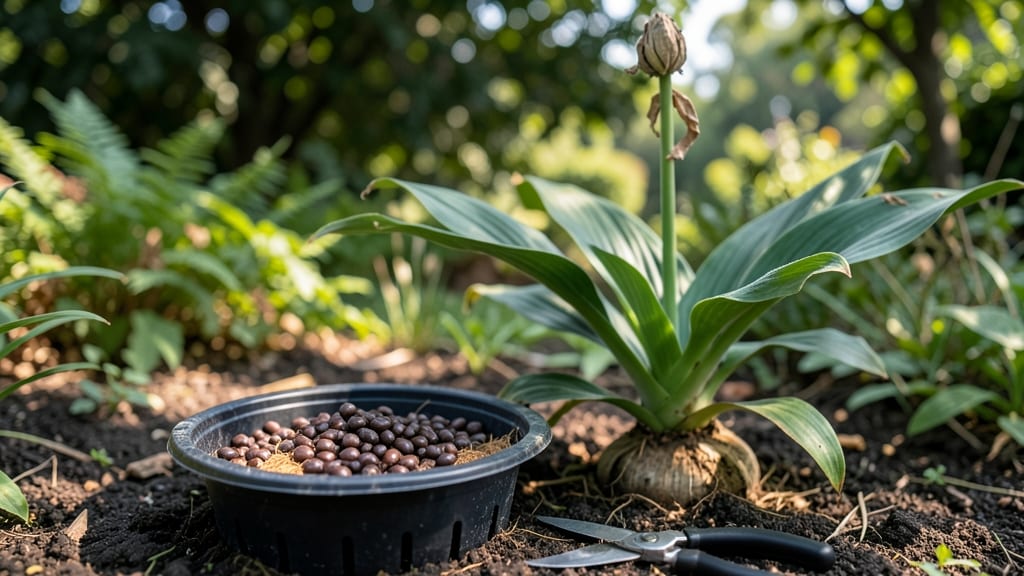
Growing crinum lily seeds actually works—if you know the tricks most gardeners miss. 🌱 I’ve struggled with them too, but after three failed batches, I cracked the code: these seeds need a warm, moist start and patience you won’t find on most guides.
The payoff? Reliable blooms in just two seasons instead of five.
Start indoors in late winter, using a seed-starting mix that drains well but stays damp. A clear plastic bag over the pot traps humidity without smothering the seeds—think of it as a mini greenhouse.
Most seeds sprout in 4-8 weeks, but some take twice as long, so don’t give up at six weeks. A heat mat set to 75°F speeds things up dramatically.
Once seedlings have two true leaves, they’re ready for individual pots. Keep them in bright, indirect light until they’re sturdy enough for outdoor planting after the last frost. The key is gradual hardening—move them outside for a few hours daily, then bring them back in.
By summer, you’ll have strong, lush plants that’ll finally reward you with those dramatic, fragrant blooms.
This method beats buying bulbs because you get more plants for less money, and you can grow rare varieties you’d never find at nurseries. Just be ready to wait—crimum lilies grow slow, but they’re worth every season of patience. Now, let’s get those seeds sprouting!
Root Causes of Seed Failure
Understanding why crinum lily seeds (Crinum × powellii and related hybrids) struggle to germinate—or fail entirely—boils down to a mix of biological, environmental, and human factors. Below, we break down the key reasons seeds refuse to sprout, along with the science behind each.
Seeds don’t stay fresh forever, and crinum lilies are no exception. Viability (the ability to germinate) drops sharply after harvest due to: - Moisture loss: Seeds dehydrate quickly when exposed to air, triggering metabolic shutdown.
Even "dry" seeds may still harbor life if stored properly, but prolonged exposure to low humidity (below 30%) kills embryonic cells. - Enzyme degradation: Crinum seeds rely on glycosidases (enzymes breaking down starches into sugars for energy).
These degrade over time, especially if seeds are stored at room temperature (ideal storage: 35–40°F / 2–4°C). - Pathogen buildup: Fungal spores (Aspergillus, Penicillium) or bacterial infections (e.g., Erwinia) can colonize seeds during storage, causing rot before germination.
Actionable fix:
- Test viability by floating seeds in water: healthy seeds sink; hollow or infected ones float.
- Store seeds in moistened sphagnum moss (not dry) inside a sealed, breathable bag with a silica gel packet to balance humidity.
Crinum lilies are tropical/subtropical plants, meaning their seeds evolved to germinate in warm, stable conditions. Key temperature-related pitfalls: - Cold stratification confusion: Unlike temperate bulbs (e.g., tulips), crinum seeds do not require cold.
Subjecting them to fridge temps (32–40°F / 0–4°C) for weeks can halt germination by slowing metabolic activity too much. - Fluctuating heat: Seeds need consistent warmth (ideal: 75–85°F / 24–29°C).
Dips below 60°F (15°C) or spikes above 90°F (32°C) disrupt enzyme activity, leading to dormancy or death. - Soil heat retention: Dark containers (like plastic trays) trap heat, while clear ones let temps swing wildly. Use black plastic pots for bottom heat or a seedling mat for stability.
Actionable fix:
- Use a heated propagator or place trays on top of a refrigerator (not inside) for gentle, even warmth.
- Monitor soil temp with a thermometer probe—aim for 78°F (25°C) day/night.
Water is the double-edged sword of seed germination. Crinum seeds need moisture to activate enzymes, but improper watering triggers: - Anaerobic conditions: Overwatering creates oxygen-deprived zones, where seeds suffocate or develop fungal gills (white, cottony growth).
Crinum seeds rot in standing water. - Surface drying: Inconsistent moisture causes seeds to shrink and crack, exposing the embryo to air and desiccation. - Salinity buildup: Tap water with high minerals (e.g., chlorine, calcium) can crust around seeds, blocking oxygen and stunting growth.
Actionable fix:
- Use bottom-watering with dechlorinated water (let tap water sit 24 hours or use rainwater).
- Maintain 60–70% humidity in the growing medium (e.g., peat moss + perlite mix)—mist lightly daily but avoid soggy conditions.
The wrong growing medium can physically block seeds or create hostile conditions. Common issues: - Compacted soil: Clay or garden soil smothers seeds, preventing root penetration.
Crinum seeds need air pockets for oxygen exchange. - Sterility gaps: Untreated potting mix may harbor nematodes or competing microbes that outcompete seedling roots. - pH extremes: Crinum lilies prefer slightly acidic to neutral soil (pH 6.0–7.0).
Alkaline soils (pH >7.5) lock out nutrients like phosphorus, critical for early root growth.
Actionable fix:
- Use a sterile, airy mix: 50% coco coir, 30% perlite, 20% sand (or vermiculite).
- Surface-sow seeds (no burial needed)—crinum seeds rely on light for germination (photoblastic response).
Even before sprouting, seeds can be sabotaged by hidden threats: - Seed-eating insects: Fungus gnats (larvae) and cutworms chew seeds in damp soil.
Their frass (waste) also clogs pores on the seed coat. - Mold competition: Fast-growing molds (Rhizoctonia) can smother seeds before roots emerge, creating a "blanket" effect. - Bacterial soft rot: Pectobacterium bacteria secrete enzymes that liquefy seed coats, preventing germination.
Actionable fix:
- Treat soil with neem oil spray (1 tsp/gallon water) before sowing.
- Use row covers or fine mesh over trays to block flying pests.
Crinum seeds are light-dependent (positive photoblastic), meaning they won’t germinate in darkness. Missteps include: - Buried too deep: Seeds need 1–2mm of light exposure to trigger germination.
Burying them >0.5 inches (1.25 cm) starves them of light. - Incorrect season: Planting in winter (below 65°F / 18°C) delays germination by weeks or months.
Ideal timing is early spring when soil temps stabilize. - Artificial light issues: Grow lights too far away (e.g., >12 inches) provide insufficient blue spectrum light, which crinum seeds need for chlorophyll production.
Actionable fix:
- Place trays under full-spectrum LED grow lights (12–14 hours/day) 2–4 inches above seeds.
- If sowing outdoors, choose a south-facing windowsill or greenhouse with direct sunlight.
Fixing Crinum Lily Seed Struggles
Got stubborn crinum lily seeds that refuse to sprout? Or maybe your seedlings are weak and wilt before they even get a chance? Don’t worry—these issues have practical fixes!
Below, we’ll tackle the most common problems with germination, seedling health, and growth delays, plus how to prevent them next time.
If your crinum lily seeds are sitting in the soil like tiny, uncooperative rocks, the issue is likely one of these:
🍳 Problem: Poor Seed Viability or Age
Old or low-quality seeds often struggle to break dormancy. Fresh seeds (harvested within 1–2 months) have the best success rates.
Fix It:
- Test viability first: Soak a few seeds in warm water for 24 hours. If they sink (not float), they’re likely still viable.
- Stratify if needed: Crinum seeds sometimes need a cold treatment to mimic winter. Place them in a sealed bag with damp peat moss and refrigerate for 4–6 weeks before planting.
- Use a fungicide soak: Dip seeds in a 10% hydrogen peroxide solution for 10 minutes to prevent mold before planting.
Prevent It: ✔️ Harvest seeds fresh from mature pods (wait until they turn brown and dry). ✔️ Store seeds in a cool, dry place (not the fridge) if you can’t plant them immediately.
Seedlings that stretch tall and thin or turn yellowish are usually suffering from light deprivation, overwatering, or nutrient shock.
Fix It:
- Adjust light levels: Move seedlings to a bright, indirect spot (like an east-facing window or under grow lights). Avoid direct midday sun, which can scorch them.
- Thin out seedlings: If they’re crowded, transplant the healthiest ones into individual pots with well-draining soil.
- Fertilize lightly: Use a balanced, water-soluble fertilizer (5-5-5) diluted to half-strength after the first true leaves appear.
Prevent It: ✔️ Start seeds in small, shallow trays (not deep pots) to encourage strong root systems. ✔️ Water only when the top inch of soil is dry—overwatering causes root rot.
Even if your seedlings survive, they might grow like molasses or take years to flower. This usually means nutrient deficiencies, improper care, or transplant shock.
Fix It:
- Boost nutrients: After 3–4 months, switch to a low-nitrogen, high-phosphorus fertilizer (e.g., 10-20-10) to encourage flowering.
- Repot if needed: Crinum lilies hate being root-bound. Repot every 2–3 years in well-draining soil (mix equal parts potting soil, perlite, and compost).
- Simulate dormancy: In late fall, reduce watering and move pots to a cooler spot (50–60°F) for 6–8 weeks to trigger blooming.
Prevent It: ✔️ Plant in full sun (6+ hours daily) for best flower production. ✔️ Mulch around the base with organic matter (like bark chips) to retain moisture and nutrients.
Fungal spots, aphids, or slugs can derail your crinum lilies before they even mature.
Fix It:
- Fungal issues (black spots, mold):
- Remove affected leaves immediately.
- Spray with neem oil or copper fungicide every 7–10 days until cleared.
- Pests (aphids, slugs):
- Wipe leaves with soapy water for aphids.
- Set up beer traps or diatomaceous earth for slugs.
Prevent It: ✔️ Rotate crops if growing in containers to avoid soil-borne diseases. ✔️ Inspect plants weekly—catch pests early!
| Stage | Timeframe | Key Action |
|---|---|---|
| Germination | 2–8 weeks | Keep soil moist, check for sprouts |
| Seedling Growth | 3–6 months | Thin, fertilize lightly, ensure light |
| Transplanting | 6–12 months | Repot in larger containers |
| First Blooms | 2–3 years | Reduce water in fall, fertilize for flowers |
Pro Tip: 🌡️ Heat lovers thrive! Crinum lilies grow best in warmth (70–85°F). If your home is chilly, use a seedling heat mat to speed up germination.
With these fixes, your crinum lily seeds should go from stubborn to stunning in no time! 🌱✨
Frequently asked questions
How long do crinum lily seeds take to germinate?
Most crinum lily seeds sprout within 4-8 weeks under ideal conditions, but some stubborn varieties may take up to 12-16 weeks. Patience is key—don’t assume they’re dead if nothing happens in 6 weeks. A heat mat set to 75°F (24°C) and consistent moisture will speed up the process.
Can I grow crinum lilies from seeds instead of buying bulbs?
Growing from seeds gives you more plants for less money and access to rare varieties you won’t find at nurseries. However, it requires more time—seedlings typically take 2-3 years to bloom compared to 1-2 years for bulb-grown plants. The trade-off is worth it for collectors or those wanting unique hybrids.
What’s the best soil mix for crinum lily seeds?
Use a lightweight, airy mix that drains well but stays moist: 50% coco coir, 30% perlite, and 20% coarse sand. Avoid garden soil—it compacts easily and can smother seeds. Surface-sow them (no burial needed) since they rely on light to germinate. A clear plastic dome or humidity tent helps maintain the right moisture levels.
Why are my crinum lily seedlings stretching tall and weak?
This is classic "leggy" growth caused by insufficient light. Move seedlings to a bright, indirect spot (like an east-facing window) or use grow lights 2-4 inches above them for 12-14 hours daily. Avoid direct midday sun, which can scorch tender leaves. Once they develop two true leaves, thin them to prevent competition for nutrients.
Do crinum lily seeds need cold stratification?
No—they’re tropical/subtropical plants and do not require cold treatment. In fact, subjecting them to fridge temperatures (32-40°F / 0-4°C) can actually delay germination. Instead, keep them in consistent warmth (75-85°F / 24-29°C) with high humidity. A heat mat or warm location (like on top of a refrigerator) works perfectly.