
Propagation
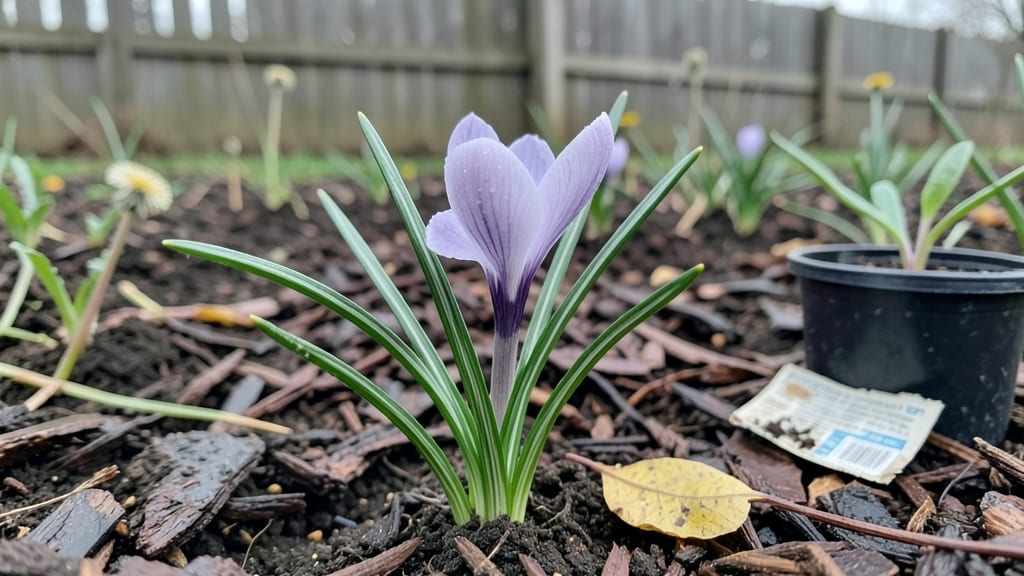
Growing crocus from seed gives you spring blooms you won’t find in stores—tiny purple, white, or striped flowers that poke through snow. ✨ The key is cold stratification, a natural trick that mimics winter’s chill to wake up those stubborn seeds.
I’ve grown hundreds from seed, and the secret isn’t complicated: patience, the right timing, and a little help from Mother Nature’s freezer.
You’ll need just a few supplies: fresh seeds (save money by harvesting from your own blooms), a shallow container, and some damp potting mix. The process takes about 8 weeks from planting to first shoots, but the payoff is worth it—bulbs you grow from seed often outperform store-bought ones.
Unlike bulbs, seeds let you experiment with rare colors and patterns that nurseries skip.
By early fall, you’ll have hardy little plants ready to overwinter in the ground. They’ll sit quietly until spring, then surprise you with clusters of delicate blooms that brighten even the dreariest days. The best part? Each plant multiplies over time, giving you free crocuses for years to come.
This method works in zones 3-9, whether you’re tucking seeds into a garden bed or a protected container. The only real challenge is waiting—crocus seeds take their time, but the reward is blooms that feel like a secret only you know about.
📚 In This Guide
- What you need
- Instructions
- Tips and common mistakes
- Wrapping up and next steps
What you need
- ● Crocus seeds: Choose Crocus vernus (Dutch crocus) or Crocus tommasinianus for reliable blooms. Buy 100-200 seeds (they’re tiny—think 1,000+ seeds per gram!). Opt for fresh seeds (current year) for higher germination rates.
- ● Growing medium: Seed-starting mix (sterile, well-draining) – 1 small tray (10x20") or 4-6 small pots (3-4" diameter).
- ○ Perlite or sand (optional, for improved drainage) – 1 part mixed with 2 parts seed-starting mix.
- ● Containers: Seed trays with drainage holes (1 tray or 4-6 small pots).
- ● Plastic wrap or humidity dome (to retain moisture).
- ● Cold stratification supplies: Refrigerator (set to 35–45°F for 8–12 weeks).
- ● Small plastic bag (with a few air holes) or moist paper towels (to wrap seeds before refrigeration).
- ● Fine mist spray bottle (for gentle watering—avoid over-saturating seeds!).
- ● Plant labels (to track seed varieties and planting dates).
- ● Grow lights or sunny windowsill (for 12–14 hours of light/day after stratification).
- ○ Heat mat (optional, to speed up germination if your home is below 65°F).
- ● Transplanting tools: Small trowel or spoon (for moving seedlings).
- ● Compost or well-aged soil (for transplanting after 4–6 weeks).
- ● Patience & a journal (to log progress—germination can be slow but magical!).
Step-by-step instructions for growing crocus from seed
Here's how to turn tiny crocus seeds into vibrant spring blooms in just 8 weeks.
🌱 Step 1: Collect and Prepare the Seeds
Crocus seeds need freshness for best results, so collect them from mature seed pods after blooms fade. Gently squeeze open the dried pods and remove the small, dark seeds inside. Store them in a paper envelope in the fridge until ready to plant—this mimics their natural dormancy period.
Don't rush to plant them immediately. The seeds require 4-6 weeks of cold stratification to break dormancy. If you're starting in fall, you can plant them fresh, but for spring blooms, cold stratification is essential. Place the seeds in a sealed container with a damp paper towel and refrigerate for 4 weeks before sowing.
⏰ Step 2: Sow the Seeds at the Right Time
Timing is everything with crocus seeds. For spring blooms, sow them 8 weeks before your first frost date. This gives them enough time to germinate and establish roots before winter. If you're in a mild climate, you can plant them in early fall for blooms the following spring.
Choose a sunny spot in well-draining soil. Crocus seeds are tiny, so mix them with a little sand to make sowing easier. Scatter them lightly on the soil surface—don’t bury them too deep. A light covering of ¼ inch of soil is all they need. Water gently to settle the seeds but avoid washing them away.
💧 Step 3: Maintain Moisture and Light Conditions
Keep the soil consistently moist but not soggy. Crocus seeds need steady moisture to germinate, but they’ll rot if left too wet. Water lightly every 2-3 days until the soil feels damp 1 inch below the surface. Once they sprout, reduce watering to prevent fungal issues.
Place the seeds in a location with full sun to partial shade. Too much shade will delay blooming, but direct afternoon sun can stress young seedlings. If you're growing them in containers, ensure the pots have drainage holes to prevent waterlogging.
☀️ Step 4: Overwinter for Stronger Blooms
After sowing, let the seedlings grow through the summer and into fall. They’ll develop a small rosette of leaves, which is normal. When winter arrives, the cold helps them mature. In USDA Zones 3-7, crocus seeds can overwinter outdoors if protected by a light mulch layer (about 1 inch of straw or leaves).
If you're in a warmer zone, move the pots to a cooler spot like a garage or unheated shed. The goal is to expose them to consistent temperatures below 40°F for at least 6 weeks. This cold period is what triggers blooming in spring.
✂️ Step 5: Enjoy Spring Blooms and Care for Next Year
With proper cold treatment, your crocus seedlings will bloom in late winter or early spring. The first flowers may be smaller, but they’ll reward you with vibrant colors year after year. After blooming, let the foliage die back naturally—this stores energy for next season’s flowers.
To encourage more blooms, fertilize lightly in early fall with a balanced 10-10-10 fertilizer. Avoid over-fertilizing, as crocus prefer lean soil. Divide clumps every 3-4 years to prevent overcrowding, and you’ll have a reliable display of spring color for decades.
Tips & tricks for perfect crocus from seed
Real talk: Growing crocus from seed isn't rocket science, but these little tricks will help you avoid the common pitfalls that turn hopeful gardeners into frustrated ones.
The Cold Stratification Secret: That 4-week cold treatment in the fridge isn't optional—it's what breaks dormancy. I've tried skipping it, and the seeds either never germinate or take forever. Use a sealed container with a damp paper towel to maintain consistent moisture during stratification. Place a small note inside with the date so you don't forget when those 4 weeks are up!
Sowing Strategy: The 8-week timing window before frost is critical, but don't stress about exact dates. Instead, focus on soil temperature—wait until your soil is cool (around 60°F) before planting. This gives seeds the right conditions to germinate without overheating. For container gardeners, use pots with drainage holes to prevent waterlogging, which is a silent killer of tiny seedlings.
Overwintering Wisdom: When aiming for that consistent 40°F cold treatment, don't just rely on your freezer. Outdoor gardeners in Zones 3-7 can use a light mulch layer (about 1 inch of straw) to protect seeds naturally. For warmer climates, a garage or unheated shed works perfectly—just avoid temperature swings. I've had great success with a simple cardboard box lined with newspaper in my garage during winter.
Fertilizer Finesse: That early fall 10-10-10 application is gentle but effective. Too much nitrogen now will encourage leafy growth at the expense of blooms. I like to mix a pinch of fertilizer with the top inch of soil before watering—this gives roots a slow-release boost without overwhelming the delicate seedlings. And remember, crocus prefer lean soil, so don't overdo it!
Pro Tips for Crocus From Seed
- Real talk: Growing crocus from seed isn't rocket science, but these little tricks will help you avoid the common pitfalls that turn hopeful gardeners into frustrated ones.
- The Cold Stratification Secret: That 4-week cold treatment in the fridge isn't optional—it's what breaks dormancy.
- Sowing Strategy: The 8-week timing window before frost is critical, but don't stress about exact dates.
Frequently asked questions
Got questions about growing crocus from seed? You’re not alone—this method takes patience and precision! Here are answers to the most common queries to help you succeed.
How long does it take for crocus seeds to sprout?
Crocus seeds typically sprout in 4–8 weeks after cold stratification, depending on the variety and growing conditions. Some may take longer, especially in cooler climates. Keep soil consistently moist (but not soggy) and place pots in a bright, cool spot until sprouts appear.
Can I skip cold stratification for crocus seeds?
No—cold stratification is essential for breaking dormancy. Without it, seeds may remain dormant or sprout poorly. Mimic winter by refrigerating seeds for 8–12 weeks before planting. Forgot this step? Don’t worry—just start over with fresh seeds!
What’s the best soil mix for germinating crocus seeds?
Use a light, well-draining mix like a 50/50 blend of potting soil and perlite or sand. Crocus seeds hate soggy soil, so avoid heavy garden soil. A shallow tray with drainage holes works best—think "airy" and "fast-drying"!
When is the ideal time to plant crocus seeds outdoors?
Plant seeds 8–10 weeks before your first frost (late summer/early fall). This gives them time to germinate before winter. In warmer zones, sow seeds in fall; in colder areas, start indoors in late summer and transplant after stratification.
Why aren’t my crocus seeds germinating? Troubleshooting tips
No sprouts after stratification?
Check moisture—seeds need consistent dampness (like a wrung-out sponge).
Moldy soil?
Reduce watering and improve airflow with a fan or mesh cover.
Seeds too old?
Crocus seeds lose viability quickly; use fresh seeds (<1 year old) for best results.
Still struggling?
Try a second stratification cycle—sometimes seeds need extra time!
Still stumped? Drop your specific issue in the comments—we’re happy to help!
Wrapping up and next steps
Growing crocus from seed is a rewarding journey that brings vibrant color to your garden in just 8 weeks—no experience needed! With the right mix of patience, cold stratification, and sunlight, you’ll unlock a burst of early spring blooms that brighten even the dreariest winter days. 🌱✨
Ready to dive in? Start by gathering your seeds and materials, then follow the step-by-step guide to kickstart your crocus adventure.
Once your little sprouts pop up, share your progress or even swap tips with fellow gardening enthusiasts—because the best part of growing from seed is seeing your hard work bloom!