
Diseases
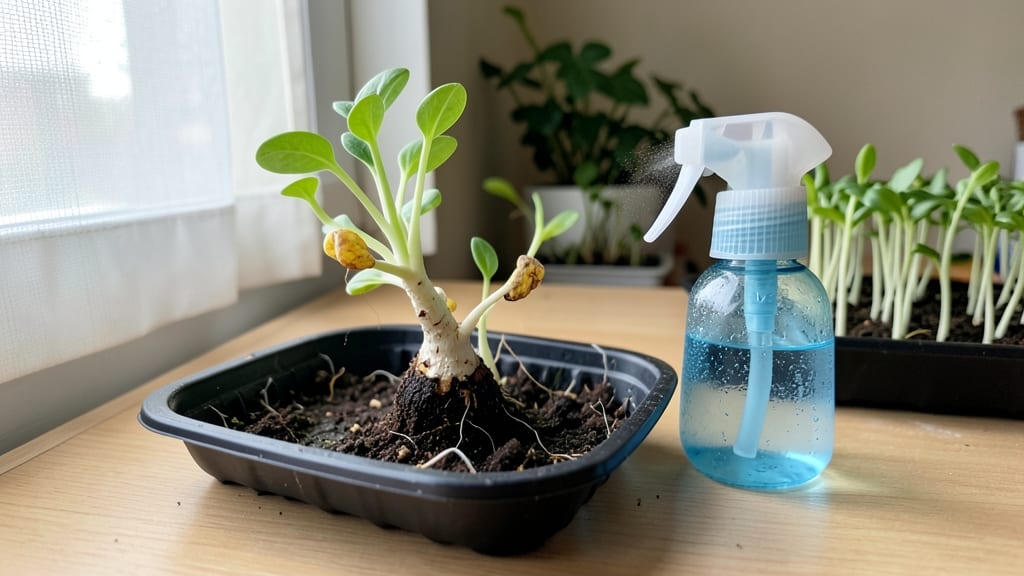
Damping off seeds can turn your seed-starting dreams into a soggy, moldy mess before sprouts even appear. 🌱 I’ve lost more seedlings to this silent killer than I’d like to admit, but the good news? You can stop it before it starts with a few simple adjustments.
The problem usually boils down to too much moisture, poor airflow, or contaminated soil—basically, the perfect recipe for fungal rot. Overwatering, crowded trays, and unsterilized growing medium create the ideal breeding ground. Even the hardiest seeds can’t fight back when their environment turns into a fungal buffet.
With the right setup—sterilized soil, proper spacing, and just enough water—you’ll see strong, healthy sprouts instead of collapsed seedlings. I’ve saved entire seed batches using cinnamon dust, hydrogen peroxide sprays, and better airflow tricks that work indoors or out.
Whether you’re starting tomatoes on a windowsill or peppers in a greenhouse, these fixes apply. Let’s turn your seed-starting struggles into success stories—no more mystery mold, just thriving plants.
The Hidden Triggers Behind Seed Rot
Damping off in seeds isn’t just a random tragedy—it’s the result of specific environmental and biological conditions that create the perfect storm for fungal (or sometimes bacterial) pathogens to thrive. Understanding these triggers is the first step to stopping them before they ruin your seedlings.
Let’s break down the real culprits behind this frustrating problem, so you can outsmart them in your garden.
The most common cause of damping off is excess moisture—whether from overwatering, poor drainage, or soggy growing mediums. Fungal pathogens like Pythium, Phytophthora, and Rhizoctonia love damp conditions because they thrive in waterlogged soil, where oxygen is scarce and organic matter breaks down quickly.
- Why it happens:
- Seeds and seedlings need moisture to germinate, but too much water creates a suffocating environment where fungal spores germinate and infect tender roots and stems.
- Poor drainage (common in clay-heavy or compacted soils) traps water at the soil surface, keeping the seedbed consistently moist—ideal for fungal growth.
- Organic matter (like peat moss or compost) can also hold excess water, creating a breeding ground if not balanced with perlite or sand.
- Actionable fix:
- Use well-draining seed-starting mixes (look for blends with perlite, vermiculite, or coco coir).
- Avoid bottom-watering trays with no drainage holes—they turn into fungal incubators.
- Water only when the top inch of soil feels dry (use a moisture meter if you’re unsure).
Not all seed-starting mixes are created equal—and some come pre-loaded with dormant fungal spores. If your potting soil, compost, or garden bed harbors pathogens from previous crops (especially if you’ve had damping off before), your new seeds are at risk.
- Why it happens:
- Reused or old soil can harbor Rhizoctonia solani or Fusarium, which survive in organic matter for years.
- Outdoor soil often contains natural fungal populations that lie dormant until conditions (like excess moisture) wake them up.
- Cheap or unsterilized seed-starting mixes may skip heat treatment, leaving spores alive and ready to attack.
- Actionable fix:
- Sterilize your soil by baking it in the oven at 180°F (82°C) for 30 minutes or using hydrogen peroxide (3%) to kill pathogens.
- Buy sterile, soilless mixes labeled for seed starting (avoid garden soil or compost).
- Rotate planting locations if you’ve had damping off before—don’t reuse the same bed without treatment.
Seeds and seedlings need space and airflow to grow strong. When they’re packed too closely together, humidity builds up around them, creating a microclimate perfect for fungal growth.
- Why it happens:
- High humidity (above 70%) slows evaporation, keeping moisture trapped around seedlings.
- Poor air circulation (from overcrowding or sealed containers) prevents CO₂ and oxygen from reaching the plants, weakening their defenses.
- Condensation on container lids or plastic domes can drip onto seedlings, delivering fungal spores directly to their stems.
- Actionable fix:
- Space seeds thinly—follow package instructions for sowing depth and spacing.
- Remove humidity domes as soon as seedlings sprout (even for a few hours daily to improve airflow).
- Use fans on low speed (24/7) to circulate air around seedlings—this mimics natural wind and reduces humidity.
Extreme or inconsistent temperatures can stress seedlings, making them more susceptible to damping off. While most seeds need warmth to germinate, too much heat or sudden temperature swings can weaken their immune response.
- Why it happens:
- Cool soil temperatures (below 60°F/15°C) slow germination, keeping seeds in a vulnerable state longer.
- Heat mats or overheated seed trays (above 85°F/29°C) can scorch roots, making them easy targets for fungi.
- Fluctuating temps (like cold nights followed by hot days) shock seedlings, reducing their ability to fight off pathogens.
- Actionable fix:
- Keep soil temps consistent between 65–75°F (18–24°C) using a seedling heat mat (on low).
- Avoid placing trays near heat sources (like radiators or direct sunlight).
- Hardening off seedlings gradually (exposing them to outdoor temps) strengthens their resilience.
Even the cleanest garden can introduce damping off if tools, containers, or hands carry fungal spores from previous uses. Cross-contamination is a silent but deadly way to spread disease.
- Why it happens:
- Reusing pots or trays without cleaning can transfer Rhizoctonia or Pythium spores to new seeds.
- Dirty hands or tools (like trowels or scissors) can spread pathogens from infected plants to healthy ones.
- Watering cans or spray bottles left in damp areas can harbor and spread fungi.
- Actionable fix:
- Sanitize tools and containers with a 10% bleach solution (1 part bleach to 9 parts water) or rubbing alcohol (70%+).
- Wash hands before handling seeds or seedlings.
- Use disposable gloves when working with suspect soil or plants.
Not all seeds are equally resistant to damping off. Old, damaged, or low-quality seeds have thinner seed coats and weaker energy reserves, making them easier targets for fungi.
- Why it happens:
- Expired seeds (older than 1–2 years) have lower viability and weaker defenses.
- Damaged seed coats (from rough handling or poor storage) allow fungi to penetrate more easily.
- Untreated seeds may lack natural antifungal compounds found in some varieties.
- Actionable fix:
- Buy fresh, high-quality seeds from reputable suppliers (check expiration dates).
- Store seeds in a cool, dry place (like the fridge) to extend their shelf life.
- Consider treating seeds with a fungicide (like mycorrhizal inoculants or copper-based sprays) for extra protection.
Damping off rarely happens in isolation—it’s usually a combination of factors (like wet soil + poor airflow + fungal spores). The key to prevention is breaking the chain by addressing one or more of these triggers.
Start with sterile soil, proper spacing, and controlled moisture, and you’ll give your seedlings the best shot at thriving. 🚀
Fixing Fungal Seed Rot Fast
Damping off in seeds is frustrating, but with the right steps, you can save your seedlings and prevent future outbreaks. Below are targeted solutions based on the most common causes—fungal overgrowth, poor drainage, and overwatering—plus prevention tips to keep your garden thriving.
Fungal spores thrive in soggy soil, so reduce moisture immediately to stop the spread.
- 🍳 Stop Watering Temporarily Let the soil dry out completely before watering again. Use a spray bottle for seedlings instead of overhead watering to avoid wetting leaves.
- 👨🍳 Improve Airflow Space seedlings farther apart (if possible) or use a small fan on low setting for 10–15 minutes daily to dry excess moisture.
- ⏰ Water Only in the Morning Avoid evening watering, as nighttime humidity encourages fungal growth.
💡 Pro Tip: Use a moisture meter to check soil dampness—aim for 40–60% moisture, not saturated.
If water pools in trays or pots, roots suffocate, creating the perfect fungal buffet.
- 🔪 Repot in Well-Draining Mix Transfer affected seedlings to fresh sterilized potting mix with perlite or vermiculite (20–30% by volume) to improve aeration.
- 🌱 Use Raised Trays or Containers Elevate trays slightly to prevent waterlogging. Add a layer of gravel or sand at the bottom for extra drainage.
- ✨ Test Your Soil If soil compacts easily, amend it with coco coir or compost to loosen texture.
Fungus spreads fast—disinfect everything to break the cycle.
- 🧼 Sterilize Tools & Trays Wash pots, trays, and tools with 1 part bleach to 9 parts water, then rinse and dry in sunlight (UV kills spores).
- 🌿 Use Fungicidal Sprays (Organic Options)
- Hydrogen peroxide (3%) – Spray diluted (1:1 with water) on soil and seedlings.
- Neem oil solution – Mix 1 tsp neem oil + 1 tsp mild soap in 1 quart water; spray lightly.
- Baking soda spray – 1 tsp baking soda + 1 quart water + few drops of soap (test on a few leaves first).
- 🚫 Avoid Chemical Fungicides on Seedlings They can burn tender sprouts. Opt for preventative sprays before symptoms appear.
Once you’ve treated the current issue, lock in long-term protection:
- 💡 Sterilize Seeds & Soil
- Soak seeds in 1% hydrogen peroxide for 5 minutes before planting.
- Bake potting mix at 200°F (93°C) for 30 minutes to kill fungi.
- 🌡️ Keep Humidity in Check
- Use humidity domes (remove daily to air out).
- Avoid plastic wraps—opt for breathable seedling mats instead.
- 🎯 Rotate Crops & Solarize Soil
- Don’t replant the same family (e.g., tomatoes, peppers) in the same spot yearly.
- Solarize soil in spring: Cover moist soil with clear plastic for 4–6 weeks to bake out fungi.
- 🍃 Use Resistant Seed Varieties Some seeds (like dill, basil, or snapdragons) are less prone to damping off—check seed packets for resistance notes.
Final Note: If damping off persists, test your water—chlorine or minerals can sometimes contribute. Rainwater or filtered water is ideal for seedlings. With these steps, your next batch of sprouts will stand a much stronger chance! 🌱💪
Frequently asked questions
What are the first signs of damping off in my seedlings?
Look for seedlings that suddenly collapse at the soil line, often with a soft, mushy stem. You may also notice gray, white, or pink mold on the soil surface or stems. Early signs include stunted growth or wilting even when the soil feels moist—this is your plant’s way of saying "help, I’m drowning in fungus!"
Can I save seedlings already showing damping off symptoms?
It’s tricky but possible for early-stage cases. Remove affected seedlings immediately, repot healthy ones in fresh, sterilized soil, and improve airflow with a small fan. For severe cases, start over with new seeds and containers—sometimes prevention is the only cure.
Is cinnamon really effective for preventing damping off?
Sprinkle a thin layer of cinnamon powder on the soil surface—it has natural antifungal properties that disrupt fungal growth. Just avoid overdoing it (¼ tsp per tray max) and reapply after watering. For extra protection, mix cinnamon with your potting soil before planting.
Why does damping off happen more in indoor seed starting than outdoors?
Indoor environments lack natural airflow and often have higher humidity from condensation. Without breezes or sunlight, moisture lingers, creating perfect fungal conditions. Outdoors, wind and temperature fluctuations help prevent this—indoors, you’re essentially creating a fungal greenhouse!
How often should I water seedlings to avoid damping off?
Water only when the top ½ inch of soil feels dry—use your finger as a gauge. For most seedlings, this means watering every 2-3 days (less if using well-draining mixes). Bottom-watering (placing trays in shallow water) helps too—just ensure containers have drainage holes.