Planting
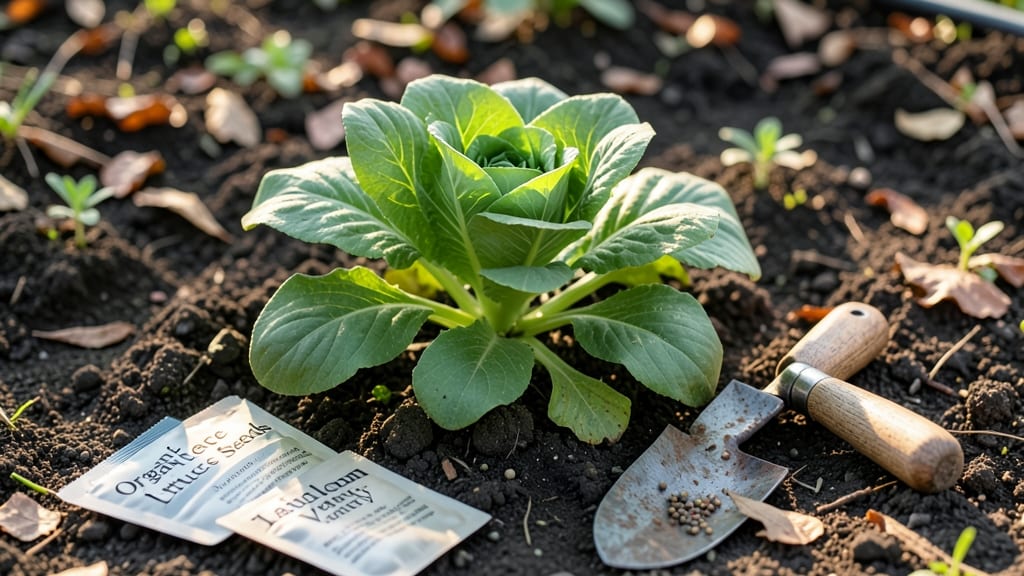
This method is all about giving seeds the perfect start by mimicking their natural growth conditions. 🌱 The right soil temperature, consistent moisture, and proper sunlight exposure trigger the germination process, where seeds absorb water, swell, and eventually sprout roots and shoots.
Unlike buying seedlings, sowing seeds lets you control every stage of growth, from seed selection to harvest—ideal for gardeners who love hands-on control over their plants.
Whether you're planting tomatoes in your backyard or delicate herbs on a windowsill, understanding sowing seeds unlocks the ability to grow a wider variety of plants at a lower cost. Plus, it's incredibly rewarding to watch tiny seeds transform into thriving plants over time!
💡 In This Article
- How Seed Germination Works During Sowing
- Best Practices for Direct Sowing vs Transplanting Seeds
How seed germination works during sowing
When you plant a seed, you're essentially kickstarting a biological marvel where dormancy transforms into growth. The process begins with imbibition, where the seed absorbs water through its outer layers, causing it to swell by up to 50% in size within hours.
This hydration activates enzymes that break down stored nutrients—like starches and proteins—into simpler sugars and amino acids, fueling the seed's metabolic awakening. For example, a tomato seed contains about 20% moisture content when dormant, but within 24 hours of proper water exposure, that number can double. 💧
The next critical phase involves root emergence, where the radicle (the embryonic root) pushes through the seed coat, typically within 3-7 days depending on the species. This process requires precise conditions: temperatures between 60-85°F for most vegetables, with some tropical plants needing 80-90°F to trigger germination.
Light plays a dual role—some seeds (like lettuce) need darkness to germinate, while others (like radishes) thrive with exposure. The seed's hormonal balance shifts dramatically during this stage, with gibberellins promoting root growth and cytokinins supporting shoot development.
What most gardeners don't realize is how oxygen availability affects this process. Seeds need well-aerated soil to prevent anaerobic conditions, which can produce harmful ethanol byproducts. This is why loose, crumbly soil with 30-50% pore space is ideal—it allows both water and oxygen to reach the seed simultaneously.
For instance, planting seeds too deeply (beyond 2-3 times their diameter) can starve them of oxygen, leading to rot rather than sprouting. The right moisture level—keeping soil consistently damp but not soggy—is equally crucial, as excess water displaces oxygen from soil pores. 🌱
Environmental stressors can dramatically alter germination success. Extreme temperatures (below 50°F or above 95°F) slow enzymatic activity, while sudden temperature swings can cause seeds to "dormantize" again. Even light quality matters: blue light wavelengths (400-500 nm) often stimulate germination in light-dependent seeds by activating photomorphogenic pathways.
This scientific interplay explains why some seeds germinate faster in spring sunlight versus artificial grow lights, which may lack the full spectrum needed for optimal enzyme activation.
Consider the case of bean seeds, which contain specialized proteins called lectins that require specific pH levels (around 6.0-7.0) to break down during germination. When conditions are ideal, these proteins are metabolized into amino acids within 48 hours, providing the energy for the shoot to emerge.
The shoot's upward growth is driven by auxin hormones, which create a chemical gradient that guides the stem toward light—a phenomenon called phototropism.
This biological precision is why gardeners must maintain consistent moisture and temperature during the first 7-10 days of germination, as this window is most critical for establishing strong root systems. 🌿
Advanced gardeners often use scarification (nickling seed coats) or stratification (cold treatment) to mimic natural conditions that break seed dormancy. For example, apple seeds require 60-90 days of cold stratification to germinate, mimicking winter's natural dormancy cycle.
Understanding these biological triggers allows you to overcome common germination challenges, like stubborn seeds that refuse to sprout despite proper planting. The key takeaway? Germination isn't just about water—it's a finely tuned biochemical process where every environmental factor plays a role in whether your seeds will thrive or fail. ✨