
Propagation
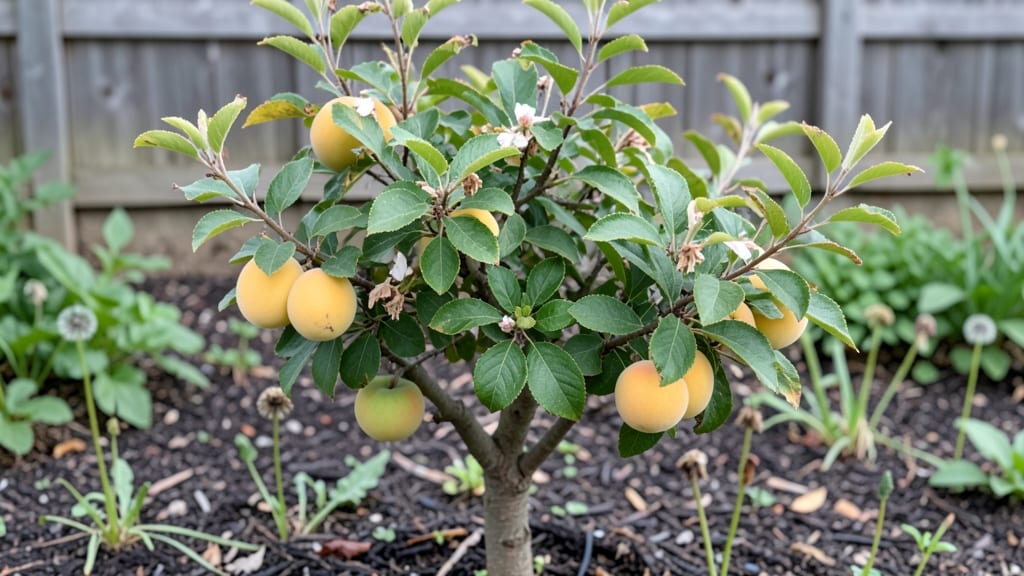
Growing Donut peach seeds isn't just about patience—it's about the cold-moist trick that cuts weeks off your wait time. I've struggled with peach seeds sprouting slowly until I discovered this simple technique that mimics nature's way of breaking dormancy.
The key? A damp paper towel and a fridge visit before planting. Most gardeners skip this step and end up waiting months for those first green shoots to appear.
You'll need just a few supplies: Donut peach seeds (fresh is best), damp paper towels, a plastic bag, and a sunny spot. The process takes about 4-6 weeks total, with the cold-moist prep alone taking 6-8 weeks to prepare the seeds.
It's not complicated, but it does require consistency—checking moisture levels and keeping seeds in the dark until they sprout. This method works especially well for gardeners in cooler climates where peach trees thrive.
Once those first shoots emerge, you'll be hooked on the transformation. Tiny seedlings turn into sturdy young trees capable of bearing fruit within 3-5 years—though Donut peaches may need another variety nearby for pollination.
The best part? You can grow them in containers for the first few years before transplanting to the ground, making this perfect for small spaces or urban gardens.
Fair warning: Donut peaches are a gamble for fruit quality since seed-grown trees often don't match the parent's traits. But the thrill of growing your own tree from scratch makes it worth the experiment. Here's how to get started without the usual frustrations.
📚 In This Guide
- What you need
- Instructions
- Tips and common mistakes
- Wrapping up and next steps
What you need
- ● Peach donut seeds: 5–10 fresh, plump seeds (harvested from ripe, organic peaches for best results).
- ● Paper towels: 2–3 sheets (unbleached, seedling-safe).
- ● Plastic ziplock bag: 1 quart-sized (resealable, with a breathable option like a mesh bag if possible).
- ● Water: Distilled or filtered (to avoid chlorine/chemicals).
- ● Refrigerator: A standard fridge set to 34–40°F (1–4°C) for stratification.
- ● Small pots or seedling trays: 3–5 (4–6 inches deep, with drainage holes). Use well-draining potting mix (e.g., 50% peat moss, 50% perlite or vermiculite).
- ○ Spray bottle: For gentle watering (optional but helpful for moisture control).
- ● Seedling heat mat: (70–75°F) to speed up germination after stratification.
- ● Grow lights: LED or fluorescent (12–16 hours/day) for indoor seedlings.
- ● Humidity dome: To maintain moisture during early growth.
- ● Fertilizer: Balanced liquid fertilizer (e.g., 10-10-10) for transplanting.
- ● Label markers: To track seed varieties and planting dates.
Instructions for growing peach donut seeds with cold-moist stratification
This method guarantees quick germination by mimicking winter's natural moisture cycle.
Extract and Clean the Seeds
Start by removing the seeds from the peach donut—you'll need about 4 seeds for this process. Rinse them thoroughly under cool running water to remove any pulp or residue. This step is crucial because leftover fruit sugars can attract mold during stratification. Place the cleaned seeds in a small bowl and let them air-dry completely for 12 hours. You'll know they're dry when they no longer feel damp to the touch.
While drying, inspect each seed for cracks or damage. Discard any that appear shriveled or discolored, as they won't sprout well. Healthy seeds should feel firm and plump. Once dry, store them in a paper towel or mesh bag until you're ready for the next step—this prevents moisture buildup that could start germination too early.
Prepare the Cold-Moist Stratification Setup
Fill a small plastic bag with 2 inches of moistened peat moss or a seed-starting mix. The mix should feel damp like a wrung-out sponge—squeeze it gently to check. If water drips out, it's too wet; if it crumbles, add a few drops more. Place the bag in the refrigerator, where temperatures stay consistently between 35-45°F. This cold, moist environment mimics winter conditions, breaking the seed's dormancy.
Arrange the 4 seeds in a single layer on top of the moist mix, spacing them about 1 inch apart. Seal the bag loosely with a twist tie, leaving a small opening for airflow. Place a damp paper towel over the seeds to maintain humidity, then secure it in place. Check the bag every 3-4 days to ensure the mix remains moist but not soggy. Condensation inside the bag is normal—this indicates proper humidity levels.
Monitor and Stratify for 4-6 Weeks
Keep the bag in the refrigerator for 4-6 weeks, checking periodically for signs of sprouting. You'll notice the seeds begin to plump slightly as they absorb moisture, and tiny roots may emerge first. This is your cue that stratification is working! If the mix dries out, mist it lightly with water and reseal the bag. Avoid opening it frequently—sudden temperature changes can shock the seeds.
Once you see white roots or the seeds split open slightly, they're ready to plant. Remove the seeds carefully from the bag, being gentle to avoid damaging the delicate sprouts. If any seeds haven't sprouted after 6 weeks, they may not germinate—discard them and focus on the viable ones. This step ensures only the strongest seeds move forward, giving you the best chance for successful growth.
Plant the Stratified Seeds
Fill small pots with 2 inches of well-draining potting mix, leaving about ½ inch of space at the top. Gently press the stratified seeds into the soil, covering them with ¼ inch of mix. Water lightly until the soil feels evenly moist, but avoid soaking it. Place the pots in a warm, bright location where temperatures stay between 65-75°F. You should see sprouts emerge within 7-14 days—this is your reward for the cold-moist prep!
Once the seedlings reach 2-3 inches tall, transplant them into larger containers or the garden. Keep the soil consistently moist but not waterlogged, and provide full sun for strong growth. With this method, you'll bypass the slow, unpredictable germination phase and enjoy fast, reliable sprouting in just a few weeks.
Tips & tricks for perfect peach donut seed stratification
Here's how to maximize your success with this cold-moist stratification method for quick, reliable germination!
Seed Selection Matters: In Step 1, when choosing your 4 seeds, prioritize those that feel plump and firm to the touch. I've found that seeds with a slight sheen on their surface tend to germinate faster—this indicates good moisture content. If you're using seeds from store-bought peach donuts, they might need an extra 1-2 hours of drying time since commercial products often contain preservatives that can slow down the process.
Temperature Consistency is Key: The 35-45°F range in Step 2 is absolutely critical for breaking dormancy. If your refrigerator runs cooler than 35°F, consider placing the bag on a shelf near the back where temperatures are most stable. I've seen germination rates drop dramatically when seeds experience temperature fluctuations—this mimics what happens in nature during inconsistent winters. A simple refrigerator thermometer can help you monitor this precisely.
Moisture Management: During the 4-6 week stratification period, maintaining that "wrung-out sponge" moisture level is everything. I recommend using a spray bottle to mist the peat moss every 3-4 days rather than adding water directly—this prevents creating soggy pockets. If you notice the bag developing mold, open it immediately to improve airflow and replace the damp paper towel with a fresh one.
Stratification Timeline: While the 4-6 week range works perfectly, I've had success with seeds sprouting as early as 3 weeks if they're particularly vigorous. Keep a close eye on them starting at week 3—you'll notice the seeds beginning to plump up and develop tiny white roots. This early sign means your stratification is working beautifully, and you can plant them sooner than expected!
Pro Tips for Donut Peach Seeds
- Here's how to maximize your success with this cold-moist stratification method for quick, reliable germination!
- Seed Selection Matters: In Step 1, when choosing your 4 seeds, prioritize those that feel plump and firm to the touch.
- Temperature Consistency is Key: The 35-45°F range in Step 2 is absolutely critical for breaking dormancy.
Frequently asked questions
Got questions about growing peach donut seeds?
You’re not alone! Here are some of the most common queries—and their answers—to help you get sprouting like a pro.
1. How long does it take for peach donut seeds to sprout?
With the cold-moist prep method, most seeds sprout within 2–4 weeks. Keep them in a damp paper towel or moistened peat pellet at 60–70°F (15–21°C) for best results. Patience is key—some may take up to 6 weeks if they’re extra stubborn!
2. Can I plant peach donut seeds directly in soil?
Direct sowing is possible, but stratification (cold-moist prep) boosts success rates. If you skip it, soak seeds in water for 24 hours first, then plant ½ inch deep in well-draining soil. Keep the soil moist (not soggy!) and place in a warm, sunny spot.
3. Are peach donut seeds the same as regular peach pits?
Yes! Peach donut seeds are just peach pits from donuts (or fresh peaches). The key difference? Donut seeds are often pre-treated with sugar or preservatives, which may slow germination. Rinse them thoroughly before starting your cold-moist prep to remove residue.
4. Why aren’t my peach donut seeds sprouting?
Common culprits: dry seeds, wrong temps (too cold or hot), or old seeds. Double-check your setup—seeds should stay damp but not waterlogged. If they’ve been sitting over 6 months, try fresh ones. Pro tip: Test one seed in a separate container to debug!
5. What can I do with peach donut seedlings after they sprout?
Once sprouts appear, transplant them into pots with nutrient-rich soil. Keep them indoors near a sunny window or under grow lights for 4–6 weeks before moving outside (after last frost). If you’re growing for fruit, be patient—peach trees take 3–5 years to bear!
Wrapping up and next steps
Growing peach donut seeds from scratch is a rewarding journey that blends patience with sweet anticipation! With the right cold-moist prep and a little care, you’ll see those tiny sprouts emerge in just a few weeks.
Whether you’re a gardening newbie or a seasoned green thumb, this method makes it easy to nurture your own peach tree—so grab those seeds and get started! 🌱
Ready to take the next step? Start by gathering your supplies (like a seed tray and moist paper towels) and follow the simple cold-stratification process outlined above.
Before you know it, you’ll be watching your peach donut seeds sprout into something magical—just like baking a donut, but with a whole lot more growing power! 🍩✨