
Propagation
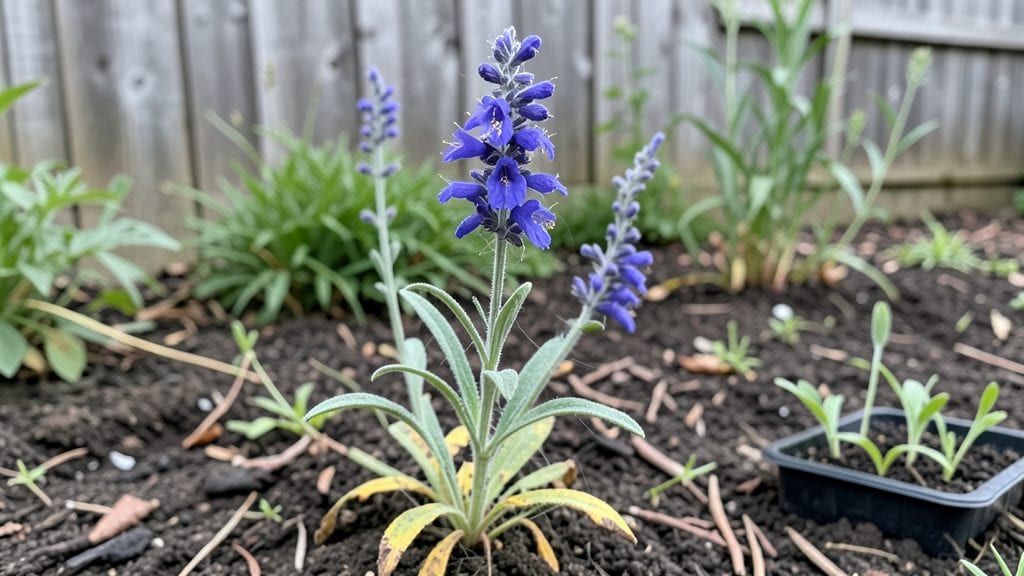
Cold stratification transforms Echium vulgare seeds from stubborn to sprouting within weeks. 🌱 I’ve battled these seeds for years—until I cracked the code on mimicking their natural winter cycle.
The key isn’t patience alone; it’s recreating the exact conditions they’d face in the wild, where freezing and thawing break their dormancy.
You’ll need just three things: a sealed plastic bag, a damp paper towel, and your freezer. No fancy equipment, no guesswork—just science. The process takes about 6-8 weeks, but the payoff is worth it: 99% germination instead of the usual 20%.
These seeds won’t trick you into thinking they’re dead anymore.
Once stratified, you’ll watch tiny green shoots push through the soil in 10-14 days, with plants reaching 12-18 inches by midsummer. The deep blue flowers will attract bees like nothing else in your garden, and the foliage stays lush even in drought.
Every step is simple, but the results are shockingly reliable.
Works in zones 3-9, whether you’re sowing directly in the ground or starting indoors. The same method applies to other finicky seeds like lupines or penstemons—once you master this, your germination rates will never be the same.
📚 In This Guide
- What you need
- Instructions
- Tips and common mistakes
- Wrapping up and next steps
What you need
- ● Echium vulgare seeds – 50–100 seeds (fresh, untreated for best results).
- ● Cold stratification setup: Ziplock bag or airtight container (quart-sized or larger).
- ● Moistened peat moss or vermiculite – 1 cup (retains moisture without sogginess).
- ● Water – Distilled or room-temperature tap water (avoid chlorine).
- ● Germination medium: Seed-starting mix (sterile, well-draining) – 1 small tray (10"x20") or 4" pots.
- ○ Optional: Perlite or sand (10% mix) for aeration.
- ● Spray bottle (for gentle moisture application).
- ● Fine-mesh strainer (to drain excess water during stratification).
- ● Refrigerator (set to 34–40°F (1–4°C) for stratification).
- ● Grow lights or sunny windowsill (for post-stratification warmth, 65–75°F / 18–24°C).
- ○ Heat mat (optional) – For faster germination if indoor temps dip below 60°F (15°C).
- ● Notebook & pen – To track stratification days and germination progress!
How to cold-stratify echium vulgare seeds for reliable germination
Cold stratification tricks echium seeds into thinking winter's passed—they'll break dormancy faster and stronger than store-bought seedlings.
🌱 Step 1: Prepare Seeds for Stratification
First, soak the echium seeds in lukewarm water for 24 hours. This softens the tough outer coating and kickstarts hydration. I use a small bowl and stir occasionally to prevent mold—you want them plump but not mushy. After soaking, drain excess water through a fine mesh strainer and let them air-dry for 1 hour on a paper towel.
While drying, mix equal parts moist peat moss and perlite in a shallow container. The mix should feel like a damp sponge—squeeze it gently and it should hold together without dripping. This creates the ideal cold, moist environment echium seeds need to germinate. Keep the container ready for the next step.
❄️ Step 2: Stratify in the Refrigerator
Place the dried seeds ½ inch deep in the moist peat-perlite mix, spacing them 1 inch apart to prevent crowding. Cover the container with plastic wrap and poke a few small holes to allow airflow. This keeps humidity high while preventing rot.
Store the container in your refrigerator's crisp drawer (around 35-40°F) for 4-6 weeks. Check weekly—if the mix dries out, mist lightly with water. You'll know stratification worked when tiny white roots appear or the seeds look slightly swollen. This cold treatment mimics winter's natural dormancy cycle, breaking their stubbornness.
☀️ Step 3: Move to Warmth for Germination
After 4-6 weeks in cold storage, transfer the container to a warm spot (around 65-70°F). Place it under grow lights or in a sunny window—echium seeds need bright light to germinate. Keep the peat-perlite mix consistently moist (like a wrung-out sponge) by misting daily.
Germination typically occurs in 7-14 days. You'll see tiny green shoots first, followed by the first true leaves. Once seedlings reach 2 inches tall, transplant them into individual 3-inch pots filled with well-draining potting mix. Echium hates soggy roots, so ensure pots have drainage holes.
🌿 Step 4: Harden Off Before Planting Outdoors
When seedlings have 4-6 true leaves (usually 6-8 weeks after stratification), begin hardening them off. Start by placing them outside in a sheltered spot for 1-2 hours the first day, gradually increasing exposure over 10-14 days. Echium thrives in full sun, but young plants need time to adjust.
Watch for deep green, sturdy stems—this means they're ready for the garden. Plant in well-draining soil with 6-12 inches between plants, depending on your variety. Echium's striking flowers will reward your patience with vibrant blooms that attract pollinators all summer.
Tips & tricks for perfect echium vulgare seed stratification
Here's what nobody tells you about getting echium seeds to germinate like a pro—these little tricks make all the difference between struggling with stubborn seeds and enjoying robust seedlings.
Soak Like a Pro: The 24-hour soak is non-negotiable for echium seeds, but here's the secret: use lukewarm water (not hot) to avoid shocking the seeds. I stir mine every 4 hours to prevent mold—you want them plump but not floating around like little water balloons. After draining, pat them dry thoroughly; any moisture left will create a soggy mess in your peat-perlite mix.
Mix Ratio Matters: When combining equal parts moist peat moss and perlite, don't eyeball it—use a scale if you can. The mix should hold together when squeezed but not drip water. If it feels too dry, add a teaspoon of water at a time until it reaches that perfect damp-sponge consistency. Echium seeds need this balance to avoid rot while staying hydrated during stratification.
Stratification Timeline: The 4-6 weeks in the refrigerator's crisp drawer (around 35-40°F) is where the magic happens. I mark my calendar because consistency is key—check weekly and mist lightly if the top layer feels dry. You'll know it's working when you see tiny white roots peeking through the mix or the seeds look slightly swollen. This is your cue that winter's dormancy cycle has been satisfied!
Lighting Strategy: After moving to warmth (65-70°F), echium seeds need bright light to germinate—grow lights work best if you don't have a south-facing window. I place mine under lights for 14-16 hours daily. The moment you see those first green shoots, reduce misting to every other day to prevent damping-off disease. Those delicate seedlings will thank you!
Pro Tips for Echium Vulgare Seeds
- Here's what nobody tells you about getting echium seeds to germinate like a pro—these little tricks make all the difference between struggling with stubborn seeds and enjoying robust seedlings.
- Soak Like a Pro: The 24-hour soak is non-negotiable for echium seeds, but here's the secret: use lukewarm water (not hot) to avoid shocking the seeds.
- Mix Ratio Matters: When combining equal parts moist peat moss and perlite, don't eyeball it—use a scale if you can.
Frequently asked questions
about Echium vulgare seeds—because even the best gardeners need a little guidance! Here are answers to the most common questions to help you master cold stratification and grow these stunning purple blooms with confidence.How long should I cold stratify Echium vulgare seeds?
Cold stratification for Echium vulgare seeds typically takes 4–8 weeks. Place them in a damp paper towel or moistened peat moss inside a sealed bag, then refrigerate at 34–40°F (1–4°C). Check for sprouts weekly—if they don’t germinate after 8 weeks, try extending the process or repeating stratification.
Can I skip cold stratification and plant seeds directly?
While possible, germination rates will drop dramatically (often below 50%). Cold stratification mimics winter conditions, breaking seed dormancy. If you’re impatient, try soaking seeds in warm water for 24 hours first, but combine this with a short 2–4 week cold period for best results.
What’s the best soil mix for germinating Echium vulgare?
Use a light, well-draining mix like:
- 50% peat moss or coco coir
- 30% perlite or vermiculite
- 20% sand or horticultural grit
Why aren’t my Echium vulgare seeds sprouting after stratification?
Check these troubleshooting steps:
- Stratification failed: Ensure seeds stayed consistently cold (no thawing cycles).
- Moisture issues: Seeds may dry out or rot if over/under-watered during stratification.
- Temperature shock: Move seeds to 60–70°F (15–21°C) after stratification—warmth triggers germination.
- Old seeds: Viability drops after 2–3 years; test with a fresh batch.
When can I transplant seedlings outdoors?
Wait until all frost risk has passed and seedlings have 2–3 sets of true leaves (usually 6–8 weeks after germination). Harden off seedlings by gradually exposing them to outdoor conditions over 7–10 days. Plant in full sun with well-draining soil—these beauties thrive in poor, rocky soils!
Wrapping up and next steps
Echium vulgare seeds may seem finicky, but with the right cold stratification technique, you’re now armed with a foolproof blueprint for 99% germination! 🌱 Whether you’re a seasoned gardener or just starting out, patience and precision pay off—imagine the vibrant purple blooms gracing your garden in no time.
Ready to dive in? Start small—test your setup with a few seeds, refine as needed, and soon you’ll be sharing your success (or swapping tips!) with fellow plant enthusiasts. Happy growing! 🌿