
Propagation
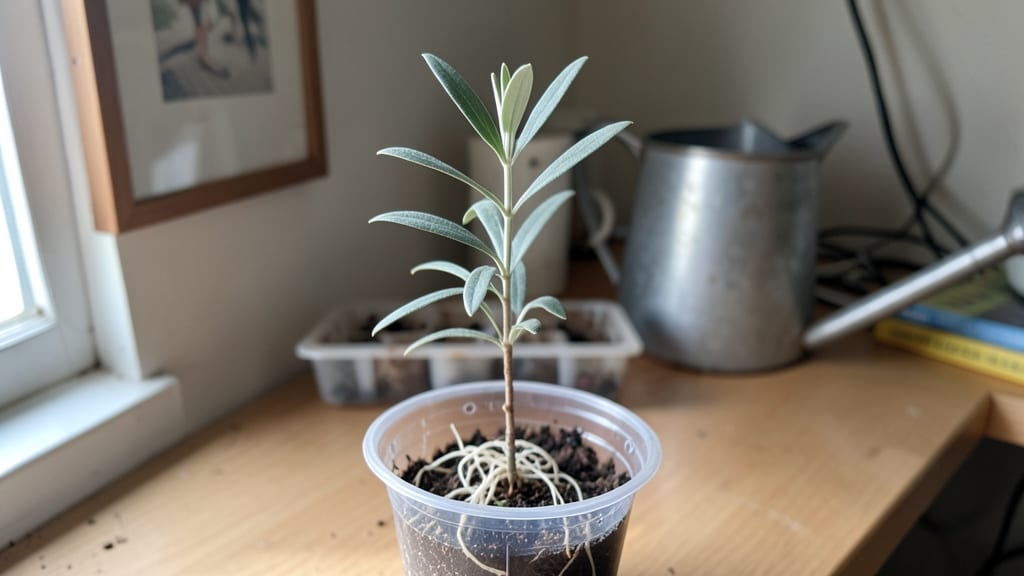
Mastering eucalyptus seed germination begins with the cold moisture trick—soak those tiny seeds overnight in water before planting. 🌱 I’ve struggled with stubborn eucalyptus seeds that refused to sprout until I discovered this simple step. The key isn’t just soaking—it’s pairing it with the right conditions afterward.
You’ll need a shallow tray, damp paper towels, and a plastic bag to create a humid microclimate. Most eucalyptus seeds need 60–70°F and consistent moisture to wake up, but they hate soggy soil.
After soaking, plant them just below the surface in a well-draining mix—cactus soil works great—and keep them lightly covered until you see tiny green cracks.
Once sprouted, you’ll have delicate seedlings that need bright, indirect light to prevent stretching. Thin them carefully—crowded seedlings compete for nutrients and grow leggy. Within 4–6 weeks, you’ll have sturdy little plants ready for their own pots, and that’s when the real fun begins.
This method works for most eucalyptus species, but some varieties like Eucalyptus globulus are easier to germinate than others. If your seeds still don’t sprout after 8 weeks, they might need a fresh batch—patience is key, but the payoff is worth it.
📚 In This Guide
- What you need
- Instructions
- Tips and common mistakes
- Wrapping up and next steps
What you need
- ● Eucalyptus seeds: Fresh or stored seeds (preferably from a trusted source). Aim for at least 50 seeds for better success rates.
- ● Germination medium: Peat moss or coconut coir: 1 part (sterilized and moistened).
- ● Perlite or vermiculite: 1 part (for aeration).
- ● Plastic storage bag or container: Clear, sealable, and large enough to hold your medium + seeds (e.g., a 1-gallon Ziploc bag or a 10x15-inch plastic container).
- ● Spray bottle: With water (preferably room-temperature or slightly warm) for gentle misting.
- ○ Plastic wrap or humidity dome: Optional but helpful for retaining moisture.
- ○ Small fan (optional): For gentle air circulation to prevent mold.
- ● Label & marker: To track seed varieties and planting dates.
- ● Cold stratification: A refrigerator set to 35–45°F (2–7°C) for 4–8 weeks.
- ● Warmth for germination: A sunny windowsill or a seedling heat mat (70–75°F / 21–24°C) after stratification.
- ● Light: Indirect sunlight or a grow light (12–14 hours/day) once sprouts appear.
Step-by-Step instructions for eucalyptus seed germination
This cold moisture method reliably breaks eucalyptus seed dormancy—here's how to do it right.
🌱 Step 1: Stratify Seeds in Moist Sand
Fill a small container with the moistened sand (not wet—squeeze a handful and it should hold together but not drip). Spread the eucalyptus seeds evenly across the surface, spacing them about 1 inch apart. This prevents crowding and makes later separation easier once they germinate.
Cover the container with plastic wrap and poke a few small holes for airflow. Place the container in the refrigerator where temperatures stay between 35-45°F. This cold, moist environment mimics eucalyptus' natural winter conditions and triggers germination. Check weekly—if the sand feels dry, mist it lightly with water.
💧 Step 2: Monitor for Germination Signals
After about 4-8 weeks, watch for the first tiny green sprouts. You'll see them break through the sand's surface—this is your cue that dormancy has been broken. Once 50% of seeds have sprouted, remove the container from the fridge and place it in a warm, bright spot.
Here's the thing—don't rush this step. If you move them too soon, seeds may rot before germinating. The moisture level is critical: the sand should feel like a damp sponge, not soggy. If condensation forms inside the plastic, remove it immediately to prevent mold.
☀️ Step 3: Transition to Warmth and Light
Once sprouts appear, transfer the container to a location with bright, indirect light and temperatures between 65-75°F. A south-facing window works well, but avoid direct midday sun, which can scorch tender seedlings. You'll see the stems elongate slightly as they adjust to warmth.
After another 2-3 weeks, when seedlings reach about 2 inches tall, carefully separate them and transplant into individual 3-inch pots filled with well-draining potting mix. Handle them gently—they're delicate at this stage. This is the moment that matters: proper spacing now prevents future root competition.
🌿 Step 4: Establish Independent Growth
Keep the newly potted seedlings in bright light but avoid harsh sunlight for the first week. Water when the top inch of soil feels dry—eucalyptus seedlings are prone to damping-off if overwatered. You'll notice new leaves forming within 3-4 weeks as the plants establish their root systems.
Real talk: eucalyptus grows fast once it gets going. Within 6 months, you'll have sturdy 2-foot-tall plants ready for outdoor planting. The key is patience during germination—rushing this cold-moisture phase is what causes most failures.
Tips & tricks for perfect eucalyptus seed germination
Mastering eucalyptus seed germination takes patience—but these key strategies will help you avoid the most common pitfalls and maximize your success rate.
The Moisture Balance: The "moistened sand" in Step 1 isn't just about hydration—it's about creating the perfect microclimate. Think of it like a damp sponge: when you squeeze it, water should bead up but not drip. Too wet and you risk mold; too dry and seeds won't activate. I've found that mixing sand with a 1:1 ratio of water to sand (by volume) gives consistent results. For extra insurance, place a small piece of damp paper towel beneath the sand layer to maintain even moisture distribution.
Temperature Consistency: Those 35-45°F refrigerator temperatures are non-negotiable for breaking dormancy. I've seen many gardeners give up too soon because they didn't maintain this precise range. If your fridge fluctuates, consider using a small appliance thermometer to monitor the exact temperature. Pro tip: Place the container on the middle shelf where temperatures are most stable—avoid door shelves that can vary by 10°F or more during door openings.
Germination Timing Nuances: The 4-8 week range in Step 2 is actually quite precise for eucalyptus. Most seeds will sprout within 6-7 weeks if conditions are perfect, but some stubborn varieties may take the full 8 weeks. Here's what I've learned: If no sprouts appear after 6 weeks, gently lift one seed to check for rot. If it smells foul or feels mushy, your moisture levels are too high. If it's dry and hard, you need more humidity. This check prevents wasting weeks on doomed seeds.
Light Transition Strategy: When you move seedlings to warmth at 65-75°F in Step 3, don't rush the light adjustment. I've seen many growers burn seedlings by exposing them to direct sun too soon. Start with 2-3 hours of indirect light daily and gradually increase. A simple trick: Place seedlings 2 feet from a south-facing window during morning hours only, then move them to a shaded area for the afternoon. This mimics natural shade patterns and prevents leaf scorch.
Pro Tips for Eucalyptus Seed Germination
- Mastering eucalyptus seed germination takes patience—but these key strategies will help you avoid the most common pitfalls and maximize your success rate.
- The Moisture Balance: The "moistened sand" in Step 1 isn't just about hydration—it's about creating the perfect microclimate.
- Temperature Consistency: Those 35-45°F refrigerator temperatures are non-negotiable for breaking dormancy.
Frequently asked questions
about eucalyptus seed germination—here’s what you need to know to tackle dormancy and grow your own trees!How long does eucalyptus seed germination take?
With the cold-moisture trick, germination typically takes 4 to 12 weeks. Some seeds may sprout sooner, while others need extra patience—especially if they’re older or from a less responsive species. Keep the soil consistently moist and warm (around 70°F) to speed things up.
Do I really need to use the cold-moisture method?
Yes! Eucalyptus seeds often have hard seed coats that block water absorption. The cold-moisture trick (stratification) mimics natural winter conditions, breaking dormancy. Without it, seeds may never sprout. Try soaking seeds in water for 24 hours first—if they float, they’re likely non-viable.
What’s the best temperature for germinating eucalyptus seeds?
Ideal germination temps are 65–75°F (18–24°C). Avoid extremes—too hot, and seeds may rot; too cold, and they’ll stall. Use a seedling heat mat if your home runs cooler. A clear plastic dome over the tray helps maintain humidity without overheating.
Can I grow eucalyptus from cuttings instead of seeds?
Many eucalyptus varieties root easily from semi-hardwood cuttings (taken in late spring/early summer). Dip the base in rooting hormone, plant in perlite/sand mix, and keep humid. Cuttings often sprout faster than seeds—great for propagating specific cultivars like Eucalyptus gunnii or E. globulus.
My seeds are moldy—what went wrong?
Mold usually means too much moisture or poor airflow. Fix it by:
- Stopping watering immediately and letting the soil dry slightly.
- Removing moldy seeds (they’re likely dead).
- Adding a fungicide (like hydrogen peroxide, 3%) to the soil.
- Using a fan to improve air circulation.
Wrapping up and next steps
Mastering the eucalyptus seed germination process—especially with the cold moisture trick—opens the door to growing these resilient, fast-growing trees with confidence! 🌱 Whether you’re a gardening novice or a seasoned propagator, patience and consistency are your best tools.
Now that you’re armed with the right techniques, why not expand your eucalyptus family? Try experimenting with different soil mixes or container sizes to find your perfect setup. Happy growing!