Lawn
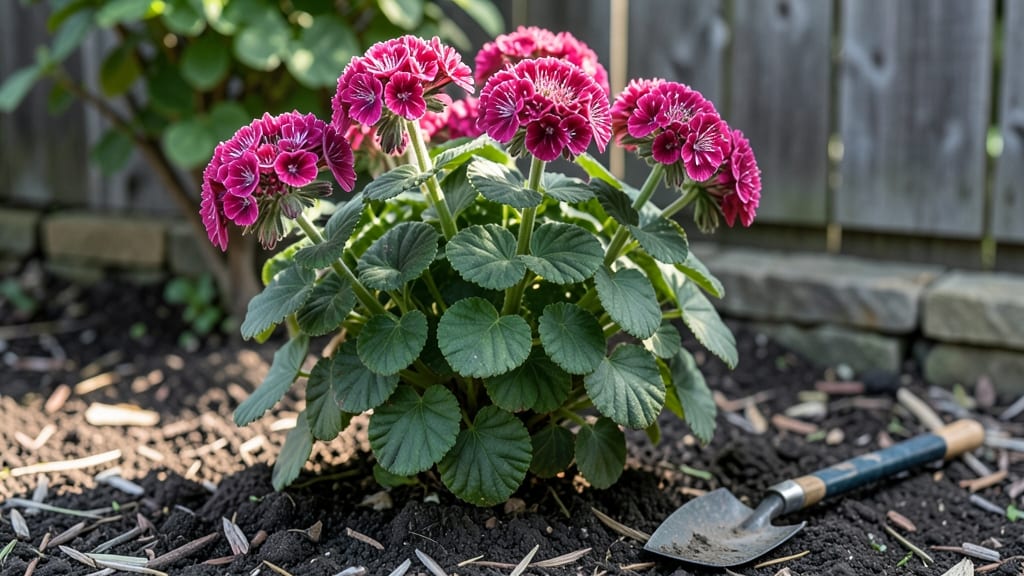
The collection of geranium seeds from mature plants is the secret to expanding your garden without buying new varieties every year—once you know the trick. 🌿 I’ve saved seeds from my hardy geraniums for years, and the process is simpler than most gardeners realize. the right timing and techniques.
These seeds stay viable for years if stored properly, giving you a free, endless supply of plants tailored to your climate.
The best time to harvest is when the seed pods turn from green to brown and begin splitting open on their own. Most geranium varieties produce seeds in late summer or early fall, depending on your zone—just watch for those telltale dry pods.
You’ll need a small container, scissors, and a dry, dark place for storage, but that’s about it. The key is acting fast once the pods crack open, before the seeds scatter.
Once dried, the seeds are ready to plant. They germinate best in well-draining soil with warmth, so start them indoors 8-10 weeks before your last frost for a head start. You’ll end up with sturdy young plants that look just like their parents—sometimes even more vibrant.
The first year might be spotty, but with patience, you’ll build a collection that outperforms store-bought seedlings.
This method works for both annual and perennial geraniums, though perennials in colder zones may need winter protection. Store seeds in paper envelopes labeled with the variety and harvest date—they’ll keep for up to five years. Now, let’s get those seeds from plant to soil without losing a single one.
📚 In This Guide
- What you need
- Instructions
- Tips and common mistakes
- Wrapping up and next steps
What you need
- ● Geranium plants – Mature, healthy plants (preferably Pelargonium varieties) with fully developed seed pods. Aim for at least 3-5 plants for a diverse seed collection.
- ● Sharp pruning shears or scissors – For cleanly snipping seed pods before they burst open.
- ● Brown paper bags or breathable fabric sacks – 2-3 bags, large enough to hold pods without crushing them (avoid plastic to prevent moisture buildup).
- ● Labeling tags or masking tape + marker – To mark varieties (e.g., "Scarlet Elite," "Zonal Geranium") and harvest dates.
- ● Drying tray or wire rack – For spreading pods to dry evenly (a cookie sheet works in a pinch!).
- ● Small mesh bags or envelopes – For storing dried seeds (e.g., paper seed envelopes or breathable organza bags).
- ● Hand lens or magnifying glass – For inspecting seed pods for pests or damage.
- ● Desiccant packets – To keep seed storage areas extra dry (especially in humid climates).
- ● Seed catalog or notebook – To track varieties, germination rates, and notes on performance.
- ● Glove – Protects hands from prickly stems or sap (some geraniums can be mildly irritating).
- ● Humidity monitor – Ideal for storing seeds long-term (aim for 30-40% humidity).
Step-by-Step guide to collecting geranium seeds
Here’s how to preserve your favorite varieties and grow new plants from home-collected seeds.
🌿 Step 1: Identify and Select Healthy Geranium Plants
Choose four mature geranium plants that are thriving and free of disease. Look for plants with vibrant foliage and plenty of blooms—these are the best seed producers. Avoid plants that look stressed or have spotted leaves, as their seeds may not germinate well.
If you’re growing zonal geraniums (Pelargonium zonale) or ivy geraniums (Pelargonium peltatum), pick the healthiest specimens. These varieties produce seeds reliably, while some fancy hybrids (like those with double blooms) may not set seed at all. That’s why I always keep a few simple, single-flower types specifically for seed collection.
☀️ Step 2: Wait for Seeds to Mature Fully
Allow the flowers to fully wilt and dry on the plant after blooming. This usually takes 2-3 weeks in warm weather. You’ll know seeds are ready when the seed pods turn brown and papery—they’ll look like tiny, dry capsules with a slight crinkle.
Don’t rush this step! Harvesting too early means seeds won’t be fully developed. If you’re in a cooler climate, extend the drying time by 1-2 weeks or bring pods indoors to finish maturing in a dry, warm spot. Once the pods start splitting open on their own, it’s time to collect.
✂️ Step 3: Harvest and Dry the Seed Pods
Gently snip the dried seed pods from the stems using clean scissors or pruners. Place them in a paper bag (not plastic—plastic traps moisture and can cause mold). Store the bag in a dry, shaded area for 1-2 weeks to ensure seeds are completely dry.
Shake the bag occasionally to release any seeds that might still be inside. If you’re impatient, you can carefully open the pods by hand and pick out the tiny, black or brown seeds—they’re about the size of poppy seeds. Store them in a small envelope labeled with the variety and harvest date.
🪴 Step 4: Store Seeds Properly for Next Year
Keep seeds in a cool, dry place (like a sealed container in the fridge) for up to 2 years. Geranium seeds lose viability quickly, so don’t wait too long to plant them. When ready to sow, scatter them on the surface of moist potting mix—they need light to germinate, so don’t bury them.
Cover the tray with plastic wrap to retain moisture and place it in a warm spot (70-75°F). You should see sprouts in 2-4 weeks. If germination is slow, try soaking seeds in lukewarm water for 12 hours before planting. This helps break dormancy for stubborn seeds.
Tips & tricks for perfect geranium seed collection
Collecting geranium seeds successfully means paying attention to details that make all the difference between viable seeds and wasted effort.
Variety Matters: In Step 1, focus on selecting plants with single blooms rather than double varieties—they produce far more reliable seeds. I've learned this the hard way after trying to collect seeds from fancy hybrids that just won't cooperate. Zonal and ivy geraniums are your best bets for consistent seed production.
Timing Secret: The 2-3 week drying period in Step 2 is crucial—don't rush it! I've seen seeds harvested too early fail to germinate completely. In cooler climates, that extra 1-2 weeks makes all the difference. Watch for those brown, papery pods to develop that slight crinkle texture before collecting.
Harvesting Technique: When snipping those dried seed pods in Step 3, work on a dry day to prevent any accidental moisture. I use clean pruners and immediately place them in a paper bag (never plastic!) to avoid mold. Shake the bag every few days to release any seeds that might still be inside the pods.
Storage Wisdom: For long-term storage in Step 4, I like to use small glass jars with tight-sealing lids instead of envelopes. Label each jar with the variety name and harvest date—this prevents mix-ups when you're ready to plant next spring. The fridge keeps seeds viable for up to 2 years, but I always plant mine within 12 months for best results.
Pro Tips for Geranium Seed Collection
- Collecting geranium seeds successfully means paying attention to details that make all the difference between viable seeds and wasted effort.
- Variety Matters: In Step 1, focus on selecting plants with single blooms rather than double varieties—they produce far more reliable seeds.
- Timing Secret: The 2-3 week drying period in Step 2 is crucial—don't rush it!
Frequently asked questions
Got questions about collecting geranium seeds?
You’re not alone! Here are answers to some of the most common queries to help you succeed in your seed-saving journey.
When is the best time to collect geranium seeds?
Collect seeds when the seed pods turn from green to brown and start cracking open—usually late summer to early fall (August–October). Harvest them before they release seeds naturally to avoid contamination. Pro tip: Morning collection ensures seeds are dry and ready for storage.
How do I know if my geranium seeds are mature?
Mature geranium seeds are contained in dry, papery pods that split open easily. If the pods are still green or firm, they’re not ready. Look for a light brown color and a crispy texture—this signals it’s time to harvest! Pro tip: Gently squeeze a pod; if seeds rattle inside, they’re mature.
What’s the best way to store geranium seeds for next season?
Store seeds in a cool, dry place (like a sealed envelope or airtight container) with a desiccant packet to prevent moisture. Label them with the variety and date, then refrigerate for up to 2 years. Pro tip: Avoid plastic bags—humidity can ruin seeds!
Can I collect seeds from hybrid geraniums?
Hybrid geraniums (like those from nurseries) may not produce true-to-type seeds. If you want consistent results, save seeds from heirloom or open-pollinated varieties. Pro tip: Check seed packets for "open-pollinated" labels to ensure reliability.
What should I do if my seeds won’t germinate?
Try scarifying seeds (lightly nicking the outer shell) or soaking them in warm water for 24 hours to break dormancy. Poor germination can also stem from old seeds—test viability by floating them in water (viable seeds sink). Pro tip: Plant fresh seeds in well-draining soil and keep them moist but not soggy.
Wrapping up and next steps
Collecting geranium seeds is a rewarding way to expand your garden with vibrant, low-maintenance blooms! By understanding peak harvesting times—typically mid-to-late summer—and using the right tools, you’ll ensure healthy seed viability.
Whether you’re saving seeds from heirloom varieties or experimenting with new hybrids, this process connects you to nature’s cycle in a hands-on, fulfilling way.
Ready to dive in? Start small—pick a few plants, master the technique, and soon you’ll be sharing your geranium treasures with fellow gardeners! 🌱✨