
Propagation
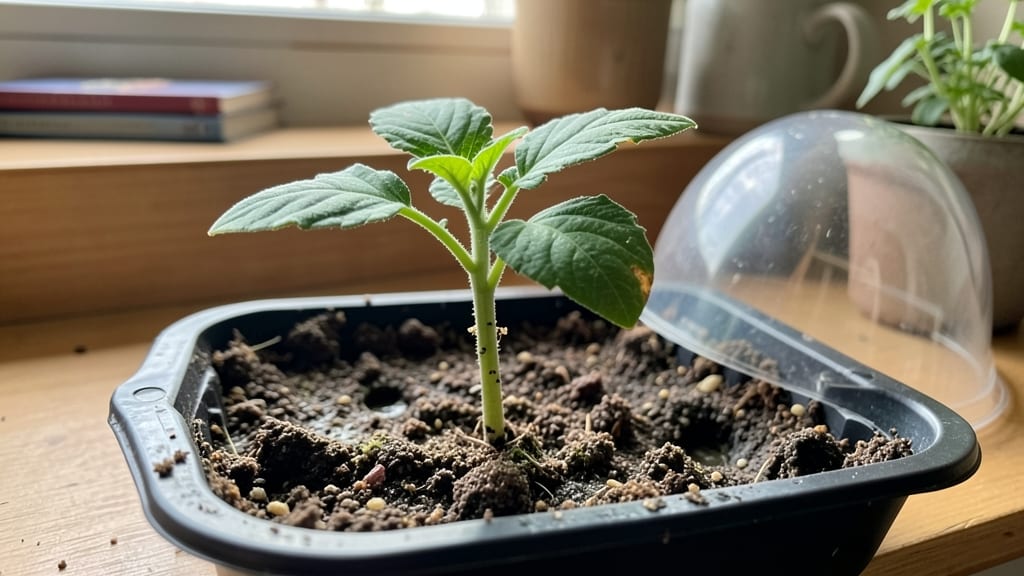
Germinating jalapeño seeds is where the real heat begins—those tiny specks hold the potential for fiery peppers that’ll change your garden forever. I’ve watched my first sprouts push through soil like tiny green rockets, and it’s the most rewarding part of growing these spicy stars.
The key isn’t just patience; it’s creating the perfect cozy conditions for them to wake up hungry and ready to grow.
You’ll need just a few simple things: a shallow container, seed-starting mix, and a warm spot—think 75-85°F—because jalapeños love it toasty. No fancy equipment here; even a repurposed takeout container works if you keep the soil damp (not soggy) and covered until those first green tips appear.
Most seeds pop up in 5-7 days, but some stubborn ones take up to two weeks—don’t rush them.
Once they sprout, you’ll see a tiny loop of green breaking through the soil, followed by two leaves unfurling like nature’s own unboxing. Keep them under grow lights or in the sunniest window, and you’ll have sturdy seedlings ready for transplanting in 4-6 weeks.
The smell of fresh soil mixed with that first hint of green is what makes this process worth every minute of waiting.
Here’s the secret: consistency is everything. Too much water drowns them; too little leaves them thirsty. And if they take longer than expected? Don’t give up—some seeds just need a little more time to gather their spice.
Soon, you’ll be pinching off those first baby peppers, and the real adventure begins.
📚 In This Guide
- What you need
- Instructions
- Tips and common mistakes
- Wrapping up and next steps
What you need
- ● Jalapeño seeds: Fresh, high-quality seeds (10–20 seeds for a small harvest). Pro tip: Save seeds from store-bought jalapeños only if you’ve confirmed they’re heirloom or non-hybrid!
- ● Seed-starting mix: Lightweight, sterile potting soil (1–2 cups). Avoid garden soil—it’s too dense for germination.
- ● Containers: Small pots (2–3 inches deep), seed trays, or even recycled egg cartons (with drainage holes!).
- ● Spray bottle: For gentle watering (avoid over-saturating seeds).
- ● Plastic wrap or dome: To create a mini greenhouse effect (e.g., a ziplock bag with holes or a clear lid).
- ○ Heat mat (optional but helpful): Keeps soil warm (70–85°F) for faster germination. A simple seedling heat mat works.
- ● Grow lights: LED or fluorescent bulbs (12–16 hours/day) to prevent leggy seedlings.
- ● Fertilizer: A balanced, water-soluble fertilizer (diluted to half-strength) after sprouts emerge.
- ● Humidity tray: A shallow tray with pebbles and water to maintain moisture levels.
- ● Label markers: To track seed varieties (especially if testing different types!).
Step-by-step instructions for germinating jalapeno seeds
Here's how to get your spicy seedlings off to a strong start in just a week.
Prepare Your Containers and Soil Mix
Use small, clean containers—2-3 inches deep—with drainage holes to prevent waterlogging. I like to use biodegradable pots because they let me transplant seedlings without disturbing their roots later. Fill each container with 1 cup of seed-starting mix per pot, leaving about ½ inch of space at the top. Press the mix down lightly so it's firm but not compacted.
The key here is moisture without sogginess. Water the mix until it feels damp to the touch—like a wrung-out sponge—then let it sit for 10 minutes so excess water can drain. This step prevents the soil from becoming too dense, which can suffocate young roots.
Plant the Seeds at the Right Depth
Jalapeno seeds are tiny but mighty. Plant 1-2 seeds per container at a depth of just ¼ inch—about the width of a pencil eraser. Press them gently into the soil so they make good contact but don’t bury them too deep. Overplanting now saves you from thinning later, but don’t cram them in too tightly.
Cover the seeds lightly with a sprinkle of the same seed-starting mix. A fine mist from a spray bottle keeps the soil evenly moist without disturbing the seeds. Label each pot with the variety and date—jalapenos can take 7-10 days to sprout, and patience is key.
Provide Warmth and Humidity for Germination
Jalapenos thrive in warmth, so place your containers in a spot where the soil stays between 75-85°F. A seedling heat mat works wonders here—it keeps the soil consistently warm and speeds up germination. Without one, a sunny windowsill or a warm kitchen counter can work, but monitor the temperature closely.
Cover the containers with clear plastic wrap or a humidity dome to trap moisture. Check daily for condensation—this tells you the humidity is just right. Once you see the first green sprouts, remove the cover immediately to prevent mold. This step is critical: too much humidity can drown your seeds before they even start.
Give Them Light as Soon as They Sprout
The moment those first true leaves appear—not the initial seed leaves—move your seedlings to a bright, south-facing window or under a grow light. Jalapenos need 14-16 hours of light daily to grow strong and sturdy. If you’re using a grow light, keep it 2-3 inches above the seedlings and raise it as they grow to avoid burning.
Watch for leggy growth—thin, stretched-out stems—that means your light isn’t strong enough. If this happens, adjust the light closer or switch to a more powerful bulb. Strong seedlings will have thick stems and dark green leaves. This is your signal that they’re on the right track.
Water Gently and Maintain Consistent Care
Once your seedlings have 2-3 sets of true leaves, water them gently from the bottom—place the containers in a tray of water for 10-15 minutes—to encourage deep root growth. Avoid wetting the leaves, as this can lead to fungal issues. Let the top ½ inch of soil dry out between waterings to prevent overwatering, which is a common killer of young peppers.
After 4-6 weeks, when seedlings are 4-5 inches tall, it’s time to transplant them into larger pots or the garden. Harden them off first by gradually exposing them to outdoor conditions over 7-10 days. This step ensures they’re ready to handle the real world without shock.
Tips & tricks for germinating jalapeno seeds
These simple strategies will help you maximize your chances of success with jalapeno germination, turning those tiny seeds into healthy seedlings in just a week.
Container Selection Matters: While the instructions mention using containers 2-3 inches deep, I've found that adding a small layer of pebbles at the bottom of your pots creates better drainage. This prevents water from pooling at the roots, which can cause rot. I also recommend using clear containers so you can easily monitor moisture levels without disturbing the soil.
Soil Temperature is Critical: Maintaining that 75-85°F soil temperature range is crucial for speedy germination. If your home is cooler, try placing your containers on top of your refrigerator or near a sunny window with indirect heat. A simple trick is to use a thermometer probe inserted into the soil to monitor temperature—this ensures consistency without guesswork.
Light Timing After Sprouting: The 14-16 hours of daily light becomes especially important once your seedlings emerge. I've noticed that using a timer for your grow lights helps maintain this consistency, even if you forget to turn them on or off. Place the light just 2-3 inches above the seedlings, but be prepared to raise it as they grow to prevent burning the tender leaves.
Watering Technique Tip: When you're ready to water your seedlings from the bottom after they develop true leaves, use room temperature water to avoid shocking the roots. I've found that adding a small amount of diluted liquid fertilizer to this watering helps provide essential nutrients without overwhelming the young plants. The 10-15 minute bottom-watering method ensures thorough hydration without surface watering that can cause disease.
Pro Tips for Germinate Jalapeno Seeds
- These simple strategies will help you maximize your chances of success with jalapeno germination, turning those tiny seeds into healthy seedlings in just a week.
- Container Selection Matters: While the instructions mention using containers 2-3 inches deep, I've found that adding a small layer of pebbles at the bottom of your pots creates better drainage.
- Soil Temperature is Critical: Maintaining that 75-85°F soil temperature range is crucial for speedy germination.
Frequently asked questions
How long does it take for jalapeño seeds to germinate?
With the right conditions—warmth (75–85°F), moisture, and darkness—jalapeño seeds typically sprout in 7–14 days. Some may emerge faster (5–7 days) if pre-soaked or kept consistently warm. Patience is key, but if nothing sprouts after 3 weeks, try fresh seeds or adjust your setup.
Do I need to soak jalapeño seeds before planting?
Soaking seeds for 6–12 hours in warm water can speed up germination by softening the seed coat. However, it’s optional—many gardeners skip this step and plant dry seeds directly. If soaking, use room-temperature water (not hot) and avoid over-soaking, which can cause mold.
What’s the best temperature for germinating jalapeño seeds?
Jalapeños thrive in warmth, so aim for 75–85°F (24–29°C) during germination. Use a seedling heat mat, place seeds near a sunny window, or set up a DIY greenhouse (like a plastic dome over a tray). Avoid cold drafts—seeds may rot or fail to sprout if too chilly.
Can I germinate jalapeño seeds in paper towels?
Yes! This paper towel method is great for speed and visibility. Fold a damp paper towel, place seeds between layers, and store in a sealed plastic bag. Keep it warm and check daily for sprouts (usually 5–10 days). Once roots appear, transplant carefully into soil to avoid damaging them.
Why aren’t my jalapeño seeds germinating?
Common culprits include:
- Old seeds: Jalapeños lose viability after 1–2 years; test freshness or source new seeds.
- Poor moisture: Keep soil/towel consistently damp (not soggy).
- Cold temps: Seeds need warmth—adjust your setup if below 70°F.
- Low oxygen: Overwatering or sealed containers can suffocate seeds. Ensure airflow.
Wrapping up and next steps
Germinating jalapeño seeds is a rewarding journey that connects you to the roots of your own spicy harvest! 🌱 With the right conditions—warmth, moisture, and patience—you’ll watch tiny seeds transform into thriving plants in just 7 days.
Whether you’re a beginner or a seasoned gardener, this process is your ticket to a fresh supply of fiery peppers, ready to spice up your kitchen.
Now that you’re armed with knowledge, take the next step—plant those sprouted seeds in soil and nurture them into full-grown plants. Happy growing, and may your garden be as bold as your flavors! 🌶️✨