
Lawn
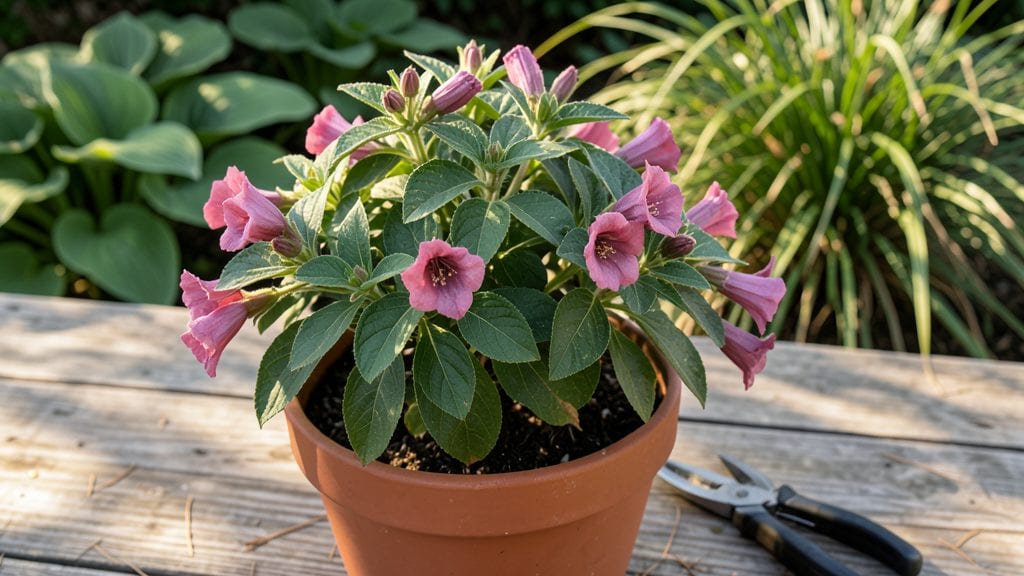
Growing Hawaiian velvet from seed gives you a vibrant, low-maintenance privacy screen that thrives in heat and humidity. 🌿 I planted mine last spring, and within months, the deep purple foliage created a lush barrier that neighbors still ask about.
The secret lies in mimicking its tropical roots—moist, well-draining soil and bright, indirect light are non-negotiable for happy plants.
You’ll need just three things to start: a sunny spot (at least 6 hours of light daily), a 50/50 mix of potting soil and perlite, and patience—germination takes 10-14 days in warm conditions.
Space seedlings 12-18 inches apart at planting, and they’ll fill in faster than you expect. The foliage grows dense enough to block views while still letting light through, unlike thick hedges that feel suffocating.
By year three, your screen will reach 6-8 feet tall, with velvety leaves that stay richly colored even in summer’s harshest heat. Water deeply twice a week (more in drought), and you’ll avoid the wilting that plagues other tropical plants.
The best part? It’s drought-tolerant once established, so once it’s thriving, you’ll barely need to touch it again.
For coastal areas or high-humidity zones, Hawaiian velvet is a game-changer—it handles salt spray and soggy soil better than most shrubs. If you’re in a drier climate, just mulch heavily to retain moisture. Let’s get those seeds sprouting!
📚 In This Guide
- What you need
- Instructions
- Tips and common mistakes
- Wrapping up and next steps
What you need
- ● Hawaiian Velvet Seeds: 1 lb (or ~2,500 seeds) for a dense hedge. Buy from a trusted tropical nursery or online seed supplier.
- ● Well-draining soil mix: 50% native soil + 50% compost or coconut coir (Hawaiian Velvet thrives in slightly acidic to neutral soil, pH 5.5–7.0).
- ● Organic fertilizer: Balanced 10-10-10 or slow-release tropical blend (follow package rates for application).
- ● Mulch: Wood chips or pine bark (2–3 inches thick) to retain moisture and suppress weeds.
- ● Drip irrigation or hose with a gentle spray nozzle: For consistent moisture (Hawaiian Velvet loves water but hates soggy roots!).
- ● Pruning shears: Sharp, sterilized shears for shaping and maintenance.
- ○ Garden stakes or twine: To support young seedlings until established (optional but helpful for windy areas).
- ● Seedling trays or biodegradable pots: For starting seeds indoors (6–8 weeks before last frost).
- ● Shade cloth (30–50% coverage): To protect seedlings from harsh sun until they’re 6+ inches tall.
- ● Soil pH test kit: To ensure optimal growing conditions (adjust with lime or sulfur if needed).
- ● Epsom salt (magnesium sulfate): A foliar spray for vibrant green growth (1 tbsp per gallon of water, applied monthly).
- ● Compost tea or seaweed extract: Boosts root development and disease resistance.
Step-by-Step instructions for growing Hawaiian Velvet seed
Here's how to cultivate this fast-growing tropical vine into a lush, 12-foot privacy screen.
🌱 Step 1: Choose the Perfect Planting Location
Hawaiian Velvet thrives in full sun to partial shade—at least 6 hours of direct sunlight daily for optimal growth. Select a site with well-draining soil and 6+ inches of organic matter worked into the top layer. I always test drainage by digging a 12-inch hole, filling it with water, and waiting—if it drains in under an hour, the spot is ideal.
The vine spreads aggressively, so mark a 10-foot diameter planting area with stakes. This gives roots room to establish before the foliage fills in. If your soil feels heavy or compacted, mix in 3-4 inches of compost to improve aeration and moisture retention.
🪴 Step 2: Plant Seeds or Transplants at the Right Time
Start seeds indoors 8-10 weeks before your last frost or plant transplants in spring after soil warms to 65°F. Dig holes twice as wide as the root ball but only as deep—burying too deeply stresses the plant. Space plants 8-10 feet apart for a dense screen; closer spacing works for faster coverage but may require pruning later.
Place each plant gently into its hole, then backfill with soil while firming lightly around the base. Water deeply to settle the roots, then top-dress with 1-2 inches of mulch (like wood chips) to conserve moisture. Avoid stepping on the soil—compaction slows root growth.
☀️ Step 3: Water and Fertilize for Rapid Growth
Keep soil evenly moist for the first 4-6 weeks, watering 1-2 inches per week. Hawaiian Velvet tolerates drought once established, but young plants need consistent moisture. I check by probing 2 inches deep—if dry, water thoroughly. Overwatering causes root rot, so ensure drainage holes are clear.
Fertilize lightly every 4-6 weeks with a balanced 10-10-10 formula during the growing season. Too much nitrogen encourages leafy growth over vines. In late summer, switch to a low-phosphorus fertilizer to promote flowering and seed production for future plants.
✂️ Step 4: Train and Prune for a Dense Screen
Guide vines along trellises or fences using soft ties to prevent damage. Prune leggy growth in early spring to encourage bushier habits. Cut back overly long vines to 6-8 feet to redirect energy into lateral branches. This creates a fuller, more uniform screen.
Remove dead or diseased foliage immediately—Hawaiian Velvet is generally pest-resistant, but aphids may appear. Spray with neem oil if needed. In winter, trim back 30-50% of the previous year’s growth to stimulate new, vigorous shoots in spring.
⏰ Step 5: Maintain Through the Seasons
In winter, reduce watering but keep soil slightly moist unless in dormancy. Mulch heavily (3-4 inches) to protect roots from cold snaps. Prune lightly in late winter to shape the screen before new growth begins.
By year 3, your Hawaiian Velvet will reach 12+ feet with minimal effort. Enjoy your tropical privacy screen—just remember to harvest seeds in fall for propagation if desired. The velvety leaves provide year-round screening while attracting pollinators.
Tips & tricks for perfect Hawaiian Velvet seed growth
Transforming your backyard into a lush tropical privacy screen starts with these essential tips that'll help you avoid common pitfalls and maximize your Hawaiian Velvet's potential.
Sunlight Secret: While Hawaiian Velvet tolerates partial shade, the 6 hours of direct sunlight mentioned in Step 1 is non-negotiable for that velvety foliage we all love. I've seen plants struggle in spots with only 4 hours of sun—leaves turn sparse and growth slows dramatically. If your location gets less, consider using it as a focal point vine near a sunny window or patio instead of a full screen.
Soil Preparation Strategy: The 6+ inches of organic matter and 3-4 inches of compost in Step 1 aren't just suggestions—they're essential for this tropical plant. I recommend adding perlite or coarse sand to heavy clay soils to improve drainage. For container growing, use a mix of potting soil, compost, and perlite in equal parts. The key is replicating the well-draining, nutrient-rich conditions of its native tropical environment.
Planting Timing Tip: That 65°F soil temperature in Step 2 is your green light to plant—no need to wait for perfect weather. Use a soil thermometer to check, especially in cooler climates. I've found that planting just a week before the official "last frost" date works fine if soil temps are right, and the plants actually handle light frosts better than many gardeners realize. The velvety leaves have a surprising resilience!
Pruning Precision: When trimming back overly long vines to 6-8 feet in Step 4, focus on cutting just above a leaf node where new growth emerges. This encourages bushier growth rather than just longer vines. I like to prune in early spring when new shoots are just starting—this gives the plant energy to fill out before summer's rapid growth phase. And remember, those winter cuts you make in Step 5 are crucial for spring rebirth.
Pro Tips for Hawaiian Velvet Seed
- Transforming your backyard into a lush tropical privacy screen starts with these essential tips that'll help you avoid common pitfalls and maximize your Hawaiian Velvet's potential.
- Sunlight Secret: While Hawaiian Velvet tolerates partial shade, the 6 hours of direct sunlight mentioned in Step 1 is non-negotiable for that velvety foliage we all love.
- Soil Preparation Strategy: The 6+ inches of organic matter and 3-4 inches of compost in Step 1 aren't just suggestions—they're essential for this tropical plant.
Frequently asked questions
Got questions about growing Hawaiian Velvet Seed (Sesbania grandiflora)?
You’re not alone! Here are answers to the most common queries to help you cultivate this stunning tropical privacy screen with confidence.
How long does it take for Hawaiian Velvet Seed to grow into a privacy screen?
The magic happens in 3 years—but don’t rush it! With ideal conditions (full sun, rich soil, and regular watering), these fast-growing trees can reach 15–20 feet tall and provide lush, dense foliage. Patience pays off with a privacy shield that’s both beautiful and functional.
When is the best time to plant Hawaiian Velvet Seed?
Plant in spring or early summer (after the last frost) for the best start. The seeds thrive in warm soil (at least 60°F), so avoid winter planting unless you’re in a frost-free zone. Pro tip: Soak seeds overnight to speed up germination!
How often should I water Hawaiian Velvet Seed trees?
Young seedlings need daily watering for the first few weeks, then taper to 2–3 times per week once established. Mature trees are drought-tolerant but appreciate deep watering during dry spells. Watch for: Wilting leaves = time to hydrate!
Can Hawaiian Velvet Seed grow in containers or small spaces?
While they prefer open spaces, young trees can thrive in large containers (20+ gallons) for 1–2 years before transplanting. Choose a deep, wide pot with drainage—just know they’ll outgrow most patios! For small yards, prune regularly to control height.
Are there any pests or diseases I should watch for?
Generally low-maintenance, but keep an eye out for aphids or whiteflies (spray with neem oil if needed). Overwatering can cause root rot, so ensure well-draining soil. Good news: Their dense foliage deters many pests naturally!
Do Hawaiian Velvet Seed trees produce flowers or seeds?
Yes! They bloom with fragrant, pink or white flowers (edible and pollinator-friendly!) and produce pods with seeds—which you can collect for propagation. Bonus: The flowers attract hummingbirds and butterflies for a lively garden ecosystem!
Wrapping up and next steps
Growing a Hawaiian Velvet Seed privacy screen is a rewarding journey that combines tropical beauty with practicality—imagine lush, velvety foliage transforming your space in just three years! 🌿 Whether you're drawn to its fast growth, low-maintenance charm, or eco-friendly appeal, this plant delivers on both aesthetics and function.
With the right soil, sunlight, and care, you’re well on your way to a serene, green haven.
Ready to take the next step? Start small—plant a few seeds or saplings this season and watch your vision grow! For extra inspiration, explore local nurseries or online forums to connect with fellow gardeners. Your tropical oasis awaits! 🌺