
Vegetables
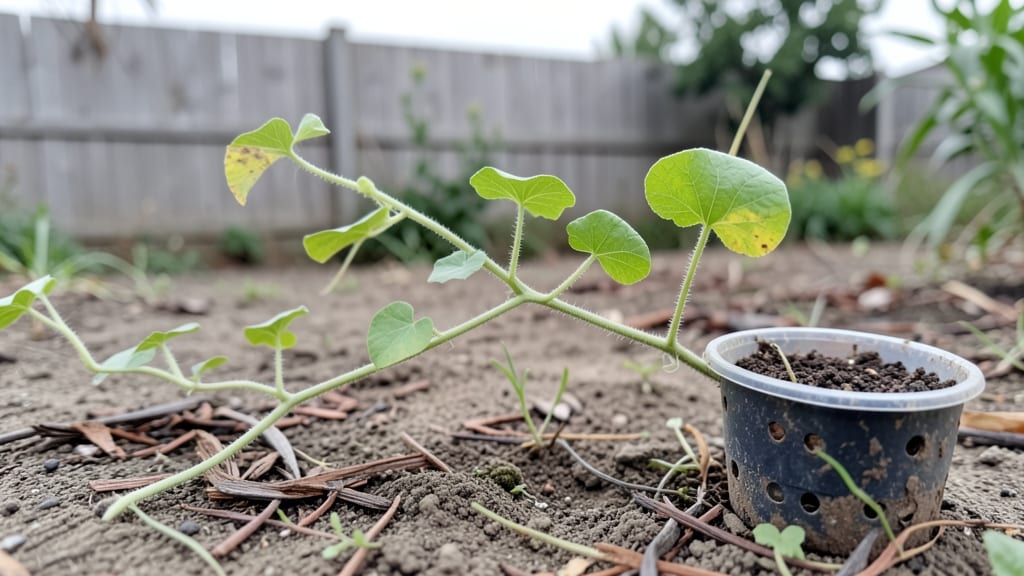
Growing ivy gourd seedlings is how I turned my bare fence into a lush, year-round privacy screen—without spending a dime on lattice or plastic panels. The key starts with those first tiny sprouts, which need just the right warmth and moisture to break through the soil.
I’ve learned the hard way that rushing this stage leads to weak vines later on, so patience pays off in fast-growing, sprawling foliage that smothers unsightly views by summer’s end.
You’ll need a sunny spot (at least 6 hours of direct light daily), a mix of potting soil and compost, and a shallow tray or seed-starting pots.
Plant the seeds just ¼-inch deep, keep them warm (around 75°F), and mist the soil daily until germination—usually within 7-14 days.
The real magic happens when those first leaves unfurl: that’s when you know you’re on track for a vine that’ll climb 15-20 feet in a single season.
By the time your seedlings hit 3-4 inches tall, they’ll be ready to transplant outdoors (or into containers if you’re growing vertically). The vines grow aggressively, so prune them back by ⅓ in early summer to encourage bushier growth.
Within 3 years, you’ll have a dense, evergreen screen that thrives in heat and humidity—perfect for hiding neighbors’ views or adding tropical flair to your yard.
Here’s the best part: ivy gourd isn’t just for looks. The young shoots are edible (tastes like asparagus), and the flowers attract pollinators. Just watch for powdery mildew in damp conditions—spraying neem oil early prevents it. Ready to grow your own green curtain?
📚 In This Guide
- What you need
- Instructions
- Tips and common mistakes
- Wrapping up and next steps
What you need
- ● Ivy gourd seeds: 20–30 seeds (fast-growing vines, so more seeds = quicker coverage)
- ● Seed-starting mix: 5–10 lbs (sterile, well-draining potting soil with perlite or vermiculite)
- ● Containers: 2–3 small pots (4–6 inches deep) or a seed tray with cells (for seedlings)
- ● Growing medium (for transplanting): Well-draining garden soil (amended with compost)
- ○ Optional: 1–2 lbs of balanced fertilizer (10-10-10) or compost tea for extra nutrients
- ● Trellis or support structure: Bamboo stakes, wire mesh, or a sturdy fence (6–10 feet tall for full coverage)
- ● Twine or soft plant ties (for securing vines as they grow)
- ● Watering can or spray bottle: (for gentle hydration)
- ● Mulch: Straw or shredded leaves (to retain moisture and suppress weeds)
- ● Grow lights: LED or fluorescent (if starting indoors before last frost)
- ● Pruning shears: For shaping vines and encouraging bushiness
- ● Epsom salt: 1 tbsp per gallon of water (occasional foliar spray for magnesium boost)
- ● Row covers: Lightweight fabric (to protect seedlings from pests or cold snaps)
Step-by-Step instructions for cultivating ivy gourd seedlings
Transform your outdoor space with a lush, fast-growing ivy gourd privacy screen that thrives year-round.
Prepare the Planting Site for Optimal Growth
Ivy gourd thrives in well-draining soil with a slightly acidic to neutral pH between 6.0 and 7.0. Choose a location that receives full sun to partial shade, ideally with at least 6 hours of direct sunlight daily. Clear the area of weeds and debris, then loosen the top 12 inches of soil with a garden fork to improve aeration and root penetration.
Work in 2-3 inches of compost into the soil to enrich it with organic matter. This ensures your seedlings have the nutrients they need to establish strong roots quickly. If your soil is particularly heavy or clay-like, mix in 1 part perlite to 3 parts soil to improve drainage—ivy gourds despise soggy roots, which can lead to root rot.
Sow Seeds at the Right Depth and Spacing
Ivy gourd seeds germinate best when planted ¼ inch deep in the soil. Since you’re starting four seedlings, space them 12 inches apart in a row to allow for proper air circulation and growth. If you’re planting multiple rows, space them 18 inches apart to create a dense, impenetrable screen over time.
Water the soil thoroughly before sowing to ensure even moisture distribution. After planting, lightly cover the seeds with soil and mist the area gently with water. Keep the soil consistently moist but not waterlogged—ivy gourd seedlings are delicate and can rot if overwatered. Place a small marker near each seed to track its progress, as the vines will eventually sprawl and obscure the planting site.
Provide Consistent Moisture and Warmth for Germination
Germination typically occurs within 7-14 days if the soil temperature remains between 70-80°F. To speed up the process, cover the planting area with a clear plastic sheet or row cover to retain heat and humidity. This creates a mini greenhouse effect, encouraging faster and more uniform germination.
Check the soil daily and water lightly as needed to keep it moist. Avoid letting the soil dry out completely, as this can delay or prevent germination. Once the first true leaves appear, remove the cover immediately to prevent fungal growth. Ivy gourd seedlings are sensitive to damping-off, a common fungal disease that attacks young plants in overly moist conditions.
Train Vines for a Dense Privacy Screen
As your ivy gourd seedlings grow, they’ll begin to produce long, trailing vines. To create a thick privacy screen, install trellises, fences, or sturdy wires at least 8 feet tall and 6 feet wide behind each seedling. Gently guide the vines onto the structure as they grow, securing them with soft ties or twine every 12-18 inches to encourage upward growth.
Prune any weak or leggy vines to redirect energy toward stronger growth. Ivy gourds are vigorous climbers, so regular pruning ensures a full, dense screen rather than sparse, uneven coverage. Fertilize lightly with a balanced, water-soluble fertilizer every 4-6 weeks during the growing season to support rapid vine development. Avoid over-fertilizing, as this can lead to excessive leaf growth at the expense of flowering and fruiting.
Maintain Year-Round Growth with Seasonal Care
Ivy gourds are perennial in warm climates, meaning they’ll continue to grow and spread each year with minimal intervention. In colder months, protect the base of the plant with 2-3 inches of mulch to insulate the roots and retain moisture. If frost is expected, cover the entire plant with burlap or frost cloth to prevent damage.
Water deeply once a week during the growing season, increasing frequency during dry spells. Reduce watering in winter, but never let the soil dry out completely. Ivy gourds are drought-tolerant once established, but consistent moisture encourages lush, vigorous growth. Monitor for pests like aphids or spider mites, which can weaken the vines. Treat infestations early with neem oil or insecticidal soap to keep your privacy screen healthy and thriving.
Tips & tricks for perfect ivy gourd seedling cultivation
Creating a thriving ivy gourd privacy screen requires precision in technique and environmental conditions. These insights will help you avoid common pitfalls and maximize your plant’s potential.
Soil Preparation Insight: When loosening the top 12 inches of soil in Step 1, focus on breaking up compacted layers without disturbing the deeper soil structure. Use a garden fork to create vertical slices rather than horizontal cuts—this improves root penetration while preserving soil integrity. For clay-heavy soils, incorporate perlite at a 1:3 ratio with soil, but mix it thoroughly to avoid creating drainage pockets that could lead to uneven moisture distribution.
Germination Optimization: The 7-14 day germination window in Step 3 assumes consistent soil temperatures between 70-80°F. To accelerate germination, place a thermometer in the soil at seed depth—if temperatures drop below 68°F, use a seedling heat mat (set to 75°F) beneath the planting area. The clear plastic cover creates humidity, but monitor daily for condensation buildup that could promote fungal growth. Remove it immediately when true leaves appear to prevent damping-off disease.
Vine Training Strategy: For Step 4’s trellis installation, position supports at least 6 inches behind the planting line to allow vines to establish before being guided upward. Use soft plant ties (not wire) to secure vines every 12-18 inches—tightening too soon can restrict growth. Prune leggy vines by cutting back to the nearest leaf node, redirecting energy to stronger lateral growth. The 4-6 week fertilization schedule should use half-strength fertilizer during the first application to avoid shocking young plants.
Pro Tips for Ivy Gourd Seedling
- Creating a thriving ivy gourd privacy screen requires precision in technique and environmental conditions.
- Soil Preparation Insight: When loosening the top 12 inches of soil in Step 1, focus on breaking up compacted layers without disturbing the deeper soil structure.
- Germination Optimization: The 7-14 day germination window in Step 3 assumes consistent soil temperatures between 70-80°F.
Frequently asked questions
Got questions about growing ivy gourd seedlings? You’re not alone! Here are answers to the most common concerns—from planting to troubleshooting—so you can get started with confidence.
How long does it take for ivy gourd seedlings to grow into a full privacy screen?
With ideal conditions (warmth, moisture, and full sun), ivy gourd vines can grow 10–15 feet per season. A dense privacy screen typically takes 2–3 years to fully mature, but you’ll see significant coverage in the first year if trained on a trellis or fence.
When is the best time to plant ivy gourd seedlings?
Plant seedlings after the last frost when soil temperatures reach at least 65°F (18°C). In warm climates, you can start as early as spring, while cooler regions may wait until late spring or early summer. Ivy gourd thrives in heat, so avoid planting in fall if frost is likely.
Can I grow ivy gourd from seed instead of seedlings?
Sow seeds ¼-inch deep in well-draining soil after frost. Seedlings usually sprout in 7–14 days in warm conditions. For faster results, opt for transplants (3–4 weeks old) from a nursery. Just ensure they’re hardened off before moving outdoors.
What pests or diseases should I watch for with ivy gourd seedlings?
Common issues include:
- Aphids (sap-sucking insects) – Spray with soapy water or introduce ladybugs.
- Powdery mildew (white fungal spots) – Improve airflow and avoid overhead watering.
- Cucumber beetles – Handpick or use row covers early in the season.
Will ivy gourd survive winter in cold climates?
Ivy gourd is tender and not frost-tolerant. In cold regions, treat it as an annual and replant each spring. For year-round growth, grow it in containers and bring pots indoors (or to a garage) before frost. Mulch heavily in fall to protect roots if attempting overwintering.
Wrapping up and next steps
Growing an ivy gourd seedling is your ticket to a lush, fast-growing privacy screen that thrives year-round with minimal effort! 🌿 With the right soil, sunlight, and care, you’ll enjoy dense foliage in just three years—perfect for gardens, balconies, or even trellises.
Whether you’re a beginner or a seasoned gardener, this hardy vine delivers beauty and functionality without the fuss.
Ready to transform your space? Start by planting your seedlings this season and watch them flourish. Share your progress with fellow gardeners or explore more fast-growing plants to expand your green haven! 🌱