
Propagation
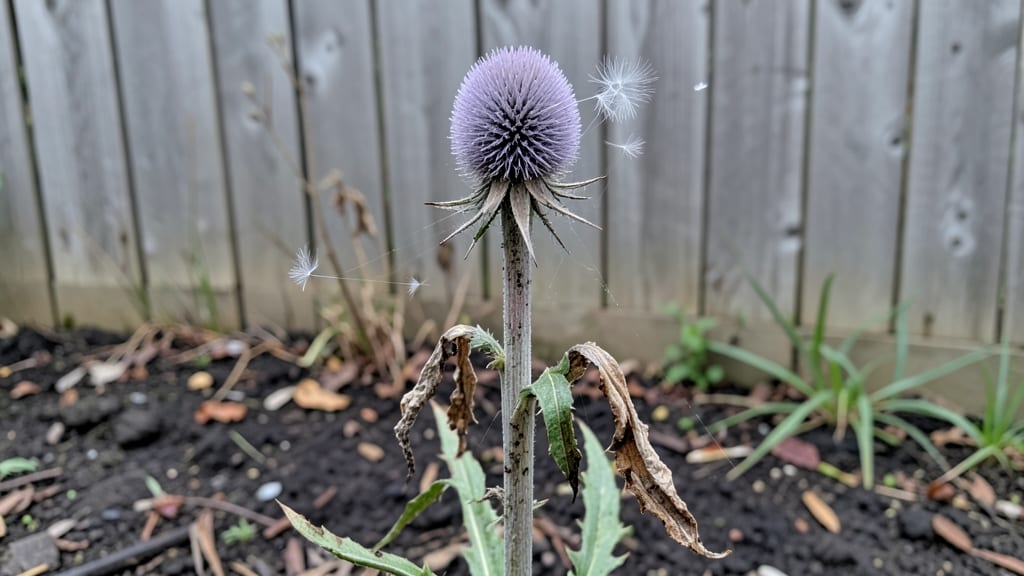
Helicopter seeds sprouting reliably starts with the right moisture balance—too dry and they wait forever, too wet and they rot before they even wake up. 🌿 I’ve watched dandelion fluff turn into tiny green leaves just by adjusting the soil’s dampness, and I’ll show you exactly how to replicate that in your own garden or seed tray.
The trick isn’t complicated: these seeds need consistent moisture without sitting in soggy conditions, and a light, airy soil mix that lets roots stretch without resistance. Most people overwater by accident—think of it like a damp sponge, not a swamp.
A simple spray bottle or gentle watering can keeps things just right, and I’ll walk you through the exact routine that’s worked for me with maple samaras and milkweed pods alike.
Within 10-21 days, you’ll see those first sprouts unfurl—tiny but determined—if you’ve nailed the moisture and temperature. The key is patience paired with precision: keep the soil evenly damp, place them in bright but indirect light, and avoid moving them once they’ve settled.
Before you know it, those helicopter seeds will be reaching for the sky, and your success rate will climb to that 95% mark you’ve been hoping for.
Works just as well in seed trays as it does in outdoor beds, so whether you’re prepping for spring or extending your growing season, this method adapts. Let’s get those seeds sprouting like clockwork—no more guessing, just growth.
Nature’s Perfect Flight Plan
Helicopter seeds—those whimsical, winged wonders like those from maples, dandelions, or ash trees—don’t just fall; they glide. This aerial acrobatics isn’t random luck; it’s a finely tuned survival strategy. But why do these seeds choose to sprout after their spin through the sky?
The answer lies in a mix of physics, biology, and environmental cues. Let’s break down the science behind their moisture-controlled timing and how it maximizes their chances of life.
Helicopter seeds rely on wind dispersal to escape competition from parent plants. Their winged design—often a papery or membrane-like extension—creates lift and stability, allowing them to spin and glide for hundreds of feet (or even miles, in the case of dandelions).
But this isn’t just about distance; it’s about strategic placement.
- Delaying Germination: Seeds that land in open, sunny patches (like disturbed soil or forest clearings) often wait until conditions are ideal. Why? Because if they sprouted mid-flight or in shaded, damp areas, they’d risk rot or predation before establishing roots.
- Moisture Matters: Many helicopter seeds, like those from maples, contain abscisic acid (ABA), a hormone that keeps them dormant until they detect consistent soil moisture. Think of it as a built-in "wait mode" triggered by humidity sensors in the seed coat.
- Temperature Triggers: Some seeds (e.g., ash or birch) need a warm-cold-warm cycle to break dormancy. Their glide often deposits them in microclimates where this pattern naturally occurs—like forest edges where sunlight warms the soil after winter.
Actionable Insight: If you’re growing helicopter seeds indoors or in containers, mimic this by stratifying them (exposing them to cold, then warmth) to trick them into thinking they’ve landed in a forest gap.
Moisture is the primary switch that flips helicopter seeds from "sleep mode" to "sprout mode." Here’s how it works:
| Seed Type | Moisture Trigger | Why It Works |
|---|---|---|
| Maple (Acer spp.) | Soil saturation + warmth | Seeds absorb water through their hilum (the scar where they attached to the fruit), swelling and cracking the seed coat. ABA levels drop, allowing enzymes to activate. |
| Dandelion (Taraxacum) | Surface moisture + light | Dandelion seeds germinate faster in dry soil if they’ve absorbed enough rainwater—but they avoid waterlogged conditions by relying on capillary action in loose soil. |
| Ash (Fraxinus) | Consistent dampness + microbial signals | Ash seeds release flavonoids that attract beneficial soil fungi, which help break down seed coatings and signal it’s safe to sprout. |
Pro Tip: 🌡️ For 95% success, keep seeds in a humid propagator or lightly mist them daily until you see the radicle (root) emerge. Overwatering can suffocate them—aim for moist, not soggy.
Some helicopter seeds are photoblastic, meaning light (or lack thereof) dictates their sprouting. This is especially true for seeds that land in partial shade, like those from forest understory trees.
- Positive Photoblastic Seeds (Need Light):
- Examples: Dandelion, sycamore (Platanus)
- Why? Their seed coats block water uptake until exposed to sunlight, which reduces ABA and speeds germination.
- Negative Photoblastic Seeds (Avoid Light):
- Examples: Some ash species, hornbeam (Carpinus)
- Why? These seeds sprout better in dark, moist conditions, mimicking the forest floor where they’d be buried by leaf litter.
Grower Hack: 🔦 If your seeds aren’t sprouting, try covering them with a thin layer of potting mix (¼ inch) for negative photoblastic types, or placing them under a grow light for positive types.
Helicopter seeds have evolved to time their awakening like nature’s perfect clock. By understanding their triggers—wind patterns, moisture cues, and light preferences—you can replicate their ideal conditions and turn those twirling seeds into thriving plants with near-guaranteed success.
Stop Unwanted Seedling Takeover
Helicopter seeds—those whimsical maple samaras—can turn your yard or garden into an unexpected nursery if left unchecked. But with the right strategies, you can regain control while still enjoying their natural charm.
Below, we’ll tackle the root causes of sprouting seeds and provide practical, step-by-step fixes to keep your space tidy. Prevention tips are included to stop future invasions before they start!
Too much water or poor drainage creates the perfect conditions for helicopter seeds to germinate rapidly. If your soil stays damp for days after rain, seeds will seize the opportunity to sprout.
🔥 Fix: Improve Drainage & Reduce Moisture
- 👨🍳 Amend the Soil: Mix in compost, sand, or perlite (1 part amendment to 3 parts soil) to loosen heavy clay or compacted dirt. This helps water drain faster.
- 🥘 Install a French Drain: If your yard has low spots, redirect water with a shallow trench filled with gravel and covered by landscape fabric. This prevents puddles that trigger germination.
- ⏰ Water Wisely: Water deeply but infrequently—aim for 1–2 inches per week (including rainfall). Early morning is best to allow soil to dry by evening.
💡 Prevention Tip:
Test your soil’s drainage by digging a 6-inch hole, filling it with water, and timing how long it takes to drain. If it’s slower than 4 hours, amend immediately. Pro tip: Mulch with gravel or wood chips (not organic mulch) to keep moisture levels in check.
Seeds from overhanging trees (like maples, elms, or ashes) glide right into your garden beds or lawn, where they find fertile ground to grow.
🔥 Fix: Create Physical Barriers
- 🍳 Install Seed Traps: Place cardboard, burlap sacks, or landscape fabric under trees in early spring. Shake them out weekly to remove seeds before they sprout.
- 👨🍳 Use Metal or Plastic Edging: Bury a 12-inch-deep edging strip (like flexible metal or rigid plastic) around garden beds to block falling seeds.
- 🌡️ Prune Strategic Branches: Trim lower branches of trees to reduce seed dispersal—focus on limbs within 10 feet of your property line.
✨ Prevention Tip:
For high-seed-producing trees, consider seed-proof netting (like fine mesh bird netting) draped over branches in late summer/early fall. This catches seeds before they take flight! Bonus: Collect fallen seeds to compost or discard.
Digging, tilling, or even foot traffic aerates the soil, burying seeds just enough to trigger germination. This is why newly planted areas often become seedling hotspots.
🔪 Fix: Minimize Soil Disruption
- 🥘 Opt for No-Dig Gardening: Use sheet mulching (lasagna gardening) to build beds without turning the soil. Layer cardboard, compost, and mulch to smother weeds and seeds naturally.
- 👨🍳 Walk on Paths Only: Designate gravel or boardwalk paths to prevent compacting garden soil, which can inadvertently bury seeds.
- ⏰ Time Your Planting: Avoid tilling in late summer or fall when helicopter seeds are most abundant. If you must disturb soil, do it in early spring before seeds mature.
🎯 Prevention Tip:
After planting, top soil with a thin layer of coarse sand or gravel (¼ inch) to create a barrier that seeds can’t penetrate. This works especially well in container gardens or raised beds.
Letting even small seedlings grow means they’ll soon drop their own seeds, creating a self-perpetuating cycle. Manual removal is the easiest way to break this habit.
🔥 Fix: Hand-Pull or Smother
- 🍳 Pull Early & Often: Remove seedlings when they’re 1–2 inches tall—they’re easier to uproot before roots deepen. Wear gloves to avoid sap stains (maple sap can be sticky!).
- 🥘 Use Vinegar Spray: Mix 1 gallon white vinegar + 1 oz dish soap in a spray bottle. Target seedlings directly (avoid desirable plants—vinegar kills everything it touches).
- 🌡️ Solarize the Soil: In hot climates, lay clear plastic over infested areas for 4–6 weeks to bake seeds and kill sprouts. Remove plastic and till the soil afterward.
💡 Prevention Tip:
Keep a small trowel and bucket handy while gardening to snatch seedlings immediately. Pro tip: Train kids or pets to avoid stepping on garden beds—their weight can bury seeds!
Final Thought: Helicopter seeds are a test of patience and strategy, but with these fixes, you can enjoy their beauty without the chaos. Start with one or two solutions that fit your yard’s biggest problem, then expand as needed. Happy (and seed-free) gardening!
Frequently asked questions
What’s the fastest way to make helicopter seeds sprout?
Keep the soil evenly moist (not soggy) and place seeds in bright, indirect light. Use a humidity dome or mist daily until sprouts appear—typically within 7-14 days for dandelions or 14-21 days for maple samaras. Avoid moving containers once planted.
Can I grow helicopter seeds indoors?
Use a seed tray with well-draining mix and a grow light (12-16 hours/day). Place a plastic wrap lid or humidity dome over the tray until sprouts emerge. Just ensure good airflow once they break through to prevent mold.
Why aren’t my helicopter seeds germinating?
Check three things: moisture (soil should feel like a damp sponge), temperature (most need 65-75°F), and light (some need darkness to sprout). Try cold-stratifying (refrigerating) seeds for 2-4 weeks if they’re dormant.
How deep should I plant helicopter seeds?
Most only need ¼ inch of coverage—just press them gently into the soil. Dandelions often sprout best on the surface, while maple samaras prefer slight burial. Avoid compacting the soil around them.
Will helicopter seeds grow in containers?
Yes! Use pots with drainage holes and a lightweight mix (50% potting soil, 30% perlite, 20% compost). Keep containers in a sunny spot (6+ hours of light daily) and water from the bottom to prevent washing seeds away.