
Blooming
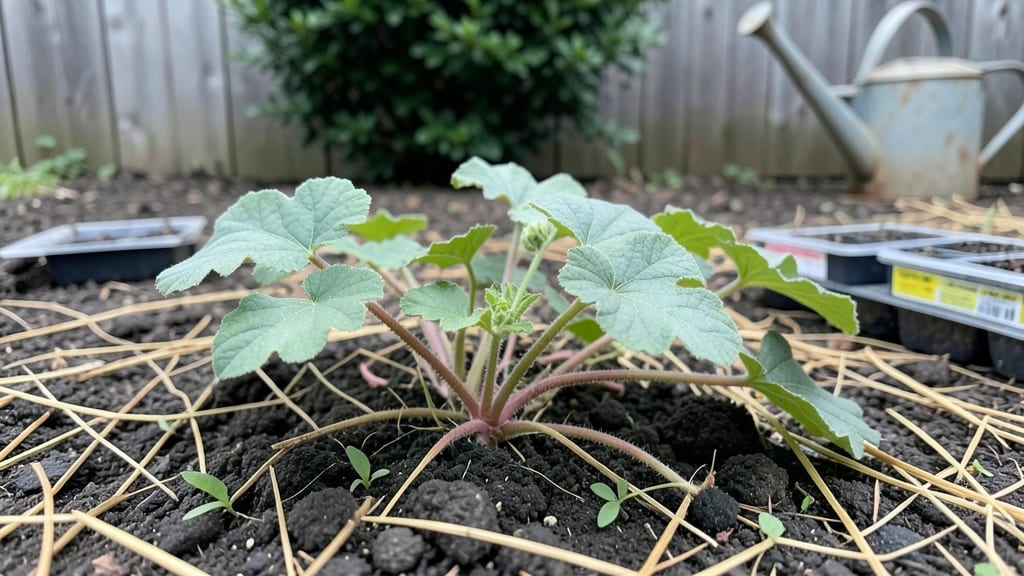
Watermelon seeds to sprout takes between 5 to 10 days under perfect growing conditions—soil temperatures between 70–90°F, steady moisture, and full sunlight—but may stretch to 2–3 weeks in cooler or drier climates. Soaking seeds for 12–24 hours beforehand can shave off 2–3 days from that timeline.
Understanding this timeline helps gardeners plan better. The key factors—like soil warmth and moisture—actually trigger biochemical changes inside the seed. 🌱 For example, cooler temperatures slow down enzymatic activity, which delays the breaking of the seed coat and root emergence.
I’ve noticed that pre-soaking doesn’t just speed things up—it also helps weaker seeds catch up, especially in less-than-ideal conditions.
What’s interesting is how consistent moisture plays a dual role: too little dries out the seed, while too much can suffocate it. That’s why many gardeners use a seed-starting mix designed for fast drainage.
And if you’re planting in spring, waiting until the soil reaches at least 65°F can make all the difference between a 7-day and 2-week wait.
💡 In This Article
- Watermelon Seed Germination Science: Soil Temperature and Moisture Requirements
- Pro Tips for Faster Watermelon Seed Germination in Gardens
Watermelon seed germination science: soil temperature and moisture requirements
Watermelon seeds rely on a precise biochemical process called imbibition to kickstart germination. When soil reaches 70–90°F, enzymes inside the seed activate, breaking down stored starches into sugars that fuel the embryonic root (radicle).
Below 60°F, these enzymes slow dramatically—sometimes by 50%—which is why cooler springs delay sprouting. The seed coat also softens more quickly in warm soil, allowing the radicle to emerge faster.
Moisture triggers this process by hydrating the seed, but too much water creates anaerobic conditions that suffocate the embryo. Ideal moisture levels maintain 40–60% humidity around the seed without waterlogging. Think of it like a sponge: the soil should feel damp but not soggy when squeezed.
In arid conditions, seeds may enter a dormant state, waiting for better hydration—this is why pre-soaking helps jumpstart germination by 2–3 days.
Oxygen plays an equally critical role. Seeds need aerated soil to respire, converting sugars into energy for root growth. Compacted or clay-heavy soils restrict oxygen flow, stalling germination.
That’s why gardeners often mix in perlite or sand to improve aeration. Even a 10% improvement in soil porosity can cut sprouting time by 2–4 days.
Here’s what happens when conditions go wrong: Chilling below 50°F for more than 48 hours can damage cell membranes, while drought stress causes seeds to dehydrate and lose viability. I’ve seen seeds planted in 85°F soil sprout in 5 days versus 18 days in 60°F soil—nearly a 3x difference.
For best results, aim for 75–85°F soil with steady moisture and loose, well-draining soil. This mimics the warm, humid conditions watermelons thrive in naturally. Even a 5°F drop below optimal can add 3–5 days to germination.
Pro tip: Use a soil thermometer to monitor temperature. Watermelon seeds planted in 70°F soil may take 10–14 days to sprout, while 85°F soil can cut that to 5–7 days.
The difference isn’t just about speed—it’s about ensuring the seed’s energy reserves aren’t wasted on struggling to break dormancy. 🌱