
Pests
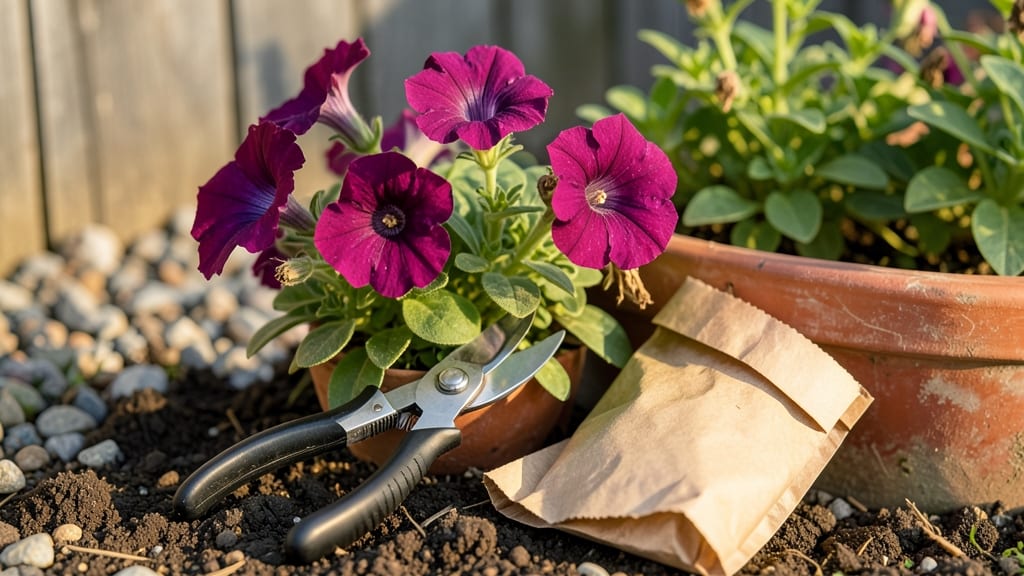
Getting petunia seeds for next year’s garden starts with knowing where to look—because store-bought seeds aren’t your only option. ✨ I’ve saved seeds from my own petunias for three seasons now, and the trick is picking the right varieties, letting flowers mature fully, and handling them gently to preserve viability.
Some gardeners swear by heirloom seed catalogs, while others prefer harvesting from their own plants.
The simplest way is buying from reputable seed suppliers like Baker Creek Heirloom Seeds or Burpee, where you’ll find organic and heirloom options that perform better than big-box store seeds.
But if you want to save from your own plants, wait until flower heads turn brown and papery—then gently open them to collect the tiny seeds inside. Just avoid hybrids unless you’re prepared for unpredictable results.
You’ll end up with vibrant blooms that match your garden’s colors exactly, and the process costs almost nothing compared to buying new seeds every year. Saved seeds keep well in cool, dry places for up to two years, so you’ll always have a backup supply.
The first batch I grew from saved seeds was even more disease-resistant than the original plants.
Works for container gardens, raised beds, or in-ground plantings—just remember that seed-saving takes patience. Start with one or two reliable varieties, and soon you’ll be swapping seeds with neighbors or sharing your own seed packets. Here’s how to do it right the first time.
📚 In This Guide
- What you need
- Instructions
- Tips and common mistakes
- Wrapping up and next steps
What you need
- ● Ready to unlock the magic of petunia seeds? Here’s what you’ll need to gather before diving in—whether you’re a first-timer or a seasoned gardener! 🌱✨
- ● Pro tip: 💡 If your petunias are hybrids (e.g., "Wave" or "Supertunia"), seeds may not grow true to the parent plant—opt for heirloom varieties for consistent blooms!
Step-by-Step guide to harvesting petunia seeds for next season
Here's how to rescue those vibrant petunia blooms and turn them into seeds for your future garden.
🌱 Step 1: Select the Best Flowers for Seed Collection
Choose healthy, fully mature petunia flowers that have completed their bloom cycle. Look for flowers that have wilted naturally but haven't yet fallen off the plant. These are your seed-bearing candidates. Avoid flowers that have been damaged by pests or disease—they won't produce viable seeds.
I like to pick flowers in the late afternoon when they're naturally wilting. This gives me a chance to examine them closely for any signs of trouble. Healthy flowers will have a slightly papery texture at the base where the bloom attaches to the stem. Snip these flowers with clean scissors and place them in a paper bag.
🌿 Step 2: Dry and Extract the Seed Pods
Hang your paper bag of collected flowers in a dry, well-ventilated area for about 7-10 days. The flowers will dry completely, and the seed pods will form inside. You'll know they're ready when the pods turn brown and begin to split open naturally. This process mimics what would happen in nature if the flowers stayed on the plant.
Once the pods are dry, gently squeeze them between your fingers to release the tiny seeds. Petunia seeds are extremely small—almost like dust—so be patient. I find it helpful to lay a piece of white paper underneath the pods to make the seeds more visible against the background. Collect the seeds in a small envelope or jar.
💧 Step 3: Clean and Store the Seeds Properly
Petunia seeds need to be completely dry before storing. Spread them out on a piece of paper or thin cloth and let them sit in a warm, dry place for another 2-3 days. This extra drying time prevents mold from forming during storage. You'll know they're ready when they feel completely dry to the touch and don't stick together.
Store your dried seeds in a small, airtight container like a glass jar or envelope. Place it in a cool, dark place—like your refrigerator's vegetable drawer—to maintain freshness. Label the container with the petunia variety and the date. Properly stored petunia seeds can remain viable for 2-3 years, though they'll lose some vigor over time.
⏰ Step 4: Prepare Seeds for Next Year's Planting
Petunia seeds have a hard outer coating that requires stratification to break dormancy. Mix your seeds with a small amount of moist sand or vermiculite in a sealed container. Store this mixture in your refrigerator for 4-6 weeks. Check occasionally to ensure the medium stays slightly moist but not soggy.
After stratification, your seeds will be ready to plant. Sow them directly into seed-starting mix at a depth of about 1/8 inch. Keep the soil consistently moist and warm (70-75°F) until germination occurs, which typically takes 14-21 days. You'll see tiny green sprouts emerge—this is your reward for the patience!
☀️ Step 5: Grow Strong Seedlings for Transplanting
Once your petunia seedlings have developed 2-3 sets of true leaves (not just the initial seed leaves), they're ready to be transplanted. Harden them off by gradually exposing them to outdoor conditions over 7-10 days. Start with just a few hours of shade and slowly increase their time outside and exposure to sunlight.
Petunias thrive in full sun and well-draining soil. Plant them outdoors after the last frost date, spacing them 12-18 inches apart to allow for proper air circulation. This spacing helps prevent diseases that can plague crowded petunia plants. With proper care, your homegrown petunias will reward you with vibrant blooms just like their parent plants!
Tips & tricks for perfect petunia seed harvesting
Saving petunia seeds takes patience, but these little tricks will help you maximize your yield and ensure those tiny seeds stay viable for next season's garden.
Timing is Everything: In Step 1, I can't stress enough how important it is to pick flowers in the late afternoon when they're naturally wilting. This is when the seed pods are most likely to form properly. I've learned the hard way that picking too early can result in empty pods, while waiting too long means the flowers fall off before seeds develop. That papery texture at the base is your golden ticket—it signals the flower is ready for seed collection.
Drying Strategy: During Step 2, resist the urge to rush the 7-10 day drying period. The pods need this time to fully mature and split open naturally. I've tried speeding up the process with a hairdryer, but it often leads to brittle pods that crumble instead of releasing seeds. Place your paper bag in a spot with good airflow—like near an open window—but keep it away from direct sunlight, which can cause the pods to dry too quickly and become unmanageable.
Seed Collection Hack: When you reach Step 2 and need to extract those microscopic seeds, lay a sheet of white paper underneath your work area. The contrast makes those almost-invisible seeds stand out dramatically. I've used black paper before, thinking it would help, but it made the seeds nearly impossible to see. Also, consider using a small paintbrush to gently sweep up seeds that might have scattered—every little seed counts when you're working with such tiny quantities!
Stratification Success: In Step 4, the 4-6 week stratification period is crucial for breaking the seed coat's dormancy. I've found that using a small plastic container with a tight-fitting lid works perfectly for this process. Place a small piece of moist paper towel in the bottom to maintain humidity, then add your seeds mixed with sand or vermiculite. Check weekly to ensure the medium stays slightly damp—never soggy. This is where many gardeners fail, leading to poor germination rates.
Pro Tips for Get Petunia Seeds
- Saving petunia seeds takes patience, but these little tricks will help you maximize your yield and ensure those tiny seeds stay viable for next season's garden.
- Timing is Everything: In Step 1, I can't stress enough how important it is to pick flowers in the late afternoon when they're naturally wilting.
- Drying Strategy: During Step 2, resist the urge to rush the 7-10 day drying period.
Frequently asked questions
Got questions about saving petunia seeds?
You’re not alone! Here are answers to the most common queries to help you master the process like a pro.
How do I know when petunia seeds are ready to harvest?
Petunia seeds mature inside the seed pods (those little green bulbs) after the flowers fade. Wait until the pods turn brown and dry out—usually 4-6 weeks after flowering. Gently squeeze them; if they crumble easily, it’s time to collect! Avoid harvesting if pods are still green or moist, as seeds won’t be viable.
Can I save petunia seeds from store-bought flowers?
Yes, but with a catch! Store-bought petunias are often hybrids, meaning their seeds may not grow true to the parent plant. For consistent results, save seeds from heirloom or open-pollinated varieties (check seed packets). If you’re experimenting, try it anyway—you might discover a fun surprise!
What’s the best way to dry and store petunia seeds?
Spread seeds on a paper towel in a warm, dry place (like a sunny windowsill) for 1-2 weeks to dry completely. Once dry, store them in a cool, dark spot (e.g., a sealed envelope or jar) with a damp paper towel to maintain moisture. Label them with the variety and date—seeds stay viable for 2-3 years if stored properly!
Why aren’t my petunia flowers producing seeds?
Petunias need pollination to form seeds. If you’re growing them indoors or in a greenhouse, hand-pollinate by gently transferring pollen from one flower to another using a soft brush or cotton swab. Outdoor plants usually attract bees, but bad weather or pests (like aphids) can interfere. Try deadheading spent blooms to encourage more flowers—and seeds!
What if my petunia seeds don’t germinate?
Don’t worry—seeds need light and warmth to sprout. Try these fixes:
- Keep soil moist but not soggy (use a spray bottle).
- Place trays in a warm spot (70°F+) or use a heat mat.
- Scarify seeds lightly with sandpaper if they’re hard-coated.
- Be patient! Germination can take 2-4 weeks.
Wrapping up and next steps
Growing petunias from saved seeds is a rewarding way to preserve your favorite varieties and enjoy vibrant blooms year after year!
By selecting healthy plants, harvesting seeds properly, and storing them correctly, you’ll be ready to kickstart your next garden with confidence. Now that you’re armed with these seed-saving secrets, why not plan your next planting session? Grab your notebook, sketch your dream garden layout, and prepare for a burst of color that’s uniquely yours! 🌸