Picking
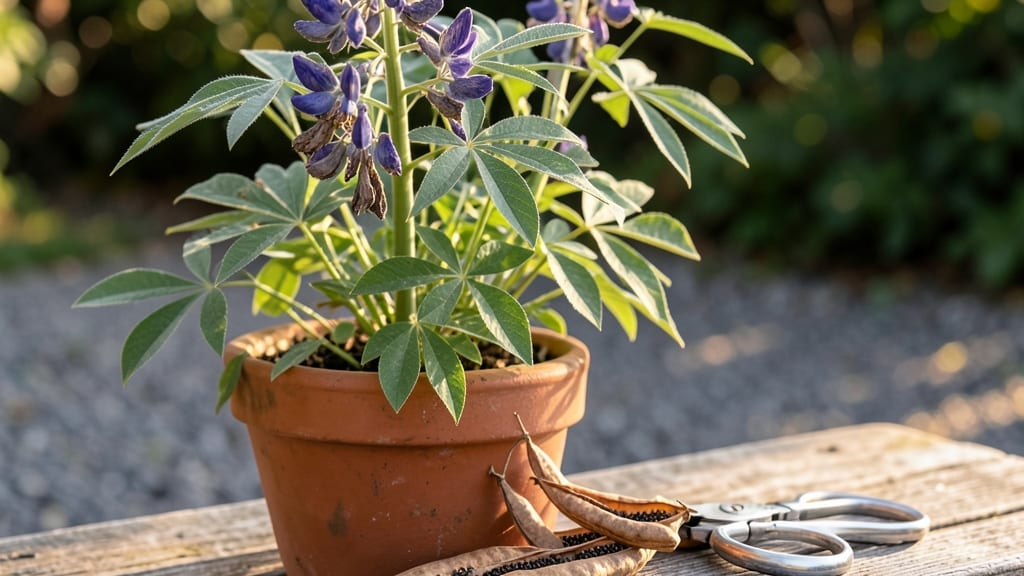
To harvest lupine seeds, cut pods when they turn brown and papery, then dry them in a well-ventilated space before threshing to release the seeds. Always gather them quickly to avoid wind or wildlife scattering them.
Timing is everything with lupine seed harvesting—wait too long, and the pods split open naturally, releasing seeds to the wind. 🌾 I recommend harvesting on dry mornings when humidity is low, as damp conditions can encourage mold.
Once collected, spread pods on screens or mesh bags in a shaded, breezy spot for 2-3 weeks until completely dry and brittle. This method preserves seed viability while preventing spoilage.
Proper storage extends shelf life dramatically. After threshing, store seeds in airtight containers with silica gel packets to absorb moisture, then refrigerate for up to 2 years. The key is maintaining consistent dryness—even slight dampness can trigger mold growth.
For gardeners, this means planning ahead: harvest early in the season to maximize storage potential before winter.
💡 In This Article
- Identifying Lupine Seed Pods for Optimal Harvest Timing
- Proper Lupine Seed Drying and Storage Techniques
Identifying lupine seed pods for optimal harvest timing
Lupine seed pods reach maturity through a distinct transformation from green to brown, accompanied by a noticeable texture change. Initially, pods appear vibrant green and firm, but as they ripen, they develop a papery, dry feel and turn a uniform tan or light brown color.
The key visual cue is when the pod's surface loses its glossy sheen and becomes slightly translucent when held up to light—this indicates the seeds inside have fully developed and are ready for harvest. 🌿
Temperature and humidity create critical windows for harvesting. Lupines thrive in 60-75°F conditions, and pods mature fastest when daytime temperatures hover around 70°F with low humidity (40% or below). In humid climates, pods may develop mold before reaching full maturity, while dry heat can cause premature splitting.
Listen for a faint crinkling sound when pods are squeezed gently—this confirms their brittle readiness. Harvesting too early means underdeveloped seeds, while waiting too long risks natural dispersal by wind or wildlife.
Timing matters because lupine seeds have a limited viability window once pods open. Seeds left in mature pods for more than 48 hours after turning brown begin losing germination rates, dropping from 90% viability to as low as 40% within a week.
The ideal harvest window is when 70-80% of pods have turned brown but remain intact. This balance ensures maximum yield while preserving seed quality. 🌱
Environmental factors like rainfall and wind speed also influence timing. After a heavy rain, pods may swell and appear falsely mature—always wait 24-48 hours post-rain to verify true ripeness. Strong winds can cause premature pod splitting, so harvest during calm mornings.
In coastal regions, salt spray may accelerate pod drying, requiring earlier harvesting than inland areas. Pay attention to local weather patterns to adjust your timing accordingly.
Here's what to watch for in the field:
- Color shift: From bright green to uniform tan/brown (never black or moldy)
- Texture: Dry, papery, and easily crushed between fingers
- Sound: Crinkling when gently squeezed (like dried leaves)
- Seed visibility: Dark seeds visible through translucent pod walls
Pro tip: Harvest a few pods early to test seed development. Split one open—if seeds are dark and plump with minimal white "belly spots," you're ready.
If seeds appear shriveled or still green, wait 3-5 days and check again. Precision in this step directly impacts your final seed yield and quality. 🌟