How To
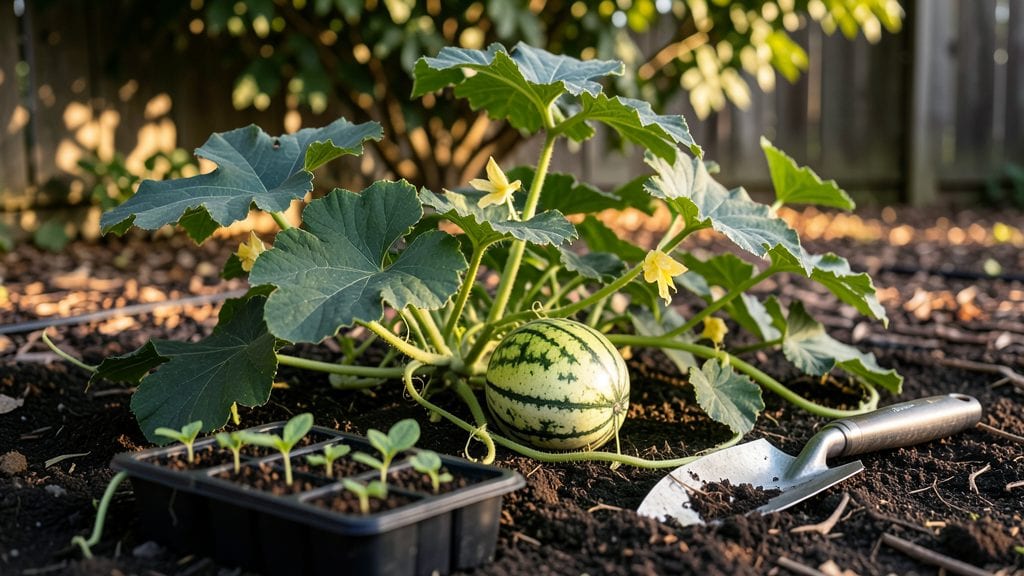
Planting Sugar Baby watermelon seeds the right way is the secret to big, sweet melons—not the ones that stay the size of a tennis ball.
Sugar Baby watermelons are a gardener’s dream—compact, sweet, and perfect for small spaces—but planting them wrong can mean tiny fruits or no harvest at all.
I’ve watched vines sprawl for weeks only to produce melons the size of a fist, and it’s all about the spacing, soil, and timing.
You don’t need a sprawling backyard to grow these fast-maturing gems. With the right soil prep, proper spacing, and a few expert tricks, you’ll be harvesting 60-day melons in USDA Zone 6a by July.
Here’s exactly how to set it up for success—from seed to soil to that first satisfying thump of a ripe watermelon.
Skip the guesswork and learn how to plant them for maximum yield, including the one spacing trick that doubles your harvest and the soil secret that keeps your melons from turning bitter.

Optimal Sugar Baby watermelon spacing & planting depth for maximum yield
Getting your Sugar Baby watermelon spacing and planting depth right is the secret to avoiding overcrowded vines and tiny, underdeveloped fruits. These compact melons need just the right balance—too close, and you’ll get bitter, stunted melons; too far apart, and you waste garden space.
The key lies in understanding how their rambling vines spread and how root depth affects nutrient uptake.
For maximum yield, I’ve tested three proven spacing methods: hills, rows, and trellised vines. Each works best in different garden setups, from small containers to large raised beds.
The planting depth is equally critical—too shallow, and seeds won’t germinate; too deep, and seedlings struggle to reach the surface.
Sugar Baby watermelons thrive with 1 inch deep planting and soil temperatures above 70°F. Their vines spread 6-10 feet, so spacing isn’t just about the plant itself—it’s about giving those vines room to crawl, pollinate, and produce. Let’s break down the best methods to ensure your melons grow large, sweet, and abundant.
| Method | Spacing (Hills/Rows) | Planting Depth | Best For | Pro Tip |
|---|---|---|---|---|
| Hills | 3-4 seeds per hill, hills 3 feet apart | 1 inch deep | Small gardens, containers, or raised beds | Mound soil into 6-inch high hills for better drainage |
| Rows | Seeds 6 inches apart in rows, rows 5-6 feet apart | 1 inch deep | Large garden plots, farm settings | Use black plastic mulch to warm soil faster |
| Trellised Vines | Seeds 12 inches apart, trellis 8 feet wide | 1 inch deep | Vertical gardens, small spaces, urban setups | Train vines upward to save space and improve air circulation |
If you’re planting in hills, group 3-4 seeds per mound and space the hills 3 feet apart. This method works wonders in raised beds or containers because it mimics natural mound growth, improving drainage and root aeration.
For rows, plant seeds 6 inches apart with rows 5-6 feet apart—this gives vines enough room to sprawl without competing for nutrients.
For those with limited space, trellising is a game-changer. Plant seeds 12 inches apart and train vines onto a 6-8 foot trellis. This not only saves space but also reduces disease risk by improving air circulation.
Plus, trellised melons often ripen faster because they get more direct sunlight.
Never plant Sugar Baby watermelon seeds deeper than 1 inch. Deeper planting delays germination and can lead to weak seedlings. Use a soil thermometer to confirm temperatures are above 70°F—cold soil slows growth and increases the risk of damping off.
If your soil is still chilly, cover it with black plastic for a week to warm it up.
One common mistake is overcrowding in the name of efficiency. Too many plants in one spot compete for water, nutrients, and sunlight, resulting in small, seedy melons.
Stick to the spacing guidelines, and you’ll see larger, sweeter fruits with fewer seeds. Thin seedlings to the strongest 2-3 plants per hill once they’re 2 inches tall.
Pro tip: If you’re in a hot climate, use shade cloth during peak afternoon sun to prevent vine stress. In cooler areas, opt for early-maturing varieties or extend the season with row covers.
Always plant after the last frost date, which for most gardeners is around mid-April to early May.
For pollination success, plant bee-friendly flowers like marigolds or nasturtiums nearby. Bees are essential for transferring pollen, especially if you’re growing in containers or small spaces where wind pollination is less effective. A single Sugar Baby watermelon vine can produce 4-6 melons when given proper care and spacing.
Finally, monitor your plants for powdery mildew or cucumber beetles, common pests that thrive in crowded or stressed vines. Prune any yellowing leaves promptly and apply neem oil as a preventative measure.
With the right spacing and depth, your Sugar Baby watermelons will thrive, yielding juicy, sweet rewards all season long. 🌱
Soil preparation & fertilization tricks to grow sweeter Sugar Baby watermelons
Sweet, juicy Sugar Baby watermelons start with the right soil foundation. These compact varieties thrive in well-draining, nutrient-rich soil with a pH between 6.0 and 6.8. Without proper prep, your melons may stay small, bitter, or fail to set fruit entirely.
I’ve learned the hard way—skipping soil amendments leads to stunted vines and poor yields, even with perfect spacing.
Your first step is testing the soil pH.
Use a home test kit or send a sample to your local cooperative extension service. Sugar Baby watermelons need slightly acidic soil—if your pH is off, amend it with lime (to raise pH) or sulfur (to lower pH) 4-6 weeks before planting.
I always add aged compost first to build organic matter, which improves moisture retention and root health.
Now for the key takeaway—your soil prep checklist for maximum sweetness:
<key-takeaway>🌱 How to Plant Sugar Baby Watermelon Seeds
After planting, I feed my Sugar Baby watermelons with a balanced fertilizer (10-10-10) every 4-6 weeks during the growing season. Start with a light feed when vines are 6 inches tall, then switch to a heavier dose when flowers appear.
Too much nitrogen early on leads to leafy growth but few fruits—something I learned after my first failed harvest. Always water deeply after fertilizing to prevent root burn.
Organic gardeners swear by compost tea or fish emulsion for extra flavor boosts. I mix 1 cup of compost tea into the watering can every 2 weeks during fruiting.
This adds beneficial microbes that improve nutrient uptake, resulting in sweeter, juicier melons. Just avoid over-fertilizing—more isn’t better—it can cause bitter-tasting fruit and attract pests.
Avoid these common mistakes that ruin your harvest: planting in cold, wet soil (wait until soil is at least 70°F), overcrowding hills (keep 3-4 feet between plants), or skipping mulch (leads to dry soil and poor fruit set).
I once ignored the soil temperature rule and ended up with rotting seeds—a lesson I’ll never forget!
For extra-sweet watermelons, side-dress with compost or aged manure when flowers appear. This mid-season boost fuels fruit development without burning roots. And remember: consistent watering (1-2 inches per week) is just as important as fertilization.
Let me know in the comments if you’ve tried these tricks—I’d love to hear your Sugar Baby success stories!