
Lawn
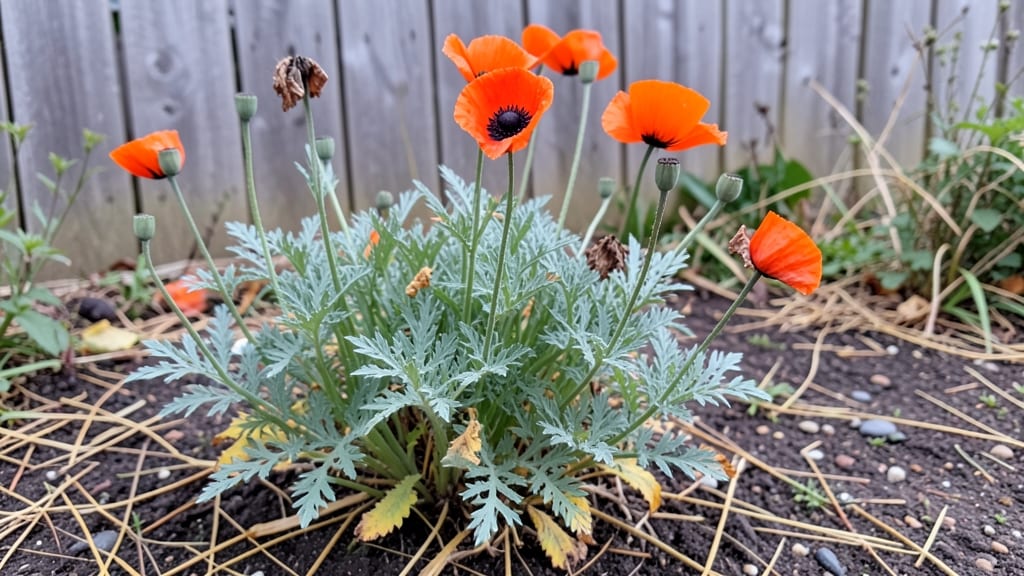
Growing Hungarian poppy seeds creates a stunning, low-maintenance privacy screen that blooms from spring to fall. 🌻 I planted mine last April, and by next summer, they'll form a vibrant, rustling barrier that outshines any fence—plus, they self-seed for years of effortless beauty.
The secret lies in their fast growth and drought tolerance, making them perfect for sunny spots where nothing else thrives.
You'll need well-draining soil, full sun (at least 6 hours daily), and patience for the first year while roots establish. The seeds germinate best when sown directly in spring after the last frost, about ¼ inch deep and 12 inches apart.
Water lightly until sprouts appear, then let nature take over—these poppies hate soggy soil and overwatering.
By year three, you'll have a 3- to 4-foot-tall wall of delicate orange and red blooms that sway in the breeze. The foliage stays lush even in summer heat, and the flowers attract pollinators while repelling deer.
Best of all? They're hardy in zones 3-9, so whether you're in a cold climate or a hot one, they'll thrive with minimal care.
Fair warning: they spread aggressively—plan for containment if you don't want them taking over. But if you embrace their wild charm, you'll get a privacy screen that's easier to maintain than any hedge. Ready to transform that bare spot into a living masterpiece?
📚 In This Guide
- What you need
- Instructions
- Tips and common mistakes
- Wrapping up and next steps
What you need
- ● Hungarian poppy seeds (Papaver somniferum 'Hungarian Blue') – 1 lb (450g) per 100 sq ft (or follow packet instructions). Choose high-quality, organic seeds for best results.
- ● Well-draining soil – A mix of 60% topsoil, 30% compost, and 10% perlite/sand works best. Hungarian poppies hate soggy roots!
- ● Sunlight access – A full-sun location (6+ hours of direct sunlight daily). Partial shade may slow growth.
- ● Watering can or hose with a gentle spray nozzle – Poppy seeds need consistent moisture (not soggy) until established.
- ○ Mulch (optional but recommended) – 2-3 inches of straw or wood chips to retain moisture and suppress weeds.
- ● Garden trowel or transplanter – For digging small holes (if direct sowing).
- ● Rake – To loosen soil before planting.
- ● Planting grid or measuring tape – For spacing seeds 12-18 inches apart in rows.
- ● Garden gloves – To protect your hands (poppy sap can be irritating!).
- ○ Fertilizer (low-nitrogen, balanced 5-5-5) – 1 tbsp per plant at planting time (optional but helps in poor soil).
- ● Seedling trays (if starting indoors) – For early spring starts (6-8 weeks before last frost).
- ● Row covers or shade cloth – To protect young seedlings from pests or harsh sun.
- ● Pruning shears – For shaping mature plants into a neat hedge.
- ● Soil test kit – To check pH (ideal range: 6.0-7.5).
Step-by-Step instructions for planting Hungarian poppy seeds
Here's how to grow a lush, year-round privacy screen with these stunning, low-maintenance perennials.
🌱 Step 1: Prepare the Soil for Fast Germination
Hungarian poppies thrive in well-draining soil, so till the planting area to a depth of 12 inches to loosen compacted earth. Work in 2-3 inches of compost to enrich the soil—these plants love organic matter but won’t tolerate soggy roots. The ideal soil pH for Hungarian poppies is slightly acidic to neutral, between 6.0 and 7.0.
Rake the area smooth to create a level surface. Poppy seeds germinate best in 60-70°F soil, so if planting in early spring or fall, wait until the ground warms up. You’ll know it’s ready when a handful of soil crumbles easily between your fingers.
🌿 Step 2: Sow Seeds at the Right Depth and Spacing
Scatter the seeds thinly across the prepared area, aiming for 12-18 inches apart in all directions. Press them lightly into the soil—just enough to cover them with ¼ inch of soil. Don’t bury them too deep; they need light to trigger germination. I like to use a small rake to gently sweep soil over the seeds after planting.
Water the area lightly with a fine mist to keep the soil moist but not waterlogged. Poppy seeds germinate best when kept consistently damp, so aim for 1 inch of water per week until the seedlings appear. You’ll see the first sprouts in 10-21 days, depending on soil temperature and moisture.
☀️ Step 3: Provide Sunlight and Monitor Growth
Hungarian poppies love full sun, so choose a location that receives at least 6-8 hours of direct sunlight daily. If planting in a partially shaded area, expect slower growth and fewer blooms. After germination, reduce watering to 1 inch per week, allowing the top inch of soil to dry out between waterings.
Thin seedlings to 12 inches apart once they reach 2-3 inches tall. This ensures each plant has enough space to develop strong roots and vibrant foliage. You’ll notice the first true leaves appear within 3-4 weeks—these are your cue to start thinning and fertilizing lightly with a balanced, slow-release fertilizer.
✂️ Step 4: Prune and Maintain for a Full Privacy Screen
In early spring, trim back any dead or damaged growth to encourage new, healthy foliage. Hungarian poppies grow 3-5 feet tall and wide, so prune lightly after flowering to maintain shape and density. Cut back stems by one-third to promote bushier growth and more abundant blooms the following year.
Mulch around the base of the plants with 2-3 inches of organic mulch to retain moisture and suppress weeds. This is especially important during the first growing season, as young plants compete with weeds for nutrients. Water deeply once a week during dry spells, but avoid overwatering—poppies are drought-tolerant once established.
🌱 Step 5: Enjoy Year-Round Privacy in 3 Years
With consistent care, your Hungarian poppy screen will reach maturity in 3 years, providing a dense, year-round privacy barrier. These plants are cold-hardy and evergreen in mild climates, so they’ll retain their lush foliage even in winter. Deadhead spent blooms in late summer to encourage more flowers and keep the plant looking tidy.
By year three, you’ll have a stunning, low-maintenance hedge that requires minimal pruning and thrives with seasonal care. The vibrant foliage and delicate blooms will make your privacy screen as beautiful as it is functional—no fence or lattice needed!
Tips & tricks for perfect Hungarian poppy seed planting
Transforming your backyard into a lush privacy screen is easier than you think—these game-changing tips will help you grow a stunning Hungarian poppy hedge that thrives for years! Here's what nobody tells you about getting it right the first time.
The Soil Temperature Secret: That 60-70°F soil temperature range in Step 1 is non-negotiable for germination! If you're planting in spring, wait until the ground reaches at least 65°F before sowing—cold soil will delay sprouting by weeks. I've seen seeds take 30 days to germinate in cool 55°F soil, while warm 70°F soil brings sprouts in just 10 days. Use a soil thermometer if you're unsure—it's worth the investment for consistent results.
Seed Spacing Hack: The 12-18 inch spacing in Step 2 might seem generous, but trust me—this is where the magic happens. When plants reach maturity at 3-5 feet tall, they'll fill that space beautifully without competing for nutrients. Pro tip: Use a simple string and stakes to mark your planting lines before scattering seeds. This ensures perfect spacing right from the start and prevents overcrowding headaches later.
Watering Wisdom: Those first 10-21 days after planting are critical! While the instructions call for 1 inch of water per week, I've found that morning watering (before 10am) prevents fungal issues better than evening watering. Use a rain gauge or tuna can to measure your water—eyeballing often leads to either soggy soil or underwatering. Once seedlings appear, let the top inch of soil dry between waterings to encourage strong root development.
Pruning Payoff: The one-third pruning cut in Step 4 isn't just about shape—it's about stimulating bushier growth. Always prune just above a leaf node (the bump where leaves grow) to encourage new shoots. I prune my poppies right after the first flush of blooms in early summer, which gives them time to develop new growth before winter. This simple technique can double your plant's density over time!
Pro Tips for Hungarian Poppy Seed
- Transforming your backyard into a lush privacy screen is easier than you think—these game-changing tips will help you grow a stunning Hungarian poppy hedge that thrives for years!
- The Soil Temperature Secret: That 60-70°F soil temperature range in Step 1 is non-negotiable for germination!
- Seed Spacing Hack: The 12-18 inch spacing in Step 2 might seem generous, but trust me—this is where the magic happens.
Frequently asked questions
Got questions about growing Hungarian poppy seeds for your privacy screen? Here are some of the most common ones—plus quick answers to help you get started with confidence!
How long does it take for Hungarian poppy seeds to grow into a privacy screen?
With proper care, Hungarian poppies (Papaver somniferum) can create a lush, 6- to 8-foot-tall privacy screen in 3 to 4 years. Fast-growing varieties or strategic pruning can speed up the process slightly, but patience is key—these beauties reward consistency with stunning blooms and dense foliage!
When is the best time to plant Hungarian poppy seeds?
The ideal planting window is late spring to early summer (after the last frost) or early fall (6-8 weeks before the first frost). Poppy seeds thrive in warm soil (60°F+), so avoid planting in cold, wet conditions. For year-round growth, stagger plantings in spring and fall for continuous coverage.
Can I grow Hungarian poppies from seed in containers or just in the ground?
Yes! While they’re often planted directly in the ground for privacy screens, Hungarian poppies do well in large containers (at least 12 inches deep) with well-draining soil. Just ensure the pot has drainage holes and is placed in full sun. Containers limit root spread, so expect slightly slower growth compared to in-ground planting.
Are Hungarian poppies invasive or harmful to bees?
No—they’re not invasive (unlike some fast-spreading plants) and are bee-friendly! Their vibrant blooms attract pollinators, making them a great addition to pollinator gardens. However, they do self-seed, so deadhead spent flowers if you want to control spread. Always choose organic, non-GMO seeds to support local ecosystems.
What should I do if my Hungarian poppy seeds aren’t germinating?
If seeds aren’t sprouting within 10–14 days, try these fixes:
- Check soil moisture: Keep soil consistently moist (not soggy) during germination.
- Verify sunlight: Poppies need full sun (6+ hours/day)—move pots or adjust shade if needed.
- Test seed viability: Soak seeds in warm water for 24 hours; if they sink, they’re likely viable.
- Adjust temperature: Germination stalls below 50°F—use a heat mat if planting early.
Wrapping up and next steps
Hungarian poppy seeds (Papaver somniferum) offer a stunning, low-maintenance way to transform your yard into a lush, year-round privacy screen—and in just three years! 🌱 Whether you're drawn to their vibrant blooms, fast growth, or hardy nature, these seeds are a game-changer for any lawn or garden.
With the right prep, planting, and care, you’ll enjoy a thriving hedge that thrives in various climates.
Ready to get started? Grab your seeds, mark your calendar, and begin planting this fall or spring! Your future privacy oasis is just a few seeds away—happy growing! 🌿