
Propagation
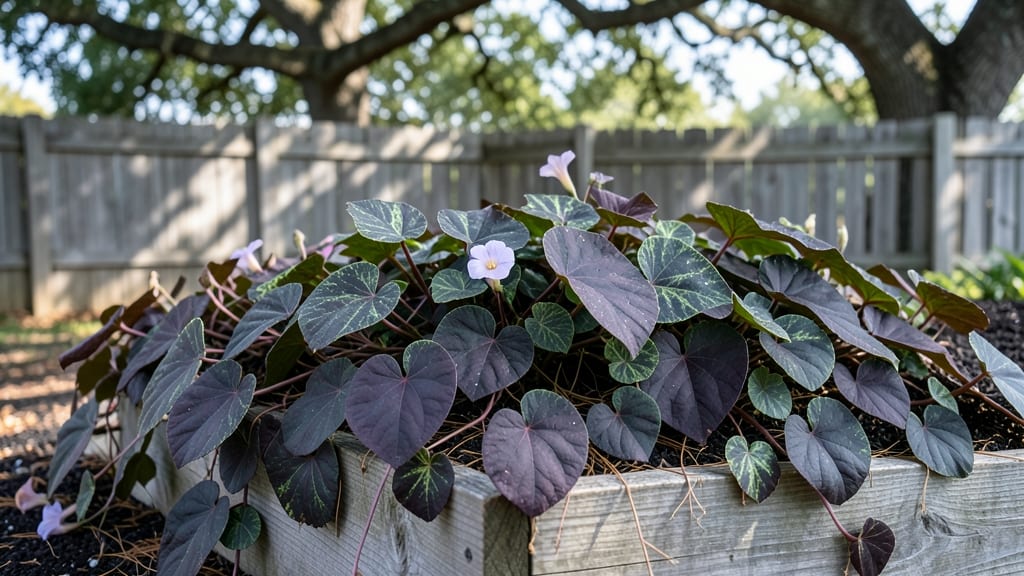
Growing Ipomoea lobata seeds gives you fast-growing, drought-proof vines that outperform any privacy screen plant I’ve ever tried. These aren’t just pretty—they’re tough, spreading 10-15 feet in a single season while thriving on neglect.
The key is starting them right, and I’ll show you exactly how to turn those tiny seeds into a lush, green curtain that’s impossible to ignore. 🌿
You only need a few things to get started: some well-draining soil mix, a sunny spot (at least 6 hours of direct light), and a little patience—though the growth speed will surprise you.
These vines love heat and hate soggy roots, so planting in well-draining containers or directly in the ground with compost works best. Once established, they’ll handle drought like a champ, making them perfect for hot, dry climates or forgetful gardeners.
By midsummer, you’ll have a thick, leafy wall that blocks noise, filters wind, and even produces edible shoots for salads. The vines are non-invasive (unlike some aggressive runners) and can be trained up trellises or let sprawl naturally.
Best of all? They bloom with delicate white flowers that hummingbirds adore. The only challenge is keeping them contained if you don’t prune occasionally—but that’s a small trade-off for such a versatile plant.
Whether you’re hiding an ugly fence, creating a cozy patio nook, or just experimenting with edible landscaping, Ipomoea lobata delivers fast results with minimal fuss. Let’s get those seeds sprouting so you can enjoy your privacy screen in record time!
📚 In This Guide
- What you need
- Instructions
- Tips and common mistakes
- Wrapping up and next steps
What you need
- ● Ipomea lobata seeds: 50–100 seeds (adjust based on desired coverage; spacing ~12–18 inches apart). Organic, non-GMO seeds are ideal!
- ● Well-draining potting mix: 2–3 cubic feet (for indoor starts) or garden soil amended with compost (for direct sowing). Avoid heavy clay!
- ○ Containers (optional for indoor starts): 4–6 inch pots (biodegradable pots work great!).
- ● Garden space: Full sun (6+ hours/day) and a trellis, fence, or sturdy structure (8–10 feet tall) for vining.
- ● Watering can or hose: With a gentle spray nozzle for seedlings.
- ● Mulch: Straw or wood chips (2–3 inches thick) to retain moisture and suppress weeds.
- ● Gloves: To protect hands from seed coatings or soil.
- ● Trowel or small shovel: For transplanting seedlings or digging holes.
- ● String or twine: To secure vines to the trellis during early growth.
- ○ Fertilizer (optional): Balanced organic fertilizer (10-10-10) or compost tea for nutrient boosts.
- ○ pH test kit (optional): To ensure soil pH is 6.0–7.0 (ideal for Ipomea lobata).
- ● Patience! 😉 These vines grow fast—up to 10 feet in a season—but need consistent care.
Step-by-Step instructions for growing Ipomea lobata seeds
Here’s how to grow these drought-resistant vines into a lush privacy screen in record time!
🌱 Step 1: Start Seeds Indoors for a Head Start
Ipomea lobata seeds germinate best when started indoors 4-6 weeks before your last frost date. Fill 4-inch biodegradable pots with sterile seed-starting mix (not garden soil) and moisten it until damp but not soggy. Press the mix down lightly to create a firm surface—this helps seeds make good contact with the soil.
Place 1-2 seeds per pot just below the soil surface (¼ inch deep) since they need light to germinate. Cover the pots with plastic wrap or a humidity dome to retain warmth and moisture. Keep them in a warm spot (70-75°F)—a sunny windowsill or under a grow light. You’ll see sprouts in 7-14 days—watch for tiny green shoots pushing through the soil!
☀️ Step 2: Harden Off Seedlings Before Transplanting
Once seedlings have 2-3 sets of true leaves, it’s time to harden them off. Start by moving them outside for 1-2 hours in a sheltered spot, gradually increasing their time outdoors over 7-10 days. This prepares them for the heat and wind they’ll face once planted.
Ipomea lobata thrives in full sun (6+ hours daily), so choose a location with plenty of light. If your climate is still cool, wait until nighttime temperatures stay above 55°F—these vines love warmth and won’t tolerate frost. You’ll know they’re ready when they’re sturdy and vibrant, not leggy or pale.
🪴 Step 3: Plant Seedlings Along Your Privacy Screen
Dig holes 12-18 inches deep and 12-18 inches apart—Ipomea lobata grows fast and needs space to spread. Mix a handful of compost into the planting hole to give your vines a nutrient boost. Gently remove the seedling from its pot, loosen the roots if they’re tangled, and place it in the hole at the same depth it was growing indoors.
Backfill with soil, firm it lightly around the base, and water deeply to settle everything. These vines are drought-tolerant once established, but give them a good soak after planting to help roots take hold. Mulch around the base with 2-3 inches of organic mulch to retain moisture and suppress weeds.
💧 Step 4: Water Deeply and Train the Vines
Water 1-2 times per week once established, but let the soil dry out between waterings—Ipomea lobata hates soggy roots. As the vines grow, they’ll need support to climb. Install a trellis, fence, or sturdy wire mesh along your privacy screen and gently weave the vines through as they grow. You’ll see rapid growth in 4-6 weeks—these vines can reach 10-15 feet in a single season!
Prune lightly to encourage bushier growth, but avoid cutting back too much—Ipomea lobata thrives when left to sprawl. Watch for white flowers in summer, followed by edible tubers (if you’re growing the sweet potato variety). If you’re using it purely for privacy, let it climb wild—it’ll fill in fast and create a dense, drought-resistant screen.
Tips & tricks for growing Ipomea lobata seeds
These game-changing tips will help you grow Ipomea Lobata into a lush, drought-resistant privacy screen in record time—without the common pitfalls!
Seed Starting Secret: The 70-75°F warmth in Step 1 is critical for germination! Place your pots on top of your fridge or near a sunny window to maintain consistent heat. I learned this the hard way—cold windowsills can delay sprouting for weeks. Use a small heat mat if your home stays cooler than 70°F.
Harden Off Gradually: In Step 2, those 1-2 hours outside should feel like a gentle introduction. Start in a sheltered spot like a porch or under a tree to protect from harsh winds. I've seen seedlings shocked by sudden sun exposure—gradual acclimation prevents leaf burn and keeps them sturdy for transplanting.
Planting Depth Matters: When planting in Step 3, those 12-18 inches deep holes might seem deep, but Ipomea Lobata's tubers need room to grow! If your soil is rocky, amend with compost to create a looser planting environment. The 2-3 inches of mulch isn't just decorative—it locks in moisture and keeps roots cool during summer heatwaves.
Fast Growth Hack: The 4-6 week growth spurt in Step 4 happens fastest when you train vines immediately. Weave them through trellises every 2-3 days as they grow—this creates a dense screen twice as fast as letting them sprawl randomly. I've seen vines reach 10 feet in just 8 weeks with this method!
Pro Tips for Ipomea Lobata Seeds
- These game-changing tips will help you grow Ipomea Lobata into a lush, drought-resistant privacy screen in record time—without the common pitfalls!
- Seed Starting Secret: The 70-75°F warmth in Step 1 is critical for germination!
- Harden Off Gradually: In Step 2, those 1-2 hours outside should feel like a gentle introduction.
Frequently asked questions
Got questions about growing Ipomoea lobata seeds?
You’re not alone! Here are answers to the most common queries to help you grow a thriving drought-resistant privacy screen with ease.
How long does it take for Ipomoea lobata seeds to germinate?
Ipomoea lobata seeds typically germinate within 10–21 days when kept in warm (70–85°F), moist soil. For faster results, soak seeds in warm water for 24 hours before planting. Patience is key—slow germination is normal! Pro tip: Use a heat mat if your climate is cool.
When is the best time to plant Ipomea lobata seeds outdoors?
Plant seeds after the last frost when soil temperatures reach at least 60°F (spring or early summer). In warmer climates, you can start as early as February for a head start. Avoid planting in fall—these vines thrive in heat and won’t survive winter frosts.
Can I grow Ipomeea lobata from cuttings instead of seeds?
Yes! Ipomoea lobata propagates easily from stem cuttings (4–6 inches long) taken in spring or early summer. Dip the cut end in rooting hormone, plant in moist soil, and keep humid until roots form (2–4 weeks). Cuttings often grow faster than seeds and maintain the parent plant’s vigor.
Why aren’t my Ipomeea lobata seeds sprouting? Troubleshooting tips.
Check these common issues:
- Too cold: Seeds need warmth—move to a sunny windowsill or use a seedling heat mat.
- Dry soil: Keep soil consistently moist (not soggy) during germination.
- Old seeds: Store-bought seeds lose viability after 1–2 years; test a few first.
- Low light: Place trays near a bright window or under grow lights.
Is Ipomeea lobata invasive? Should I be concerned?
Ipomoea lobata is not considered invasive in most regions, but it can spread aggressively in warm, humid climates. To control growth:
- Prune vines regularly to limit spread.
- Avoid planting near water sources.
- Check local regulations—some areas classify it as a noxious weed.
Wrapping up and next steps
Growing Ipomoea lobata seeds is a fantastic way to create a lush, drought-resistant privacy screen that thrives with minimal effort! 🌱 These fast-growing vines offer both beauty and practicality, making them a top choice for eco-conscious gardeners.
Whether you're a beginner or a seasoned plant enthusiast, their resilience and rapid growth will reward your efforts.
Ready to transform your space? Start by gathering your supplies, following the planting steps, and watch your Ipomoea lobata vines flourish in no time! Happy gardening! 🌿