
Size
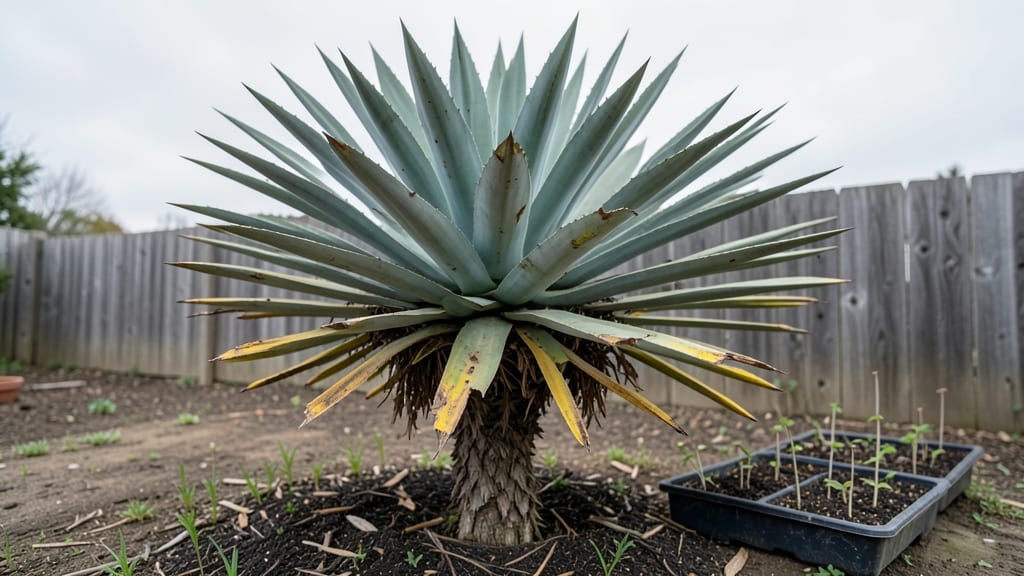
Growing Joshua tree seeds from scratch is a slow-burning triumph for desert gardeners. 🌵 The process demands patience—these tiny seeds need warmth, moisture, and just the right conditions to break their dormancy—but the reward is a striking, drought-loved plant that anchors any arid landscape.
I’ve nursed dozens from seed, and the key is mimicking the Mojave’s natural rhythm: heat by day, cool nights, and minimal interference.
The biggest hurdle isn’t the seeds themselves—it’s recreating their native environment. You’ll need a shallow tray with cactus soil mix, bottom heat (around 75°F), and a spray bottle to keep moisture consistent without drowning them.
Most seeds take 4-8 weeks to germinate, and even then, they grow at a snail’s pace. But once they sprout, those first needle-like leaves are worth every week of waiting.
By week 8, you’ll have tiny rosettes that look nothing like the iconic Joshua tree but hold all its promise. These seedlings need bright light (a south-facing window or grow lights) and almost no water—just enough to keep the soil barely damp.
The real test comes when they’re ready to transplant, where their slow growth becomes their superpower against pests and disease.
Here’s the catch: sourcing seeds can be tricky. Many nurseries sell offsets instead, which grow faster but cost more. If you’re set on seeds, check with native plant societies or online specialty seed banks.
Either way, this project is for those who love a challenge—and the satisfaction of coaxing life from something so stubbornly small.
📚 In This Guide
- What you need
- Instructions
- Tips and common mistakes
- Wrapping up and next steps
What you need
- ● Joshua Tree seeds: 5–10 seeds (fresh or stored properly; avoid wild-collected seeds unless you’re experienced).
- ● Seed-starting mix: 1–2 cups of cactus/succulent soil (sterile, gritty, and well-draining; no garden soil!).
- ● Small pots or trays: 2–4 shallow containers (3–4 inches deep) with drainage holes. Plastic nursery pots or seed trays work great!
- ● Drainage layer: Small pebbles, perlite, or pumice (½ inch thick) to prevent rot.
- ● Spray bottle: For gentle watering (avoid over-saturating!).
- ○ Clear plastic wrap or humidity dome: Optional but helpful for humidity control.
- ● Grow lights or sunny windowsill: A south-facing window or LED grow light (12+ hours/day).
- ○ Heat mat (optional): 70–80°F range to speed germination (not required but helpful in cool climates).
- ● Patience: Germination can take 4–8 weeks—sometimes longer!
- ● Space: A warm, bright spot (no drafts or extreme temps).
- ● Sterilized tools: Clean scissors or tweezers if prepping seeds (e.g., nicking hard coats).
- ● Dedication: Joshua Trees grow slowly—be ready for a long-term project!
Step-by-Step instructions for growing Joshua tree seeds indoors
Here's how to coax these desert survivors into life—patience and precision are key.
🌱 Step 1: Stratify Seeds to Break Dormancy
Joshua tree seeds need a cold period to germinate. Place the 10-20 seeds in a sealed plastic bag with a damp paper towel. Store the bag in your refrigerator's crisper drawer for 6-8 weeks. Check weekly—the towel should stay moist but not soggy. This mimics winter's chill, signaling seeds it's safe to sprout.
After 6 weeks, remove the seeds and let them dry slightly for 1-2 days at room temperature. This prevents mold when you plant them. I like to spread them on a paper towel to air-dry naturally—no heat source needed. You'll know they're ready when they feel dry to the touch but don't crumble.
💧 Step 2: Prepare Containers and Planting Mix
Fill 4 small pots (3-4 inches wide) with a mix of 50% cactus/succulent soil and 50% perlite. This gritty blend prevents rot and mimics the Joshua tree's native rocky soil. Moisten the mix until it's damp but not wet—squeeze a handful; water should bead on the surface but not drip.
Plant 3-5 seeds per pot, pressing them just below the soil surface (¼ inch deep). Don't cover them too deeply—they need light to trigger germination. I use a toothpick to make small divots for each seed, then gently tap the soil around them. Label each pot with the planting date to track progress.
☀️ Step 3: Provide Warmth and Bright Light
Place the pots in a warm spot (75-85°F) with bright, indirect light. A south-facing window works, but supplement with a grow light if natural light is weak. Joshua trees hate humidity, so avoid covering them—no plastic wrap or domes. Keep the soil lightly moist; water only when the top ½ inch feels dry.
Germination takes 4-12 weeks, so stay patient. You'll see tiny green shoots first—these are the cotyledons. Wait until first true leaves appear (they look like miniature Joshua tree branches) before thinning. This can take 8-12 weeks total, depending on seed vigor and conditions.
✂️ Step 4: Thin Seedlings and Harden Off
Once seedlings show 2-3 true leaves, thin to the strongest plant per pot. Use small scissors to snip unwanted stems at soil level—pulling risks disturbing roots. Keep the remaining seedling in its pot for now; Joshua trees dislike root disturbance. Water sparingly from now on; they're drought-tolerant and rot easily.
After 4 weeks of steady growth, start hardening off. Place pots outside in morning sun only for 1 hour daily, gradually increasing to full sun over 2 weeks. Watch for color changes—healthy leaves stay blue-green, while stressed leaves turn yellow or brown. This prepares them for their desert-like environment.
🪴 Step 5: Transplant to Larger Pots
When seedlings reach 4-6 inches tall (after 8 weeks total), transplant to 6-inch pots using the same soil mix. Water lightly before and after transplanting to reduce shock. Place them in a spot with full sun (6+ hours daily) and let the soil dry completely between waterings. Overwatering is the #1 killer of young Joshua trees.
In 2-3 years, they'll be ready for outdoor planting in warm climates. Until then, keep them indoors with minimal care—they're tougher than they look! Real talk: These seeds take time, but the reward of watching a desert icon grow from scratch is unbeatable.
Tips & tricks for perfect Joshua tree seedlings
These desert survivors demand patience—but these small tweaks make all the difference between thriving and struggling.
Stratification Secret: During the 6-8 week cold period in Step 1, I place a small piece of chalk on the outside of the plastic bag with the date. This prevents me from forgetting which seeds are chilling—and when to check them. The towel should stay consistently moist like a wrung-out sponge, not dripping. If condensation forms inside the bag, open it for 10 minutes to prevent mold.
Soil Mix Matters: For Step 2, don't skip the perlite—it's crucial for preventing rot in those 3-4 inch pots. I like to add a handful of coarse sand to the mix for extra drainage. When planting, press seeds just below the surface with your finger rather than a toothpick to avoid damaging them. The key is gentle pressure to ensure good soil contact without crushing.
Lighting Strategy: In Step 3, if you're using a grow light, position it 6-12 inches above the pots to maintain that 75-85°F warmth. I've found that rotating pots quarter-turn daily ensures even growth—you'll notice seedlings leaning toward the light if you don't. Remember, these aren't tropical plants; they need bright light but hate humidity, so never cover them with plastic.
Harden Off Gradually: When you start the 1-hour morning sun exposure in Step 4, watch for the subtle color change from blue-green to yellow as your warning sign. I increase exposure by 15 minutes every 3 days rather than the full 2 weeks at once. This gradual transition helps prevent shock—you'll see the difference in healthier seedlings that adapt faster to full sun.
Pro Tips for Joshua Tree Seeds How To Grow
- These desert survivors demand patience—but these small tweaks make all the difference between thriving and struggling.
- Stratification Secret: During the 6-8 week cold period in Step 1, I place a small piece of chalk on the outside of the plastic bag with the date.
- Soil Mix Matters: For Step 2, don't skip the perlite—it's crucial for preventing rot in those 3-4 inch pots.
Frequently asked questions
How long does it take for Joshua Tree seeds to germinate?
Germination can take anywhere from 2 weeks to 6 months—patience is key! Cold stratification (4-8 weeks in the fridge) speeds it up, but some seeds may still surprise you. Keep soil moist (not soggy) and warm (70-80°F) to encourage sprouting. Pro tip: Use a humidity dome or plastic wrap to retain moisture during this waiting game.
Do I really need to cold-stratify Joshua Tree seeds?
Yes! Cold stratification mimics winter conditions and breaks seed dormancy. Skip it, and you’ll likely end up with zero growth. Place seeds in a damp paper towel or moist sand in a sealed bag, then refrigerate for 4-8 weeks. Afterward, plant them in well-draining soil—just like they’d experience in the Mojave Desert. Troubleshooting: If seeds mold, reduce moisture and try a shorter stratification time.
Can I grow a Joshua Tree indoors? What about in a pot?
Start indoors in a sunny window or under grow lights (12+ hours/day). Use a fast-draining cactus/succulent mix and a pot with drainage holes. Once seedlings are 2-3 inches tall, transition them to bright outdoor light (6+ hours/day). For pots, choose 5+ gallon containers—Joshua Trees hate soggy roots! Warning: They’re slow growers; don’t expect a "tree" for years.
What if my Joshua Tree seedling looks weak or leggy?
Leggy seedlings mean too little light or overcrowding. Move them to a sunnier spot immediately (even direct sun is better than shade for young trees). If stems are thin, reduce watering—Joshua Trees store moisture in their trunks, not leaves! Fix it: Prune overly stretched stems (sterilize scissors!) and fertilize lightly with a diluted cactus fertilizer every 2-3 months.
Are there faster-growing alternatives to Joshua Trees?
If you want desert vibes without the wait, try these speedy succulents:
- Pachypodium (resembles a mini Joshua Tree, grows faster)
- Agave (bold, architectural, and thrives in pots)
- Dasylirion (similar spiky look, germinates in weeks)
Wrapping up and next steps
Growing a Joshua tree from seed is a rewarding journey that connects you to the desert’s resilience and beauty—even if your garden is miles from its natural habitat! 🌵 With patience, the right conditions, and a little care, you can nurture these iconic seeds into striking plants in just 8 weeks.
Whether you’re a novice gardener or a seasoned green thumb, every small step brings you closer to witnessing nature’s miracles firsthand.
Ready to take the next step? Start by gathering your supplies and follow the simple guidelines above. Before you know it, you’ll be watching your tiny seeds sprout into a symbol of the Southwest’s wild charm—right in your own backyard! 🌱✨