Propagation
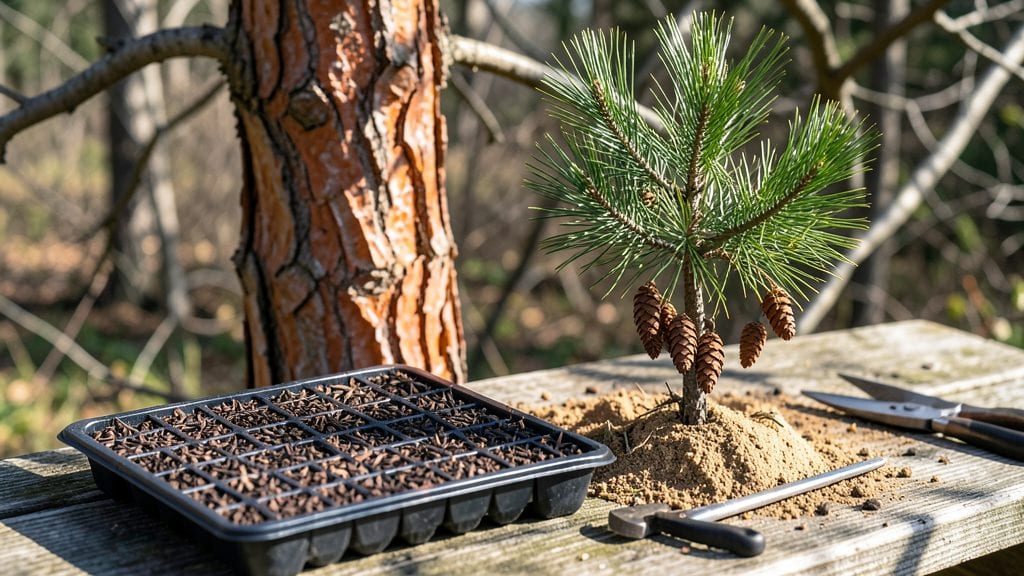
Growing jack pine seeds requires a cold moisture trick that mimics their natural forest conditions—this is the secret to breaking their stubborn dormancy and getting reliable germination. 🌱 I’ve struggled with these seeds before, only to watch them sit dry and lifeless for months, until I learned the right balance of moisture and cold.
The key isn’t just patience; it’s recreating the damp, chilly soil they’d find under fallen needles in the wild.
You’ll need just three things: a sealed container (like a plastic bag with a damp paper towel), a freezer or cold frame, and a pinch of persistence. The seeds must stay moist but not soggy—think of a wrung-out sponge—as they spend 8-12 weeks in near-freezing temps.
This mimics the winter they’d experience in their native boreal forests, where moisture seeps into the soil and cold keeps them dormant until spring.
Once they’ve endured that cold treatment, you’ll see the first signs of life within 2-4 weeks of planting in well-draining, sandy soil. Tiny green shoots will push through the surface, and by their first summer, they’ll be tough little saplings ready to handle harsh conditions.
The payoff? A forest-worthy pine that thrives in poor soil and freezing winters—exactly what makes jack pines so resilient.
This method works best in USDA Zones 2-5, where winters are long and cold, but with a little extra care (like extending the stratification time), you can try it in milder climates too. The trickiest part?
Keeping the seeds from drying out during the cold treatment—once they do, you’ll have to start over. But when it works, it’s incredibly satisfying to watch these hardy pines grow from something that looked so unlikely to begin with.
📚 In This Guide
- What you need
- Instructions
- Tips and common mistakes
- Wrapping up and next steps
What you need
- ● Jack pine seeds: Collect fresh seeds (preferably from cones) or purchase from a reputable supplier. Aim for 50–100 seeds to account for germination variability.
- ● Stratification medium: Moist peat moss or perlite (1 part peat moss to 1 part perlite for aeration).
- ● Vermiculite (alternative for better moisture retention).
- ● Plastic storage bag or airtight container: A quart-sized zip-top bag or small plastic tub with a lid.
- ● Spray bottle: For gently moistening the medium (avoid soaking).
- ● Refrigerator or cold stratification setup: A standard fridge set to 34–40°F (1–4°C) works perfectly.
- ● Small pots or seed trays: 2–3 inch pots or trays with drainage holes (for transplanting later).
- ● Potting mix: A well-draining blend of 50% peat moss, 30% perlite, and 20% sand.
- ● Labels and marker: To track seed batches and stratification dates.
- ○ Seedling heat mat: For faster germination once seeds sprout (optional but speeds up early growth).
- ● Grow lights: If natural light is limited (12–14 hours/day for seedlings).
- ● Humidity dome: To retain moisture during early germination.
- ● Fungicide (e.g., hydrogen peroxide 3% solution): To prevent mold in the stratification medium.
- ● Notebook: For recording moisture levels, fridge temps, and sprouting dates.
Step-by-step instructions for germinating jack pine seeds
Here's how to break through nature's tough defenses and get these seeds sprouting reliably.
🌱 Step 1: Stratify Seeds in Moist Sand
Fill a plastic container with 2 inches of clean sand and moisten it until damp but not soggy. Jack pine seeds need 90 days of cold stratification to mimic winter conditions in the forest. Place seeds 1 inch apart on the sand's surface, then cover them with another 1 inch of moist sand.
Store the container in a refrigerator where temperatures stay between 35-45°F. Check monthly to ensure the sand remains moist—never let it dry out completely. You'll see tiny roots emerging after about 4-6 weeks, signaling successful stratification.
💧 Step 2: Prepare Growing Medium
While seeds stratify, fill small pots with a mix of 50% peat moss and 50% perlite. This lightweight blend prevents root rot while allowing good drainage. Moisten the mix until it holds together when squeezed but doesn't drip water.
Jack pines thrive in acidic soil, so add a handful of sphagnum moss to each pot. Press the medium down lightly to create a firm planting surface. Keep the pots ready—you'll transplant the stratified seeds once they show roots.
☀️ Step 3: Transplant Stratified Seeds
After 90 days of cold treatment, remove seeds from the refrigerator and carefully separate any that have sprouted roots. Plant each seed ½ inch deep in the prepared pots, spacing them 1 inch apart.
Place the pots in a cool, shaded area for the first 2 weeks to prevent stress. Jack pine seedlings are sensitive to sudden heat. You'll notice first true leaves appear within 3-4 weeks—these will be needle-like and soft to the touch.
⏰ Step 4: Gradually Acclimate Seedlings
Once seedlings have 3-4 inches of new growth, begin moving them outdoors for 1 hour daily in partial shade. Increase exposure by 1 hour each week until they tolerate full sun for 6+ hours daily.
Water seedlings when the top inch of soil feels dry, using room-temperature water. Jack pines hate soggy roots but need consistent moisture during their first growing season. You'll see stronger stems and deeper green needles as they adapt to outdoor conditions.
🌿 Step 5: Maintain Forest Conditions
After 6 months of growth, transplant seedlings to their permanent location in well-draining, slightly acidic soil. Space them 3-4 feet apart to mimic natural forest spacing. Mulch with 2 inches of pine needles to retain moisture and acidify the soil gradually.
Jack pines grow slowly but steadily—expect 6-12 inches of growth annually under ideal conditions. Prune only to remove dead branches, as these trees develop their iconic twisted shapes naturally over time.
Tips & tricks for perfect jack pine seed germination
These insider tricks will help you break through nature's tough defenses and achieve reliable forest growth with your jack pine seeds.
The Moisture Factor: Keeping that sand consistently moist during the 90-day stratification is absolutely critical. I use a spray bottle to mist the sand every 2-3 weeks—just enough to keep it damp like a wrung-out sponge. Too dry and the seeds won't break dormancy; too wet and you risk mold. The key is that damp-but-not-soggy feel between your fingers.
Temperature Consistency: Your refrigerator's temperature matters more than you might think. Aim for the 35-45°F range consistently—some fridges have warmer spots. I place a thermometer inside the container to monitor it. If your fridge runs hotter, consider using a dedicated seed fridge or even a well-insulated cooler with ice packs. Those tiny roots need stable cold to wake up properly.
Visual Cues for Success: After about 4-6 weeks, you'll notice the magic moment—tiny white roots emerging from the seeds! This is your green light that stratification is working. If you don't see roots by week 8, gently check a few seeds to confirm they're still viable. Sometimes seeds need that extra push, and a few extra weeks in cold can make all the difference.
Transplant Timing: When you're ready to move seeds to pots after the 90 days, work quickly but gently. The seedlings are fragile at this stage. I find it helpful to label each pot with the transplant date—this helps track growth progress and ensures you don't accidentally overwater during the critical first 2 weeks in the cool, shaded area.
Pro Tips for Jack Pine Seeds
- These insider tricks will help you break through nature's tough defenses and achieve reliable forest growth with your jack pine seeds.
- The Moisture Factor: Keeping that sand consistently moist during the 90-day stratification is absolutely critical.
- Temperature Consistency: Your refrigerator's temperature matters more than you might think.
Frequently asked questions
Got questions about jack pine seeds?
You’re not alone! Here are answers to the most common queries—from timing to troubleshooting—to help you master the cold moisture trick for reliable growth.
How long do I need to cold-moisture-stratify jack pine seeds?
Jack pine seeds typically need 60–90 days of cold, moist stratification (around 33–41°F or 0–5°C) to break dormancy. Place them in a sealed container with damp peat moss or sand, then refrigerate. Pro tip: Check moisture weekly—seeds should feel damp but not soggy!
Can I stratify jack pine seeds in my freezer instead of a fridge?
Yes, but with caution! Freezers (below 32°F/0°C) can work, but consistent temps are key. Thaw seeds slightly before checking for moisture. For best results, use a fridge with a crispier drawer (around 35°F/2°C) to mimic natural winter conditions.
What’s the best time of year to plant jack pine seeds outdoors?
Plant late fall or early spring for natural stratification. If sowing in spring, pre-stratify seeds indoors for 2–3 months first. Jack pines thrive in well-draining, acidic soil—avoid heavy clay, which can cause rot.
Why aren’t my jack pine seeds germinating after stratification?
Common culprits: overly dry or moldy seeds, improper temps, or planting too deep (¼ inch max). Test viability by cutting open a few seeds—look for a green embryo. If stale, try fresh seeds or extend stratification by 30 days.
Are there alternatives to cold-moisture stratification for jack pine seeds?
While cold stratification is ideal, you can try sandpaper scarification (lightly sanding seed coats) or hot water soaking (160°F/71°C for 5 mins). However, these methods are less reliable—cold-moisture remains the gold standard for jack pines!
Wrapping up and next steps
Growing jack pine seeds with the cold moisture trick is a rewarding way to nurture resilient forest growth right in your own backyard! 🌲 By following the right steps—from stratification to planting—you’ll boost germination rates and set your seedlings up for success.
Whether you're a seasoned gardener or just starting out, this method makes it easier than ever to cultivate hardy trees that thrive in tough conditions.
Ready to take the next step? Grab your supplies, start your seeds, and watch your little pines grow into strong, towering trees. Happy planting—and may your forest flourish! 🌱✨