
Propagation
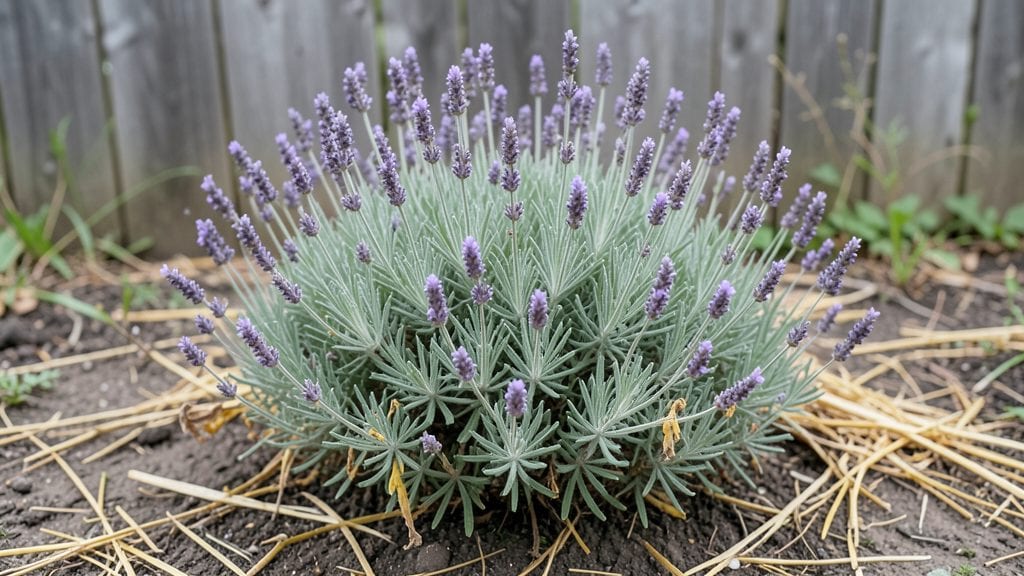
Growing Lavandula angustifolia from seeds means you’ll eventually have fragrant hedges and cuttings that smell like a Provençal summer—if you handle the tricky germination right. 🌱 The key isn’t heat mats or fancy setups; it’s a cold treatment that mimics nature’s way of breaking dormancy.
Most seeds take 30-60 days to sprout, but with this method, you’ll see those first pale green shoots within 4-8 weeks instead of giving up after two.
Here’s the secret: after sowing, pop your seed trays in the fridge for 4-6 weeks before moving them to light. I’ve tried skipping this step, and the results were disappointing—slow, uneven germination or seeds that never woke up.
The cold period tricks the seeds into thinking winter’s passed, so they’re ready to grow when spring arrives. Use well-draining soil mix with perlite to prevent rot, and keep humidity high with a plastic dome or clear lid.
Once those first leaves appear, you’ll notice how tender they are—almost like tiny lavender seedlings are fragile. They are, but they’re also tougher than they look. Thin them to 3 inches apart when they’re about 2 inches tall, and harden them off for a week before transplanting.
By summer, you’ll have sturdy young plants ready to handle your zone’s heat and drought, with that signature lavender scent already developing.
This method works for zones 5-9, and the payoff is worth the patience: plants that thrive with almost no care, resist deer and rabbits, and keep blooming for years. The hardiest varieties even survive light frosts once established. Let’s get those seeds started—your future lavender hedge is waiting!
Germination Struggles Explained
Growing Lavandula angustifolia from seeds can be a rewarding but occasionally frustrating process—especially when germination rates lag behind expectations. Understanding the why behind these challenges is the first step to overcoming them.
Below, we break down the most common reasons your seeds may not be sprouting as eagerly as you’d hope, along with the science behind each issue.
Not all seeds are created equal, and even high-quality Lavandula angustifolia seeds can lose viability over time. Here’s what’s happening:
- Natural degradation: Seeds contain stored energy (in the form of starches and oils) that powers germination. Over time, enzymes break down these reserves, reducing the seed’s ability to sprout. Lavender seeds typically retain viability for 1–3 years when stored properly, but after that, germination rates can drop by 30–50%.
- Moisture damage: If seeds were exposed to excess humidity during storage, fungal growth or internal rot can occur, rendering them non-viable. This is especially true for seeds stored in plastic bags without proper drying.
- Genetic factors: Some seed batches may have a higher percentage of "duds" due to poor pollination or self-sterility in lavender plants. If you’re growing from open-pollinated seeds (rather than hybrid varieties), this can be more common.
Actionable fix: Always source seeds from reputable suppliers and check the harvest date. For best results, use seeds less than 1 year old and store them in a cool (35–40°F), dry (5–10% humidity), and dark environment (like a sealed glass jar with silica gel).
Lavandula angustifolia is a cold-hardy perennial, but its seeds often require a period of stratification to break dormancy. Without this, seeds may remain dormant or sprout weakly. Here’s the science:
- Hormonal block: Lavender seeds produce abscisic acid (ABA), a hormone that inhibits germination until conditions are ideal. Cold stratification helps degrade ABA while promoting the production of gibberellins, which trigger growth.
- Physical barrier: Some seeds have a hard seed coat that resists water absorption. Cold, moist conditions soften the coat, allowing water to penetrate and kickstart metabolism.
- Enzyme activation: Low temperatures activate enzymes like α-amylase, which break down starches into sugars—fuel for the sprouting seed.
Actionable fix: Mimic winter conditions by refrigerating seeds in a moist paper towel or peat moss for 4–8 weeks at 35–40°F. For faster results, use a stratification mat (like those used for vegetable seeds) set to 40°F for 2–3 weeks. Skip this step, and you’re essentially asking your seeds to germinate without a winter coat—not ideal for lavender!
Lavender seeds are not tropical. They’ve evolved to germinate in cool spring conditions, and pushing them too hard with heat can backfire. Here’s why:
- Metabolic overload: High temperatures (80°F+) speed up seed respiration, depleting stored energy before the seedling can establish roots. This leads to premature death or failed germination.
- Fungal risks: Warm, moist soil encourages Pythium or Rhizoctonia fungi, which can rot seeds before they sprout. Lavender seeds are particularly vulnerable in 75–85°F ranges.
- Enzyme dysfunction: Key germination enzymes (like proteases) denature at high heat, halting growth. Ideal temps for lavender seed germination hover around 60–70°F.
Actionable fix:
- Use a seedling heat mat set to 65–70°F under your trays.
- Avoid placing seeds near radiators, windowsills in direct sun, or under grow lights set too high.
- If your home runs hot, try a cool basement or garage for initial germination.
Water is the double-edged sword of germination—too little, and seeds dry out; too much, and they suffocate. Lavender seeds need consistent moisture without waterlogging. Here’s the breakdown:
- Desiccation: Lavender seeds have low oil content compared to other herbs, making them more sensitive to drying out. If the growing medium dries even slightly, the seed’s metabolism stalls.
- Oxygen deprivation: Overwatering creates anaerobic conditions, where seeds can’t respire properly. This leads to ethanol buildup, which is toxic to developing embryos.
- Fungal invasion: Stagnant water breeds water mold, which can smother seeds before they break the surface.
Actionable fix:
- Use a well-draining mix (e.g., 50% peat moss + 50% perlite) to prevent sogginess.
- Water from the bottom (via a tray of water) to keep moisture even without oversaturating.
- Mist seeds lightly 2x daily with a spray bottle to maintain 60–70% humidity—but avoid puddles.
Lavender seeds are not photoblastic (they don’t need light to germinate), but they do need the right soil conditions to access nutrients. Missteps here can stall growth:
- Nutrient starvation: Seeds rely on their own stored energy for the first 7–14 days. If planted in sterile or nutrient-poor soil, they may sprout but lack the strength to push through.
- Compacted soil: Dense or clay-heavy mixes restrict root penetration, causing seeds to rot underground or produce weak, leggy seedlings.
- pH imbalances: Lavender prefers neutral to slightly alkaline soil (pH 6.5–7.5). Acidic soil (pH < 6.0) can lock out essential phosphorus, slowing germination.
Actionable fix:
- Use a light, airy mix like cactus/succulent soil + sand for initial planting.
- Avoid fertilizing until after germination—seeds don’t need extra nutrients yet!
- Test soil pH with a kit and amend with lime if needed to raise pH.
Fixing Germination Problems Fast
Growing lavender seeds (like Lavandula angustifolia) from scratch can be tricky, but with the right fixes, you’ll get those fragrant blooms thriving in no time. Below are practical solutions for common germination issues—plus prevention tips to keep your lavender seeds happy and healthy.
🌱 Cause: Seeds Aren’t Sprouting (Or Sprouting Too Slowly)
Fix: Lavender seeds need patience, warmth, and the right conditions—they’re slow to germinate (often 2–4 weeks, sometimes months!).
- 🔥 Use a heat mat (70–75°F) to speed up germination.
- 🍳 Plant in a sterile, well-draining mix (50% perlite + 50% seed-starting soil).
- 👨🍳 Keep soil moist but not soggy—lavender hates wet feet!
- ⏰ Avoid cold drafts—lavender seeds struggle in temperatures below 50°F.
💡 Prevention Tip: Stratify seeds (mimic winter) by refrigerating them for 4–6 weeks before planting to break dormancy.
🌡️ Seeds Rotting or Moldy?
Fix: Overwatering or poor drainage is the #1 killer of lavender seeds.
- 🔪 Use shallow trays (2–3 inches deep) with drainage holes.
- 🥘 Water from the bottom (place trays in a shallow dish of water for 10 mins, then drain).
- 🌡️ Increase airflow—use a small fan (2–3 hours/day) to prevent fungal growth.
- ✨ Switch to coconut coir or sand if soil stays too damp.
💡 Prevention Tip: Plant in spring or early fall when temperatures are mild—avoid summer heatwaves.
🌿 Seedlings Dying After Germination?
Fix: Young lavender seedlings are delicate—they need gentle care to survive.
- 🔥 Move to bright, indirect light (south-facing window or grow lights).
- 🍳 Hardening off is a must—acclimate seedlings to outdoor conditions gradually (1 week before transplanting).
- 👨🍳 Use small pots (2–3 inches) to prevent root crowding.
- ⏰ Avoid fertilizing until seedlings have 2–3 true leaves (use a diluted fish emulsion afterward).
💡 Prevention Tip: Transplant carefully—lavender hates root disturbance. Use dibble marks (small holes) to guide seedlings gently.
Once your seeds sprout, keep them happy with: ✅ Full sun (6+ hours/day)—lavender loves sunlight! ✅ Drought-tolerant watering—water only when soil is bone-dry. ✅ Well-draining soil—amend clay soil with gravel or sand. ✅ Prune in early spring to encourage bushier growth.
🚀 Pro Tip: If all else fails, try cuttings—lavender often roots easier from stems than seeds!
Now that you’ve got the fixes, watch those fragrant lavender blooms take over your garden! 🌸💜
Frequently asked questions
How long do lavender seeds stay viable for storage?
Lavandula angustifolia seeds typically remain viable for 1-3 years when stored properly in a cool (35-40°F), dry (5-10% humidity), and dark environment. After this period, germination rates drop significantly. Always check the harvest date when purchasing seeds for best results.
Can I skip the cold stratification step?
While possible, skipping stratification (4-6 weeks at 35-40°F) will likely result in slower, uneven germination or lower success rates. This cold treatment mimics winter conditions, breaking seed dormancy through hormonal changes. For faster results, use a stratification mat set to 40°F for 2-3 weeks instead.
What's the best soil mix for germinating lavender seeds?
Use a light, airy mix like 50% perlite + 50% seed-starting soil or cactus/succulent soil with sand. Avoid heavy garden soil or clay mixes that retain too much moisture. The goal is well-draining conditions to prevent rot while maintaining consistent moisture.
Why are my lavender seedlings turning yellow?
Yellowing seedlings usually indicate overwatering or nutrient deficiency. Lavender hates soggy roots—ensure your mix drains freely and water only when the top inch is completely dry. For established seedlings, a diluted fish emulsion (after 2-3 true leaves appear) can help restore vigor.
How do I know when to transplant lavender seedlings?
Transplant when seedlings have 4-6 true leaves and are about 3-4 inches tall. Harden them off for 1 week by gradually exposing them to outdoor conditions. Choose a sunny, well-draining spot with 6+ hours of sunlight daily for best growth.