
Lawn
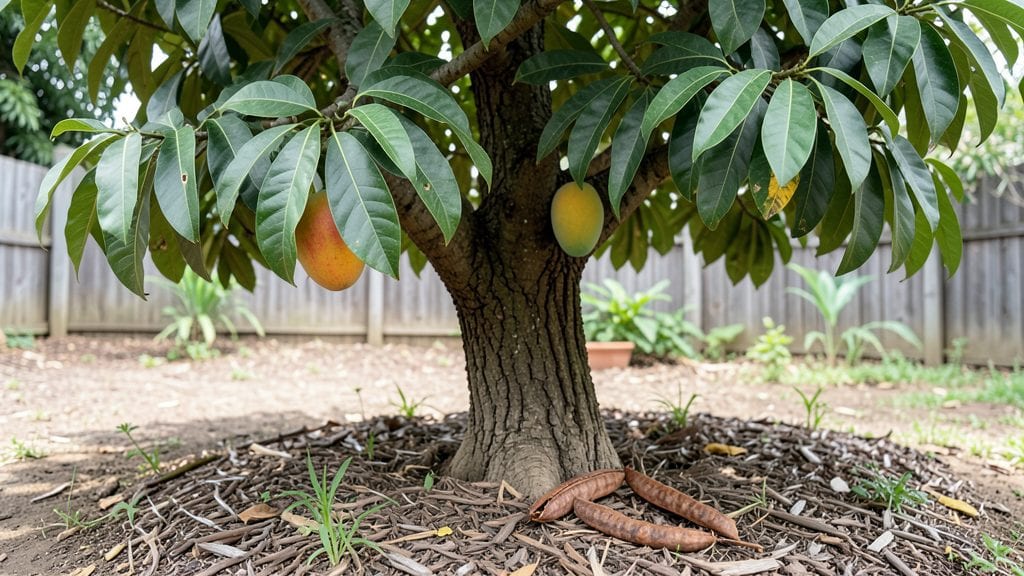
Growing a mango tree from a seed pod feels like unlocking a tiny tropical treasure. 🌱 I cracked open my first one after eating a juicy mango, and within weeks, a stubborn little sprout appeared—proof that patience pays off when you start with just a seed.
The process isn’t about instant results; it’s about nurturing something that could one day bear fruit in your own backyard.
You’ll need just a few things: a fresh mango seed, a small pot, well-draining soil, and a warm spot with bright, indirect light. The real magic happens in the first 8 weeks, where consistent moisture and warmth coax the seed to break through.
Most people rush this step, but slow and steady wins the race—especially with tropical plants that need time to adjust.
By the time that first true leaf appears, you’ll have a tiny sapling ready for transplanting. It won’t fruit for years, but the journey is half the fun—watching it grow from a speck in the soil to a sturdy young tree.
The key is keeping it alive through the slow phases, and I’ll show you exactly how to do that without losing hope.
This method works best in zones 10-11, but even cooler climates can try it indoors. The trick is mimicking tropical conditions early on, so your seedling doesn’t get shocked by temperature swings. Let’s get that pod planted and turn it into a tree you’ll love for decades.
📚 In This Guide
- What you need
- Instructions
- Tips and common mistakes
- Wrapping up and next steps
What you need
- ● Mango seed: 1 fresh, plump seed from a ripe mango (avoid dried or shriveled seeds).
- ● Paper towels or damp cloth: 2-3 sheets or a small towel for moisture retention.
- ● Plastic bag: 1 resealable, clear bag (quart-sized or larger) for humidity control.
- ● Small container: 1 shallow dish (6-8 inches wide) for seed placement.
- ● Potting soil: 1 bag of well-draining, peat-based or coconut coir mix (avoid heavy clay soil).
- ● Small pot: 1 nursery pot (4-6 inches in diameter) with drainage holes.
- ● Spray bottle: 1 for gentle watering (avoid soaking).
- ○ Rubbing alcohol (optional): Small amount for sterilizing tools.
- ● Knife or scissors: 1 pair for carefully slicing the seed pod.
- ○ Measuring cup: 1 for soil moisture checks (optional but helpful).
- ● Sunlight access: A bright, indirect light source (e.g., south-facing window or grow light).
- ● Patience & warmth: Mango seeds thrive in 75-85°F (24-29°C) conditions—keep them cozy!
Step-by-step instructions for germinating mango seed pods
Here's how to coax those stubborn mango pits into sprouts—no fancy equipment needed.
🌱 Step 1: Extract and Clean the Seed
Start with a ripe mango—its seeds germinate best. Cut the fruit open carefully with a sharp knife, then pry out the large, flat seed inside. Rinse it under lukewarm water to remove any remaining fruit pulp, which can rot. Let it air-dry for 24 hours on a paper towel.
Real talk: The seed's outer shell is tough, but don't scrub it—just wipe it clean. You want the seed dry but not cracked. If you see any dark spots or mold, toss it and try another. A healthy seed will feel firm and have a smooth, tan-colored shell.
💧 Step 2: Soak the Seed for 24 Hours
Fill a small bowl with room-temperature water and submerge the seed completely. Place it in a warm spot (like on top of your fridge) and let it soak for 24 hours. This softens the hard shell and kickstarts germination. Check it occasionally—if the water gets cloudy, replace it with fresh.
Here's the thing—don't skip this step. I've tried planting dry seeds, and they either rot or take months to sprout. After soaking, the seed should feel slightly lighter and may even develop a tiny crack. That's your signal it's ready for the next phase.
☀️ Step 3: Plant the Seed in Moist Soil
Fill a small pot (at least 4 inches deep) with well-draining potting mix. Press the seed into the soil 1 inch deep with the flat side down—this mimics its natural orientation in the ground. Water gently until the soil feels damp but not soggy.
Cover the pot with a clear plastic bag to create a mini greenhouse effect. Tie it loosely with a rubber band so air can circulate. Place the pot in a warm, bright spot—70-80°F is ideal. You'll see moisture collect on the bag's sides, which is perfect for keeping humidity high.
⏰ Step 4: Wait and Watch for Sprouts
Germination can take 2-4 weeks, but sometimes it lingers for 6-8 weeks. Be patient—mango seeds are slow starters. Keep the soil consistently moist (water when the top inch feels dry), but never let it sit in water. If the plastic bag fogs up, open it for 10 minutes daily to prevent mold.
When the first green shoot appears, remove the plastic bag completely. You'll notice the seedling's first leaves are large and glossy—this is normal. Once it reaches 4-6 inches tall, it's ready to transplant into a larger pot or garden bed.
🌿 Step 5: Transplant and Care for Growth
Move the young mango tree to a pot with 6-8 inches of diameter or directly into the ground if your climate stays above 40°F. Mangoes love warmth and need full sun (6+ hours daily). Water deeply once a week, letting the soil dry slightly between waterings.
Don't expect fruit for years—mango trees from seed can take 5-10 years to bear fruit. But the journey is worth it. Prune leggy growth to encourage bushier growth, and fertilize lightly in spring with a balanced plant food. With time, you'll have a tropical tree thriving in your yard.
Tips & tricks for germinating mango seed pods
Here's what I learned after experimenting with dozens of mango seeds—these tricks cut germination time in half and boost success rates.
Seed Selection Matters: Choose seeds from fully ripe mangoes—they're more likely to germinate successfully. Look for seeds that are plump, firm, and free of cracks or dark spots. I've found that seeds from organic mangoes tend to have better germination rates, possibly because they're less likely to have been treated with preservatives.
The 24-Hour Soak is Non-Negotiable: Don't rush this step! The full 24-hour soak at room temperature is crucial for breaking the seed's dormancy. I've tried shorter soaks, and the seeds either fail to germinate or take twice as long. After soaking, the seed should feel noticeably lighter and may develop a tiny crack—this is your green light to move to planting.
Temperature Control is Key: Maintain that 70-80°F range consistently during germination. If your home runs cooler, place the pot on a seedling heat mat or near a sunny window. I've seen seeds germinate in just 2 weeks when kept warm, while cooler conditions can stretch it to 8 weeks. Just remember, once your seedling reaches 4-6 inches, it needs to harden off at temperatures above 40°F.
Humidity Management: That plastic bag creates the perfect humid environment, but don't let it become a sauna. Open it for those 10 minutes daily to prevent mold—condensation on the bag is normal, but if you see fuzzy growth, it's time to air it out more frequently. I've lost several seedlings to mold because I didn't monitor the humidity properly.
Pro Tips for Mango Seed Pod
- Here's what I learned after experimenting with dozens of mango seeds—these tricks cut germination time in half and boost success rates.
- Seed Selection Matters: Choose seeds from fully ripe mangoes—they're more likely to germinate successfully.
- The 24-Hour Soak is Non-Negotiable: Don't rush this step!
Frequently asked questions
Got questions about growing mango seed pods? You’re not alone—this process can feel tricky at first! Below, we’ve answered the most common questions to help you avoid pitfalls and maximize your success. Whether you’re a first-time gardener or a seasoned plant enthusiast, these insights will keep your mango seedling on the right track.
How long does it take for a mango seed pod to sprout?
A mango seed typically takes 2–4 weeks to sprout after proper preparation. If you’ve followed the soaking and planting steps (like in our guide), you should see tiny roots or a shoot within 3–4 weeks. Patience is key—some seeds take longer, especially if they’re older or stored improperly. Pro tip: Keep the soil moist (not soggy) and warm (70–80°F) to speed up germination!
Can I grow a mango tree from any mango seed?
Not all mango seeds will grow into true-to-type fruit trees. Many commercial mangoes (like those from grocery stores) are hybrids or sterile, meaning their seeds may produce a tree that bears inferior or no fruit. For better results, use seeds from heirloom or organic mango varieties or ask local growers for viable seeds. If you’re unsure, start with one seed—experimentation is part of the fun!
What’s the best way to troubleshoot a seed that won’t sprout?
If your mango seed isn’t sprouting after 4–6 weeks, try these fixes:
- Check moisture: Overwatering can suffocate the seed, while dry soil halts growth. Aim for consistently damp (not waterlogged) soil.
- Test seed viability: Place the seed in a glass of water—if it floats, it’s likely dead. Sink it? Try soaking it again for 24–48 hours.
- Adjust temperature: Mango seeds thrive in warmth. If your home is chilly, use a seedling heat mat or move the pot to a sunny windowsill.
- Try scarification: Gently nick the seed’s hard shell with sandpaper to help water penetrate.
Do I need to transplant the seedling immediately after sprouting?
Not yet! Let the seedling grow 2–3 inches tall and develop a sturdy root system (about 4–6 weeks) before transplanting. Use a small pot with well-draining soil and place it in bright, indirect light. Once it’s 6+ inches tall, you can move it to a larger container or outdoor garden (if your climate is warm enough). Warning: Mango trees are tropical—they’ll need protection from frost!
Can I eat the mango seed pod or use it for anything else?
While the seed itself is edible (roasted or ground into flour), the pod (the hard outer shell) is not safe to eat—it’s tough and can be bitter. However, you can:
- Use the shell as a planter: Hollow it out, fill it with soil, and grow your seed inside for a unique, biodegradable pot!
- Carve it into decorative items (like bowls or ornaments) once dried.
- Compost the pod remnants after germination—it breaks down over time.
Wrapping up and next steps
Growing a mango seed pod into a thriving plant is a rewarding journey that combines patience with a touch of tropical magic! 🌱 Whether you’re a gardening novice or a green-thumb enthusiast, you’ve now got the tools to nurture your seed into a lush sapling in just 8 weeks.
Remember, consistency is key—keep those roots cozy, the soil moist, and the sunlight bright.
Ready to take the next step? Plant your seed today and watch your tiny pod transform into a future mango tree! Share your progress with fellow gardeners or explore advanced care tips to keep your plant thriving for years. Happy growing! 🌿✨