
Orchid Care
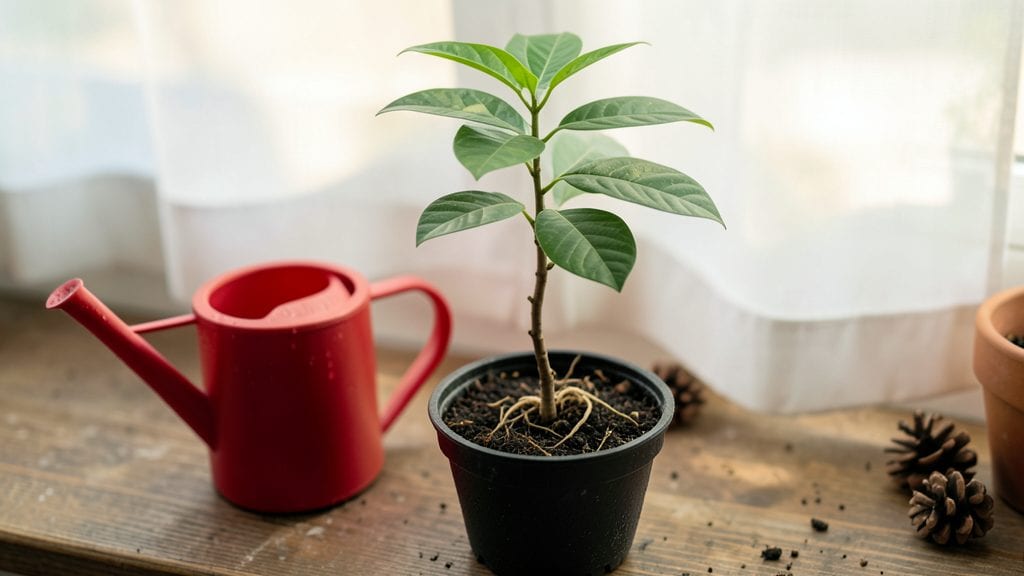
Mango seedling care starts with patience and a sunny windowsill. 🌱 I learned the hard way that these tropical babies need consistent warmth and light from day one—or they’ll stretch into leggy shadows that never fruit.
The first green shoots appear in 2-4 weeks, but proper care turns those into sturdy plants ready for transplanting.
You’ll need a small pot with drainage, a mix of potting soil and perlite, and a heat mat if your home runs cool. Water gently—never soak the soil—since soggy roots stall growth.
Place the seedling in the brightest spot you have, even if it’s just a south-facing window. Without enough light, seedlings grow weak and pale, no matter how much you water them.
By month three, you’ll see real progress: thick stems, glossy leaves, and maybe even a tiny flower bud if conditions are perfect. Prune any yellowing leaves immediately to redirect energy to new growth.
The key is balance—too much sun scorches young leaves, but too little leaves them reaching desperately for light.
Outdoor growers can transition seedlings outside after the last frost, but only when nighttime temps stay above 55°F. Harden them off gradually to avoid shock. Even in containers, mango seedlings can thrive for years with proper care—imagine harvesting your own fruit someday from a plant you nurtured from seed!
📚 In This Guide
- What you need
- Instructions
- Tips and common mistakes
- Wrapping up and next steps
What you need
- ● Mango seeds: 1–3 fresh, plump seeds (harvested from a ripe mango; avoid dried or shriveled ones).
- ● Seed-starting mix: 1 small container (4–6 inches deep) filled with well-draining potting soil (look for a mix labeled "seed starting" or "cactus/succulent blend").
- ● Growing container: Option 1: Biodegradable pots (e.g., peat or coconut coir) – 1–2 per seedling.
- ● Option 2: Plastic or paper cups with drainage holes (puncture 3–5 holes at the bottom).
- ● Watering can or spray bottle: With a fine mist nozzle for gentle hydration.
- ○ Plastic wrap or humidity dome: To retain moisture during germination (optional but helpful).
- ● Grow lights or sunny windowsill: A full-spectrum LED grow light (12–16 hours/day) or a south-facing window (6+ hours of direct sunlight).
- ● Fertilizer: Balanced, water-soluble fertilizer (e.g., 10-10-10 or 5-5-5) – only after sprouts emerge (dilute to half-strength).
- ● Heating mat: (70–75°F range) to speed up germination in cooler climates.
- ● Humidity tray: A shallow tray with pebbles and water to boost moisture levels.
- ● pH meter or test kit: To check soil pH (ideal range: 5.5–6.5 for mango seedlings).
- ● Pruning shears: For future trimming (sterilize with rubbing alcohol!).
- ● Label markers: To track planting dates and seed varieties.
Step-by-Step instructions for mango seedling care
Here’s how to nurture your mango seedlings from sprouts to sturdy young plants.
🌱 Step 1: Provide Warmth and Moisture for Germination
Mango seeds need consistent warmth to sprout—aim for 75-85°F using a seedling heat mat or warm spot. Place the seed in a 2-3 inch deep container filled with moistened potting mix, pressing lightly to ensure good soil contact. Cover the pot with plastic wrap to retain humidity, but leave a small gap for airflow.
Keep the soil evenly damp (not soggy) by misting daily. Germination takes 2-4 weeks, so patience is key. You’ll know it’s working when the seed splits open and a tiny root emerges—this is your signal to remove the plastic wrap immediately to prevent rot.
☀️ Step 2: Move to Bright, Indirect Light
Once sprouts appear, place seedlings near a south-facing window or under grow lights for 12-14 hours of light daily. Direct sunlight can scorch young leaves, so start with filtered light and gradually increase exposure over 7-10 days. You’ll see strong growth when leaves stay deep green and stems thicken—this means your light setup is working.
If seedlings stretch toward the light (a sign of legginess), they need more intensity. Adjust the grow light to 4-6 inches above the plants and rotate the pot daily for even growth. Avoid cold drafts, which stunt development.
💧 Step 3: Water and Fertilize for Healthy Growth
Water seedlings when the top inch of soil feels dry, using room-temperature water to avoid shocking the roots. Overwatering is the biggest mistake—yellowing leaves or mushy stems mean you’re drowning the plant. Let excess water drain completely to prevent root rot.
After 4-6 weeks, when seedlings have 2-3 sets of true leaves, switch to a balanced liquid fertilizer (diluted to half strength). Feed every 2 weeks to support leafy growth. You’ll notice stronger stems and vibrant foliage within a month.
⏰ Step 4: Harden Off Before Transplanting
Two weeks before moving outdoors, start hardening off seedlings by placing them in a sheltered spot for 1-2 hours the first day, gradually increasing time over 10-14 days. This toughens stems and prepares them for wind and sun. Watch for wilting—if it happens, they’re not ready yet.
Transplant on a cloudy day to reduce stress. Bury seedlings to their first true leaves to encourage deep root growth. Mulch with 1-2 inches of organic matter to retain moisture and protect roots from temperature swings.
Tips & tricks for perfect mango seedling care
Between us, nurturing mango seedlings from seed to sturdy plant requires patience and precision—but these tricks will help you avoid the most common pitfalls.
Germination Temperature Secret: The 75-85°F range is non-negotiable for mango seeds. I learned this the hard way after watching seeds rot in cooler conditions. Place your container on a seedling heat mat or nestle it between two light bulbs (75W) to maintain steady warmth. If your home runs cold, consider a small greenhouse or even a sunny windowsill with a heating pad underneath—just monitor closely to avoid overheating.
Light Transition Strategy: That 12-14 hours of light daily in Step 2 is crucial, but the gradual exposure over 7-10 days is just as important. I recommend setting a timer on your grow lights to automate this process—just adjust the height to 4-6 inches above the seedlings. Watch for leaves that look pale or stretched (legginess)—this means they're reaching for more light. Rotate your seedlings daily so all sides grow evenly, or they'll lean toward the light source like sunflowers.
Watering Wisdom: The top inch dry test in Step 3 is your best friend, but timing matters too. Water in the morning so excess moisture evaporates during the day. I've seen seedlings drown when people water at night—condensation builds up under plastic wrap and suffocates the roots. And never let them sit in saucers of water; mango seedlings hate soggy conditions. If you're unsure, stick your finger in the soil—it should feel slightly damp but not wet.
Fertilizer Timing: Wait for those 2-3 sets of true leaves before fertilizing—this usually happens around 4-6 weeks. I use a diluted fish emulsion (half-strength) because it's gentle on young roots, but any balanced liquid fertilizer works. The key is consistency: feed every 2 weeks without fail. You'll notice the difference in leaf color and stem thickness within weeks, but stop fertilizing 2 weeks before transplanting to let the roots recover.
Pro Tips for Mango Seedling Care
- Between us, nurturing mango seedlings from seed to sturdy plant requires patience and precision—but these tricks will help you avoid the most common pitfalls.
- Germination Temperature Secret: The 75-85°F range is non-negotiable for mango seeds.
- Light Transition Strategy: That 12-14 hours of light daily in Step 2 is crucial, but the gradual exposure over 7-10 days is just as important.
Frequently asked questions
Got questions about nurturing your mango seedlings?
You’re not alone! Here are answers to the most common queries—from germination to growth—so you can keep your little tropical trees thriving.
How long does it take for a mango seed to germinate?
Germination usually takes 2–4 weeks in warm, moist conditions (70–85°F). Patience is key—some seeds may take up to 8 weeks! Keep the soil consistently damp (not soggy) and place the seedling in indirect light until sprouts appear. Learn more about light requirements here.
When should I transplant my mango seedling outdoors?
Wait until all frost risk has passed and nighttime temps stay above 55°F (13°C). Seedlings need 6–12 months of indoor/container care first to build roots. Harden them off by gradually exposing them to outdoor conditions over 1–2 weeks before planting in well-draining soil.
Why is my mango seedling’s leaves turning yellow?
Yellow leaves often signal overwatering or nutrient deficiency. Check the soil—it should feel moist but not waterlogged. Mango seedlings also need balanced fertilizer (like 10-10-10) every 2–3 months once established. See more tips for leaf issues.
Can I grow a mango tree from a grocery store seed?
Yes! But know that store-bought seeds may not produce true-to-type fruit (they’re often hybrids). For better results, source seeds from ripe, organic mangoes or a trusted nursery. If you’re experimenting, treat it like a fun project—even if the tree doesn’t bear edible fruit, it’s a great ornamental plant!
How much sunlight does a mango seedling need daily?
Seedlings thrive on 6–8 hours of bright, indirect light daily. Once outdoors, they’ll need full sun (6+ hours) to grow strong. Too little light? Leaves may stretch or pale. Too much? Young plants can scorch. Gradually increase sun exposure to avoid shock. Pro tip: Use sheer curtains to filter harsh afternoon sun.
What pests should I watch for in mango seedlings?
Keep an eye out for aphids, spider mites, and mealybugs, which love tender new growth. Treat infestations early with neem oil or insecticidal soap. Scale insects can also appear—scrub them off with soapy water if caught early. Learn organic solutions here.
Wrapping up and next steps
Caring for mango seedlings is a rewarding journey that blends patience with passion! 🌱 By understanding their germination timeline and light needs, you’ll set the stage for lush, thriving trees.
Remember: consistency in watering, proper sunlight exposure, and gentle handling will guide your seedlings from fragile sprouts to robust saplings.
Now that you’re armed with expert tips, take the next step—plant your first seedling today! Whether you’re a seasoned gardener or a curious beginner, every small action grows confidence. Happy planting, and may your mango trees flourish! 🌿✨