Trees
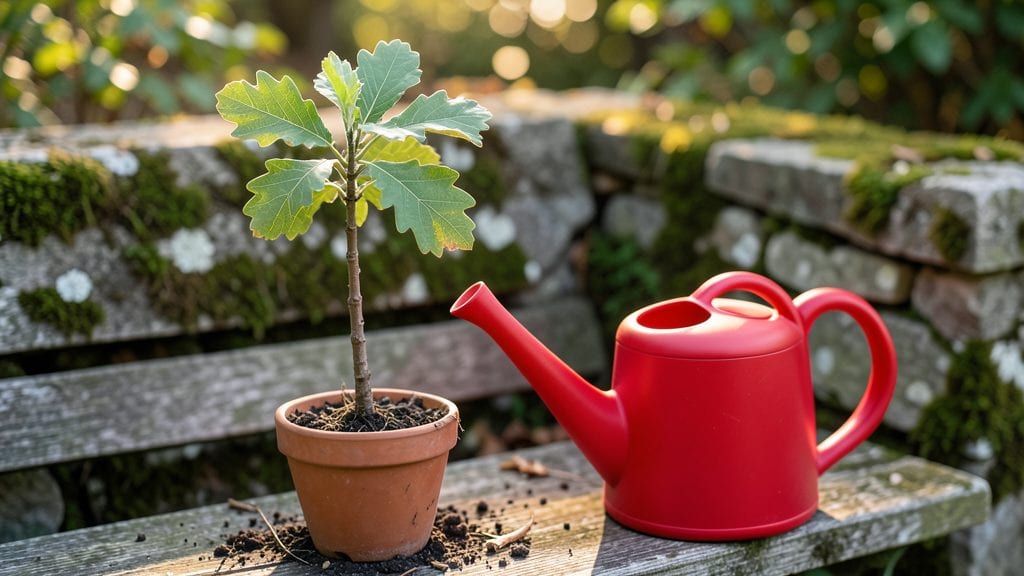
Caring for oak seedlings means setting the stage for trees that’ll outlive you—and I’ve learned the hard way what happens when you skip the early steps. 🌱 The first year determines whether your seedling grows into a sturdy 50-foot oak or a weakling that never survives transplant shock.
These trees aren’t fussy, but they do need the right soil, watering rhythm, and protection from pests that see them as snacks.
Start with well-draining soil mixed with compost (no soggy roots here), and water deeply twice a week—more in summer, less in winter. A 5-gallon container gives roots room to stretch before planting out, and shade cloth keeps young leaves from scorching.
The key? Consistency. Oak seedlings hate drought stress or sudden changes, so gradual adjustments win every time.
By year two, you’ll see thick, dark green leaves and a trunk that’s already toughening up—proof you’re doing it right. These trees reward patience with decades of shade and wildlife support, but the foundation starts now.
Skip the shortcuts, and you’ll have a tree that lasts centuries instead of a season.
Works for red, white, or pin oak seedlings—just adjust watering slightly for your climate. Here’s how to keep them thriving through every season without guesswork.
📚 In This Guide
- What you need
- Instructions
- Tips and common mistakes
- Wrapping up and next steps
What you need
- ● Oak seedlings: 1–3 healthy 1–2 ft tall seedlings (bare-root or potted, depending on season)
- ● Well-draining soil: 2–3 cubic yards of a mix of 60% topsoil, 30% compost, and 10% perlite/sand
- ● Planting site: Sunlit area (6+ hours of sunlight daily) with space for mature tree (50+ ft diameter)
- ● Watering can or hose: With a gentle spray nozzle (or drip irrigation system for efficiency)
- ● Mulch: 2–3 inches of organic mulch (wood chips, pine straw, or shredded bark)
- ● Fertilizer: Slow-release, balanced fertilizer (10-10-10 or oak-specific blend)
- ● Pruning shears: Sharp, sterilized pair (for trimming damaged branches)
- ○ Stakes & ties (optional but helpful): 2–3 stakes (2–3 ft tall) and soft plant ties for support
- ● Soil pH test kit: To ensure pH is 5.0–7.0 (oaks prefer slightly acidic to neutral)
- ● Tree guard: Plastic or metal collar to protect young trunks from rodents
- ● Weather monitoring: Thermometer/hygrometer for tracking temperature and humidity
- ● Eco-friendly pest control: Neem oil or insecticidal soap (for aphids/borers)
- ● Garden journal: To log growth, watering schedules, and seasonal changes
Step-by-Step instructions for oak seedling care
Here's the foolproof method I've used to raise healthy oak seedlings through every season.
🌱 Step 1: Prepare the Planting Site
Choose a location with partial shade for the first year—young oaks can't handle full sun yet. Clear the area of weeds and loosen the soil to a depth of 12 inches with a garden fork. I always test the soil pH first; oaks prefer 5.0-7.0. If your soil is too acidic, mix in some crushed limestone according to package instructions.
Dig a hole twice as wide as the seedling's root ball but only as deep as the container it came in. This prevents burying the root flare where the roots meet the trunk. Gently remove the seedling from its container and tease apart any circling roots with your fingers. You'll see them immediately—they look like little rings around the root ball.
💧 Step 2: Water and Mulch Immediately
Fill the planting hole halfway with water and let it drain completely. This preps the soil for the seedling and gives you a chance to check drainage—if water pools, amend the hole with sand or perlite. Place the seedling in the hole and backfill with native soil, tamping gently every 2 inches to remove air pockets.
Create a 3-inch deep mulch ring around the base using the wood chips, keeping it 6 inches away from the trunk. This protects roots from temperature swings and retains moisture. Water deeply again until the soil 6 inches down feels damp. You'll know it's right when water runs out the drainage holes but doesn't pool on the surface.
☀️ Step 3: Provide Seasonal Protection
For the first summer, shade the seedling with 50% shade cloth during peak afternoon sun. Remove it entirely by late August to harden the seedling for winter. I stake young oaks only if they lean—use a single 4-foot bamboo stake tied loosely with soft cloth to avoid girdling the trunk.
Winter care starts in late fall when temperatures drop below 40°F. Wrap the trunk and lower branches with the tree wrap, overlapping sections by 2 inches. This prevents sunscald and rodent damage. In areas with heavy snow, gently brush accumulation off branches to avoid breakage—never let more than 6 inches accumulate.
✂️ Step 4: Prune and Fertilize Strategically
Wait until late winter or early spring to prune—never cut in fall when wounds take longer to heal. Remove only dead, diseased, or crossing branches using clean, sharp shears. Make cuts just outside the branch collar where it meets the trunk. I never top oaks—this creates weak growth and storm hazards.
Apply the 10-10-10 fertilizer in early spring when new leaves emerge, following package rates for young trees. Water the area first to help distribute nutrients. You'll see fresh, vibrant growth within 4-6 weeks. Avoid fertilizing in summer—it encourages tender new growth that winter can't protect.
Tips & tricks for perfect oak seedling care
Here's what nobody tells you about growing oak seedlings that actually thrive—these are the tricks I've learned after watching my first batch struggle.
The Root Flare Rule: In Step 1, when you're planting, the root flare (where roots meet the trunk) should sit just above the soil line—never buried. I learned this the hard way when my first seedling developed root rot because I planted it too deep. If you're unsure, look for the slight bulge where the roots flare out from the trunk—that's your guide.
Mulch Depth Matters: That 3-inch deep mulch ring in Step 2 isn't just decoration—it's critical for moisture retention and temperature regulation. But here's the secret: keep it 6 inches away from the trunk to prevent rot. I've seen mulch piled right against the trunk cause fungal issues that kill seedlings before they even get established.
Winter Wrap Technique: When temperatures drop below 40°F, that tree wrap in Step 3 needs to be applied properly. Overlap the sections by 2 inches to create a continuous barrier, and make sure it covers from the ground up at least 12 inches. I've seen wraps slip down over winter, leaving the vulnerable lower trunk exposed to sunscald.
Fertilizer Timing is Everything: That 10-10-10 fertilizer in Step 4 should only go on in early spring when you see new leaves emerging. I made the mistake of fertilizing in late summer once, and my seedling put out tender new growth that got damaged in the first frost. The 4-6 week window for vibrant growth is your target—don't rush it.
Pro Tips for Oak Seedling Care
- Here's what nobody tells you about growing oak seedlings that actually thrive—these are the tricks I've learned after watching my first batch struggle.
- The Root Flare Rule: In Step 1, when you're planting, the root flare (where roots meet the trunk) should sit just above the soil line—never buried.
- Mulch Depth Matters: That 3-inch deep mulch ring in Step 2 isn't just decoration—it's critical for moisture retention and temperature regulation.
Frequently asked questions
Got questions about keeping your oak seedlings healthy and strong? You’re not alone—oak seedling care can feel tricky at first! Below, we’ve answered the most common questions to help you troubleshoot, plan ahead, and give your young tree the best shot at thriving.
How often should I water my oak seedling?
Water your oak seedling deeply but infrequently—about once a week (or more in extreme heat/drought). The key is to soak the soil until it’s moist 6 inches deep, then let it dry slightly between waterings. Overwatering suffocates roots, while underwatering stresses the tree. Pro tip: Use a moisture meter or stick your finger in the soil to check!
When is the best time to plant an oak seedling?
Plant your oak seedling in early spring or fall when temperatures are mild (50–70°F). Avoid summer heatwaves or winter freezes, as young roots are vulnerable. If you must plant in summer, provide extra shade and mulch to retain moisture. Fall planting gives roots time to establish before winter dormancy.
What should I do if my oak seedling leaves turn yellow?
Yellow leaves often signal overwatering, nutrient deficiency, or pests. First, check the soil—it should be moist but not soggy. If roots smell rotten, you may have root rot (reduce watering and improve drainage). For pests (like spider mites or aphids), spray with neem oil or insecticidal soap. Brown edges? That’s usually underwatering or salt buildup—flush the soil with water.
Can I grow an oak seedling indoors before transplanting?
Yes! Start indoors in a well-draining pot with sterile seed-starting mix, keeping it near a sunny window (or under grow lights). Acclimate seedlings to outdoor conditions over 2–3 weeks before transplanting (a process called hardening off). Avoid direct sunlight or temperature swings during this transition. Pro tip: Oak seedlings hate being root-bound—upgrade pots as they grow!
How do I protect my oak seedling from deer or rabbits?
Young oak seedlings are a buffet for wildlife! Use tree guards (metal or plastic) wrapped around the trunk, or apply deer repellent sprays (like Rotten Egg or commercial options). For severe infestations, fencing (at least 8 feet tall) is most effective. Bonus: Plant companion shrubs like boxwood or barberry around the base—they’re less tasty and act as a natural deterrent.
Still stumped? Drop your question in the comments—we’re happy to help your oak seedling grow into a mighty tree!
Wrapping up and next steps
Caring for an oak seedling is a rewarding journey that sets the stage for a majestic, long-lived tree—if you stay consistent and patient! 🌳 By mastering watering, soil health, pruning, and seasonal adjustments, you’ll give your young oak the best shot at thriving for decades.
Remember, even the sturdiest oaks start small, so celebrate every milestone, from sprouting leaves to sturdy branches.
Ready to watch your oak grow? Take action today:
- Mark your calendar for seasonal check-ins (spring, summer, fall, winter).
- Invest in quality soil amendments or mulch to boost growth.
- Join a local gardening group for oak-specific tips and inspiration!