
Pests
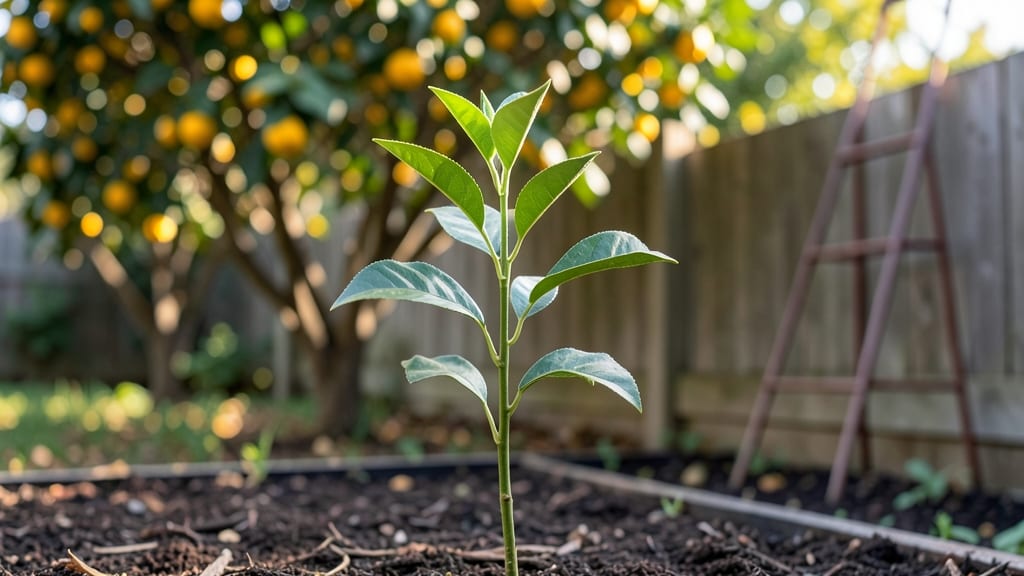
When your seedlings' leaves turn orange, don't panic—this is your garden's secret weapon. 🌱 Those vibrant citrus hues aren't just a warning sign; they're nature's way of telling you it's time to adjust care.
I've seen this happen with my own seedlings, and with the right approach, you can turn this yellow-orange signal into stronger, healthier plants.
The most common culprits are nitrogen deficiency, overwatering, or fungal stress—all fixable with simple tweaks. A quick soil test or observing water drainage patterns will point you in the right direction.
I learned the hard way that seedlings need consistent moisture, not soggy roots, and a balanced fertilizer can work wonders in just a few days.
What you'll end up with are seedlings that bounce back with deep green leaves and sturdy stems. The key is acting fast—remove affected leaves, improve airflow, and adjust your watering routine. Within a week, you'll see the transformation from stressed to thriving.
This works for any seedling type, from tomatoes to herbs, and prevents future issues with proper spacing and disease-resistant varieties. Let's get those seedlings back on track!
Understanding Leaf Stress Triggers
When your orange seedling’s leaves start showing distress—yellowing, curling, or developing unsightly spots—it’s often a cry for help from the plant itself. But what’s really causing those orange seedling leaves to react this way?
The answer lies in a mix of environmental stressors, biological threats, and even cultural mishaps. Let’s break down the most common culprits and why they trigger these symptoms.
Orange seedlings thrive in warm climates, but extreme or sudden temperature swings can send their leaves into overdrive. Here’s how heat and cold play a role:
- Heat Stress: Temperatures above 90°F (32°C) can scorch leaves, causing them to yellow or brown at the edges. High heat also speeds up transpiration (water loss), leaving leaves crispy and brittle. 🌞
- Cold Damage: Frost or chilly nights below 50°F (10°C) disrupt cell membranes, leading to water-soaked spots or blackened tissue. Young seedlings are especially vulnerable because their root systems can’t yet regulate moisture efficiently.
- Diurnal Shifts: Large temperature swings (e.g., hot days and freezing nights) confuse the plant’s metabolic processes, leading to oxidative stress—a buildup of harmful free radicals that damage chlorophyll.
Actionable Fix: Use shade cloth (30-50% coverage) during peak sun and move seedlings to a sheltered spot if nighttime temps drop. Mulch the soil to insulate roots and maintain even moisture.
While orange seedlings need consistent moisture, too much water is a silent killer. Here’s why soggy soil turns leaves into a sad, wilted mess:
- Oxygen Deprivation: Waterlogged soil cuts off oxygen to roots, triggering anaerobic respiration. Roots switch to fermenting sugars for energy, producing toxic byproducts like ethanol that travel up to the leaves, causing yellowing or browning.
- Fungal Invaders: Excess moisture invites Phytophthora and Pythium fungi, which clog root tissues and block nutrient uptake. Leaves respond with chlorosis (loss of green pigment) and stunted growth.
- Nutrient Leaching: Overwatering flushes essential minerals (like nitrogen and potassium) out of the root zone, leaving leaves weak and prone to spotting.
Actionable Fix: Let the top 1-2 inches of soil dry between waterings and ensure pots have drainage holes. Amend heavy clay soil with perlite or sand to improve aeration.
Orange seedlings are magnets for pathogens, especially in humid or crowded conditions. These microbes don’t just attack leaves—they hijack the plant’s entire system:
| Pathogen | Symptoms on Leaves | Why It Happens |
|---|---|---|
| Alternaria (Leaf Spot) | Dark, concentric rings or tan spots with black centers | Fungal spores thrive in high humidity (70%+) and splash onto leaves during watering. The fungus secretes cellulase enzymes that break down leaf tissue. |
| Xanthomonas (Bacterial Spot) | Water-soaked spots that turn yellow/brown with greasy edges | Bacteria enter through wounds (e.g., pruning cuts) and multiply in wet foliage. They produce toxins that disrupt the plant’s photosynthetic pathways, causing leaf death. |
| Powdery Mildew | White, powdery patches (especially on undersides) | Fungal spores germinate in poor air circulation and create a suffocating film that blocks sunlight. The plant’s immune response triggers leaf curling to limit damage. |
Actionable Fix: Space seedlings for airflow, water at soil level (not overhead), and apply copper fungicide or neem oil preventatively. Remove infected leaves immediately to stop spore spread.
Tiny pests like aphids, spider mites, and scale insects don’t just nibble—they drain nutrients and inject toxins that warp leaves. Here’s the science behind their sabotage:
- Sap Extraction: Pests like aphids insert stylets into leaf veins, sucking out phloem sap (rich in sugars and amino acids). This disrupts the plant’s source-sink relationship, causing leaves to yellow or develop sticky honeydew residue.
- Toxin Injection: Some pests (e.g., whiteflies) inject salivary enzymes that trigger phytoalexins—chemicals that cause leaf curling or silvering as a defense mechanism.
- Secondary Infections: Honeydew attracts sooty mold, a fungus that coats leaves in black, inhibiting photosynthesis and stunting growth.
Actionable Fix: Blast pests off with a strong stream of water or introduce beneficial insects (like ladybugs). Use insecticidal soap for severe infestations, but avoid harsh chemicals that harm seedlings.
Orange seedlings are heavy feeders, and imbalances in the soil can turn leaves into a nutritional red flag. Here’s what specific deficiencies or excesses trigger:
| Nutrient Issue | Leaf Symptoms | Why It Happens |
|---|---|---|
| Nitrogen (N) Deficiency | Pale yellow leaves (starting at tips), stunted growth | Nitrogen is critical for chlorophyll production. Without it, leaves can’t synthesize enough protein, leading to chlorosis. |
| Potassium (K) Deficiency | Yellowing edges (scorching), weak stems | Potassium regulates osmotic balance and stress responses. A lack of it causes cells to lose water rapidly, mimicking drought stress. |
| Magnesium (Mg) Deficiency | Interveinal yellowing (between veins) | Magnesium is the central atom in chlorophyll. Deficiencies disrupt photosynthesis, starting in older leaves first. |
| Iron (Fe) Deficiency | Uniform yellowing (no green veins) | Iron helps produce cytochromes in mitochondria. Without it, leaves can’t use sunlight efficiently, even if soil has iron (often due to high pH locking it out). |
| Salt Toxicity | Brown, crispy edges; leaf drop | Excess salts (from tap water, fertilizers, or poor soil) disrupt
Reviving your seedlings naturallyWhen your young plants start showing signs of distress—like those telltale orange-tinged leaves—don’t panic! With the right approach, you can nurse them back to health and even prevent future issues. Below, we’ve broken down practical, garden-friendly solutions tailored to the most common causes, from overwatering to pest invasions. Each fix is designed to be easy to implement, even for beginner gardeners. Symptoms: Yellow-orange leaves, mushy stems, or soil that stays soggy for days. How to Fix It:
A drip irrigation system or spray bottle (for delicate seedlings) can help control moisture. - Avoid overhead watering, which can lead to fungal issues.
Use a well-draining potting mix (like a 50/50 blend of peat moss and perlite).
Symptoms: Orange-yellow leaves with green veins (often on older leaves) or stunted growth. How to Fix It:
Avoid overdoing it—seedlings are sensitive! - For magnesium issues: Sprinkle Epsom salt (1 tbsp per gallon of water) every 2 weeks. Pro tip: 💡 Avoid direct contact with leaves to prevent burns. - For salt buildup: Flush the soil with distilled water or rainwater to leach out excess minerals.
Symptoms: Sticky residue, tiny webs, or leaves curling with orange speckles. How to Fix It:
Spray every 5–7 days until pests vanish. Pro tip: ✨ Shake well before each use—oil separates! - Insecticidal soap: Spray directly on pests (avoid flowers if possible). - Beneficial insects: Release ladybugs or lacewings to eat aphids naturally.
Symptoms: Orange-brown edges, wilting, or leaves curling upward. How to Fix It:
Use grow lights if natural light is weak. - 🔄 Rotate Pots: Turn seedlings quarter-turn daily to prevent leaning and uneven growth. - 🚫 Avoid Crowding: Space seedlings 2–3 inches apart to improve airflow and reduce disease risk. Final Thought: 🌟 Orange leaves are your seedlings’ way of saying “Help me!”—but with these fixes, they’ll bounce back stronger. Act fast for mild cases, and adjust habits to keep future batches thriving. Happy gardening! Frequently asked questions
1
Why are my young citrus tree leaves turning orange instead of green?Orange-tinged leaves usually signal stress from nutrient deficiencies (like nitrogen or magnesium), overwatering causing root rot, or environmental factors such as extreme heat or poor drainage. Check soil moisture first—let the top 1-2 inches dry out between waterings. A quick soil test can confirm if minerals are lacking.
2
Can I save seedlings with orange leaves before they're too far gone?Yes! Act fast by adjusting care: reduce watering if soil is soggy, move to partial shade if leaves are scorched, and apply diluted fertilizer (like compost tea) if nutrient-deficient. Prune severely damaged leaves to redirect energy to healthy growth. Most seedlings recover within 1-2 weeks with proper adjustments.
3
Is it safe to use Epsom salt on seedlings with orange leaves?Epsom salt (magnesium sulfate) can help if leaves show interveinal orange-yellowing, but use it sparingly. Mix 1 teaspoon per gallon of water and apply to soil—not leaves—to avoid burns. Test soil first: if pH is above 7.0, magnesium becomes less available. Water thoroughly after application to prevent salt buildup.
4
How do I prevent orange leaves in future seedling batches?Start with well-draining soil (mix compost with perlite), use pots with drainage holes, and water consistently—never letting soil dry out completely or stay soggy. Provide 12-16 hours of light daily (grow lights help) and avoid overcrowding. A balanced starter fertilizer (like 5-5-5) applied at half-strength prevents nutrient stress.
5
Could pests be causing my seedlings' leaves to turn orange?Yes! Tiny pests like aphids or spider mites drain nutrients, causing leaves to yellow-orange. Check leaf undersides for webs or sticky residue (honeydew). Treat with neem oil spray (1 tsp oil + 1 tsp soap per quart of water) or introduce beneficial insects like ladybugs. Act within 3-5 days to prevent spread. |